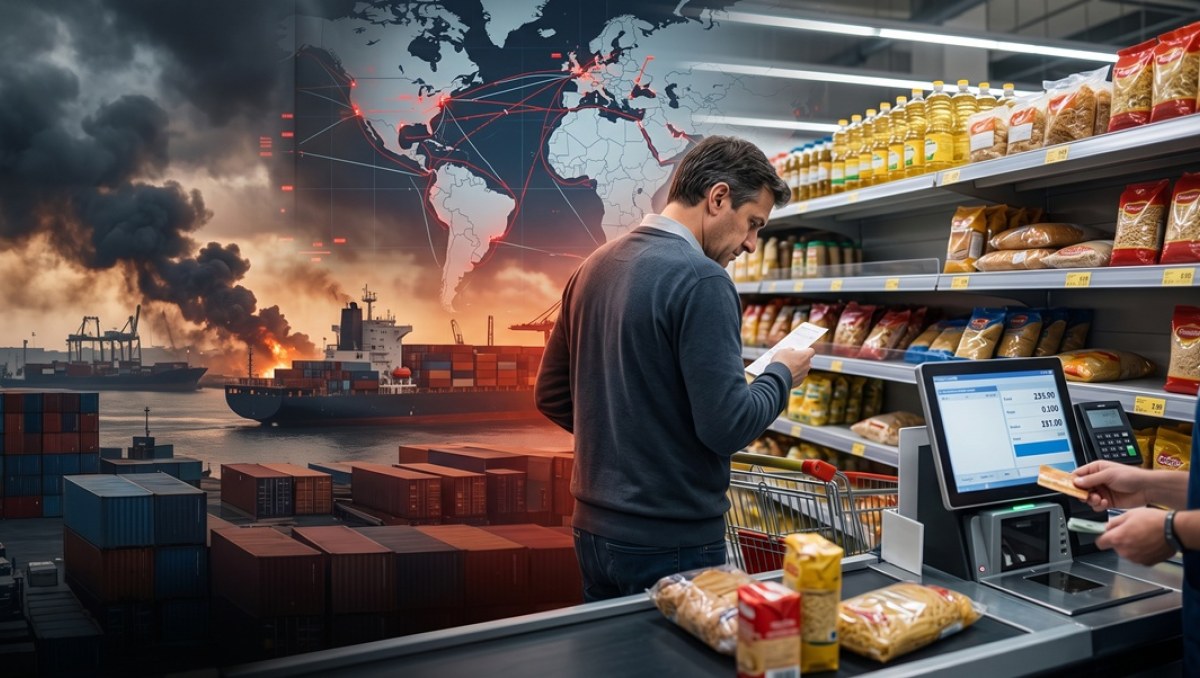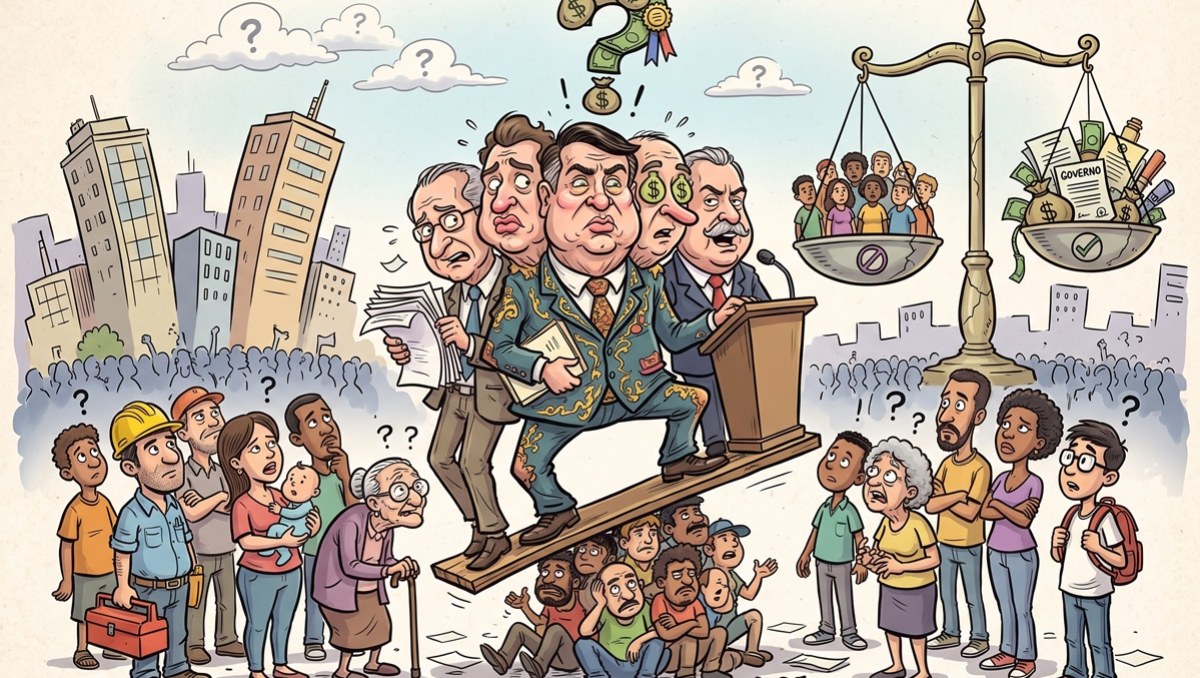
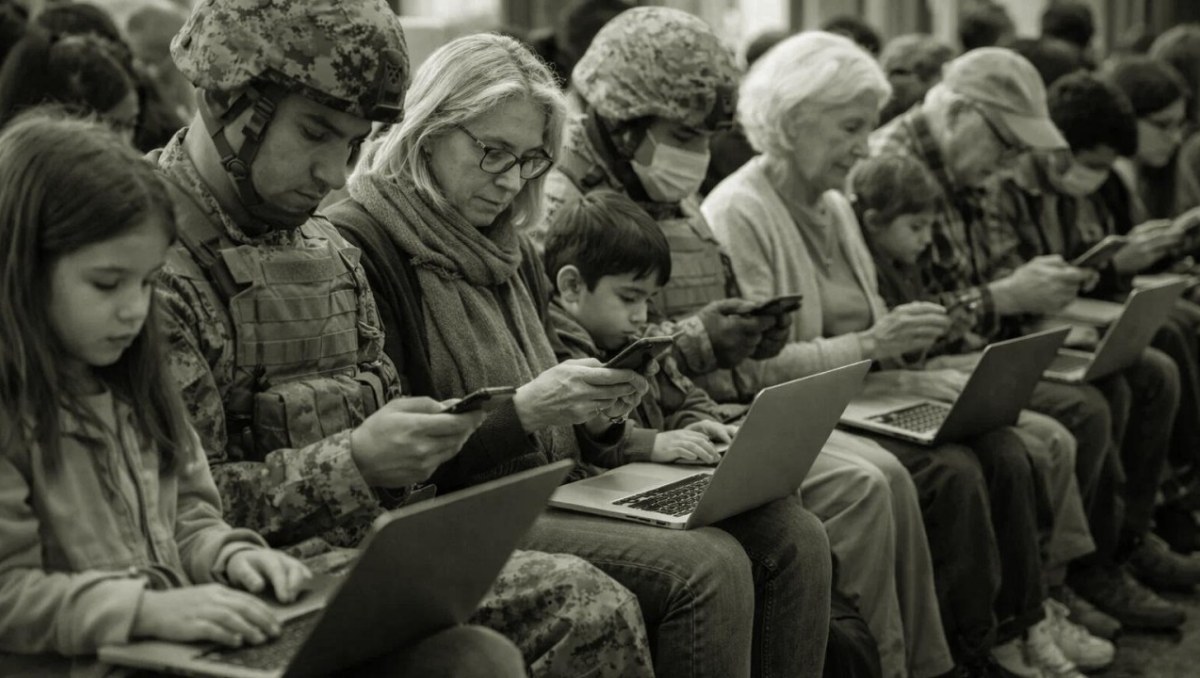
We are not at war with tanks in the streets or aircraft in the sky. The war of our time is quieter, more sophisticated and, precisely because of that, more dangerous. It happens on screens, in headlines, in algorithms and, above all, in people's minds.
In this war, truth is not the main objective. The target is perception. Whoever controls the narrative controls emotions, political decisions, social behaviors and even entire economies. It is not just about isolated fake news, but a continuous system of manipulation that mixes real facts, calculated distortions, strategic omissions and lies repeated until they seem like truths.
Information has ceased to be merely a right and has become a weapon. Governments, corporations, ideological groups and even organized individuals compete for attention as if they were competing for territory. Likes, shares and engagement have replaced ammunition. The battlefield is the feed. The soldier is the ordinary user, often unaware that he is fighting for causes he does not fully understand.
The greatest triumph of this war is making the citizen believe that he arrived at his conclusions on his own. When, in fact, he was led by biased headlines, clipped videos, statistics out of context and emotionally charged speeches. Reason gives way to reaction. Debate gives way to attack. Critical thinking becomes the enemy.


The press, which should function as a barrier against misinformation, also finds itself under pressure. The logic of speed and clicks often overrides fact-checking. Serious journalism resists, but competes with a massive volume of shallow, opinionated and sensationalist content. In this environment, doubt is exploited, polarization is stimulated and the complexity of facts is reduced to slogans.
The Information War does not seek to convince everyone. It is enough to confuse many. It is enough to divide. It is enough to exhaust. A disoriented society argues with itself while strategic decisions are made away from public view. When the population loses the ability to distinguish fact from opinion, criticism from attack and information from propaganda, democracy weakens.
Winning this war does not depend only on laws, platforms or technology. It depends on media literacy, responsible journalism and, above all, on citizens willing to distrust what they consume. Questioning the source, seeking context, comparing versions and resisting the temptation of the immediate answer become acts of resistance.
This war will not be won with censorship, but with intelligence. Not with shouts, but with arguments. Not with blind followers, but with attentive readers. In a world where everyone speaks at the same time, thinking has become a revolutionary act.