Artificial intelligence (AI) is gaining ground as a competitiveness tool in Brazilian agribusiness. From programs capable of analyzing large volumes of information to agents that automate tasks, AI tools are already being integrated into production, management, commercialization and decision-making in the field.
According to the research "The Reinvention of Brazilian Agribusiness," by PwC Brasil, 78% of sector CEOs intend to invest in integrating AI with technological platforms in the coming months, a percentage above the 69% recorded in the national average across other sectors. The action shows a shift in how field companies seek to respond to challenges of productivity, operational efficiency and adaptation to climate change.
According to executive Henrique Galvani, the data reveal that Brazilian agribusiness is paying increasing attention to new technologies, mainly in a scenario suffering from climate change and the need for continuous adaptation. "AI brings solutions that enable producers to face the challenges posed by these climate extremes and, at the same time, increase the resilience and sustainability of production".
According to Galvani, integrating AI is much more than process automation: it represents a new era of intelligence in resource use. This encompasses reduction of chemical inputs, water savings, minimization of harvest losses and notable improvements in logistics and storage.


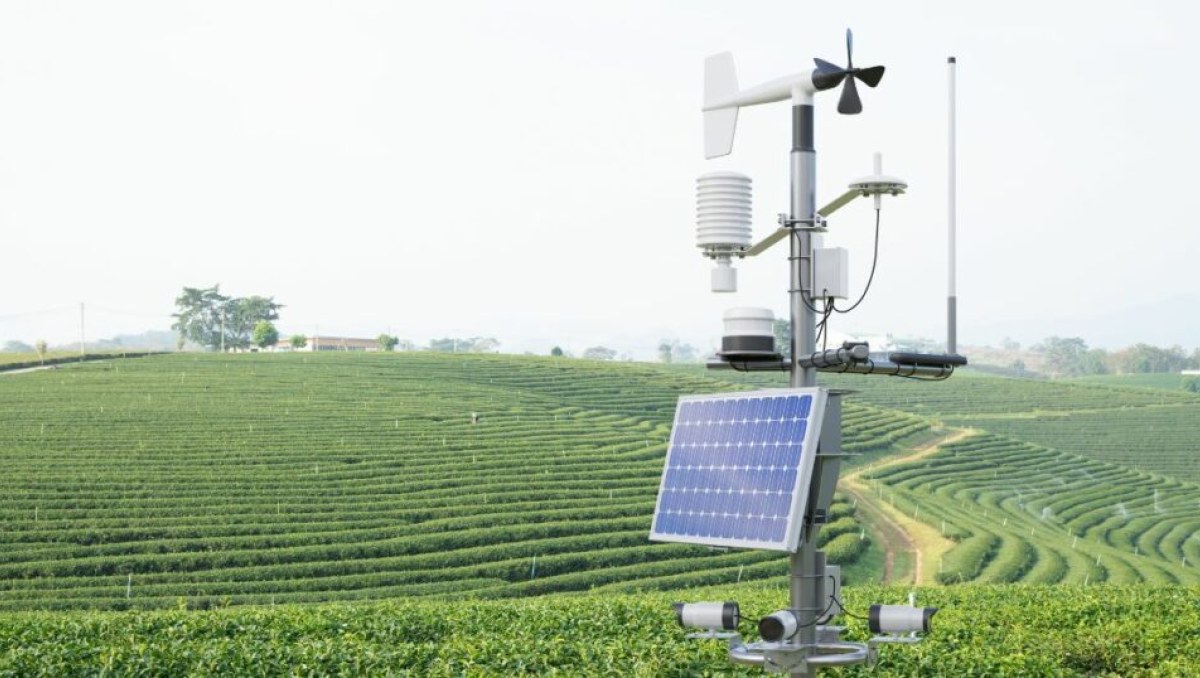
Furthermore, AI has been more widely used in climate intelligence platforms, with patterns that help producers and cooperatives anticipate climate risks and make data-driven decisions. Another planning application is the use of generative AI to create production scenarios and commodity pricing, support logistical planning and accelerate the development of new seeds and bioinputs.
The estimate of accelerated growth in the AI market and the constant adoption by industry leaders show that Brazilian agribusiness understands that technological innovation is no longer an alternative, but rather an indispensable competitive advantage. "Artificial Intelligence is no longer a distant trend. It is already a transformative reality that is shaping the future of agribusiness and preparing the sector for the challenges of a world in constant change," Galvani concludes.