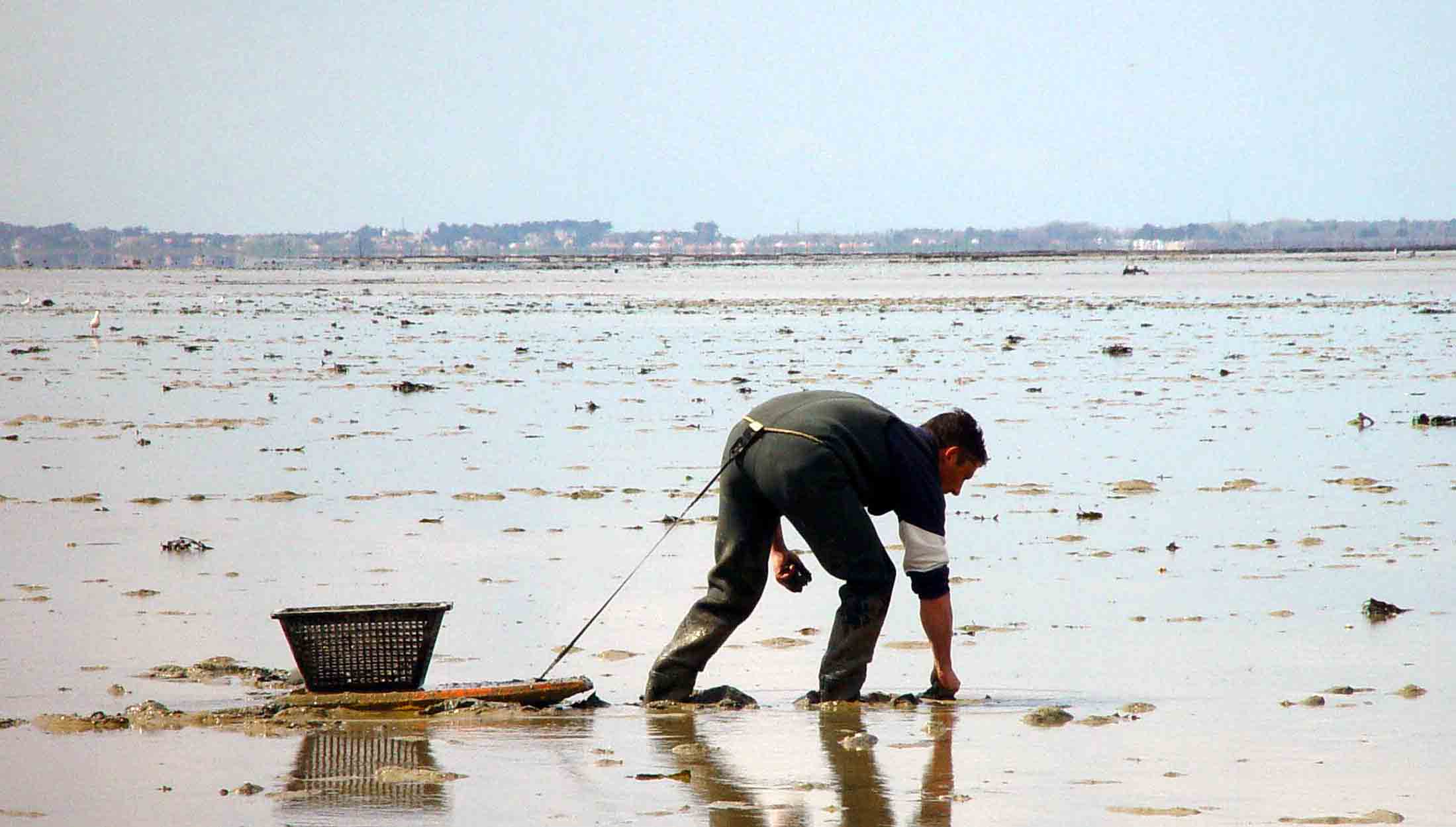

According to JN, a fisherman hired to collect clam samples from the Tagus River for contamination analysis is accused of having deceived IPMA for years, allowing the harvest of the bivalve to continue despite sanitary risks.
The same information indicates that analyses conducted as part of a criminal inquiry detected toxicity, heavy metals and bacteria dangerous to health, including Salmonella and E. coli. The case is said to have been associated with 348 hospitalizations in Portugal and other European countries.
According to the same information, part of the contaminated clams also entered the market as if it were clean product from the Sado Estuary, aggravating the scale of the case and raising serious doubts about control mechanisms, traceability and food safety in the bivalve sector.


This publication was generated from information from the original feed. Credits and reference to the source have been included at the end of the text.
Source: https://portaldomar.org/2026/03/15/ameijoa-contaminada-do-tejo-sob-suspeita-de-fraude-e-impacto-na-saude-publica/ ```