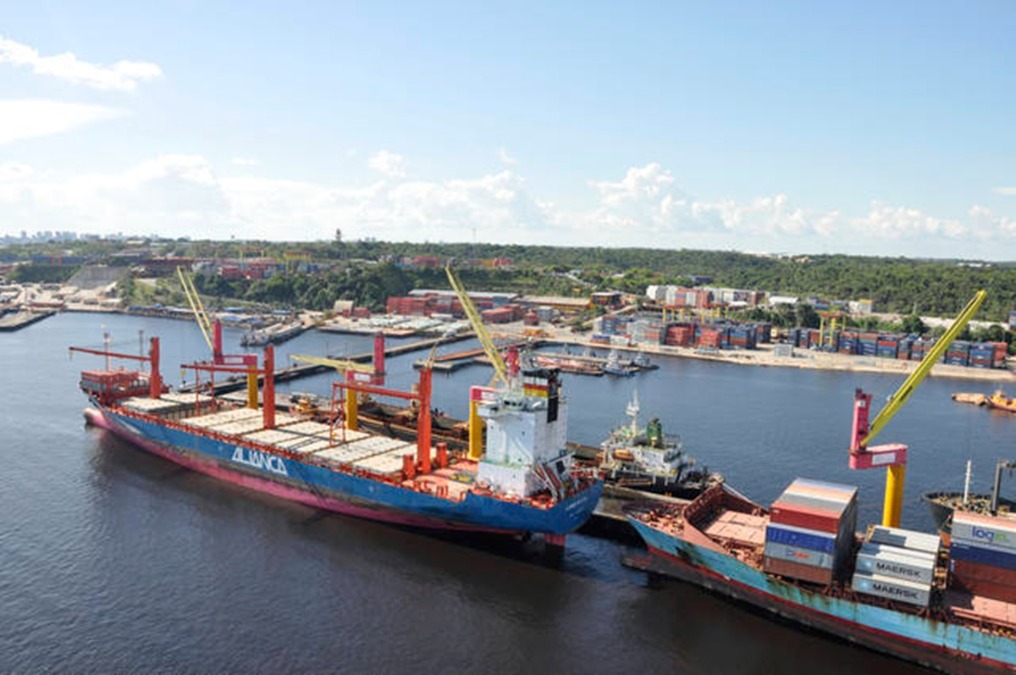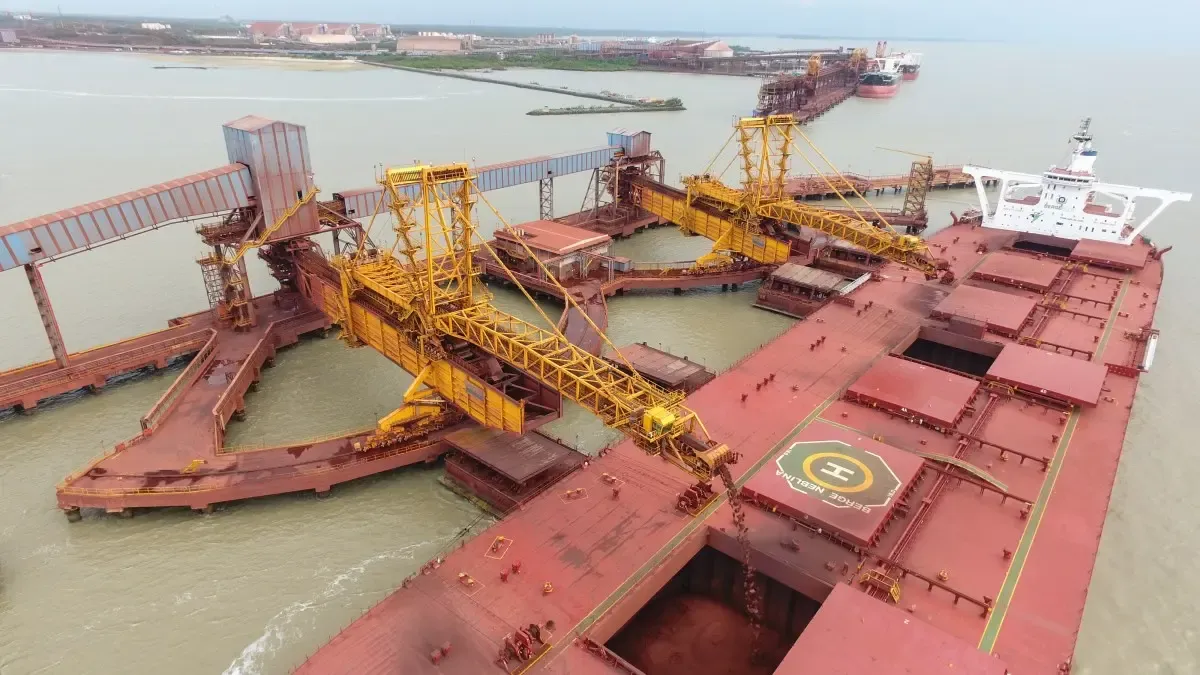
Brazil's so-called Northern Arc continues to gain traction as a logistics alternative for grain and mineral cargo exports, bringing together a robust portfolio of private investments that can reach R$ 46 billion. According to the director-general of the National Agency for Aquatic Transport (ANTAQ), Frederico Dias, the region already has 138 authorized Private-Use Terminals (TUPs).
The substantial volume of projects reflects the consolidation of the Northern Arc as a strategic route for Brazilian foreign trade, especially given the growth of agricultural production in the Center-West and expansion areas of the Amazon. In recent years, the region has come to compete for prominence with traditional ports in the South and Southeast.
Among recent ventures, the Novo Remanso Port Terminal stands out, located in Itacoatiara, which began operations in late 2025. The initiative is from Terminais Ageo, which points to the expansion potential of the Amazon logistics corridor as the main driver for the investment.
The expectation is that the terminal will handle around 3 million tons of cargo already this year, initially meeting a pent-up demand in the region. However, sustainable growth will depend directly on the evolution of production that uses the Amazon corridor for exports.
Another highlight is the movement on Santana Island, where new projects are in development. The multinational Louis Dreyfus Company maintains plans for a terminal with capacity of up to 9 million tons, as reported by the president of the Association of Private Port Terminals, Murillo Barbosa.


Despite the promising scenario, the accelerated pace of projects raises concerns about the economic viability of all authorized ventures. Frederico Dias warns that many terminals may be designed to compete for the same cargo, which could prevent them all from materializing.
In view of this, the Ministry of Ports and Airports has requested that ANTAQ conduct a detailed survey to assess real demand and avoid possible overcapacity. The concern is to ensure that investments result in effective infrastructure expansion, and not in idle projects or imbalanced competition.
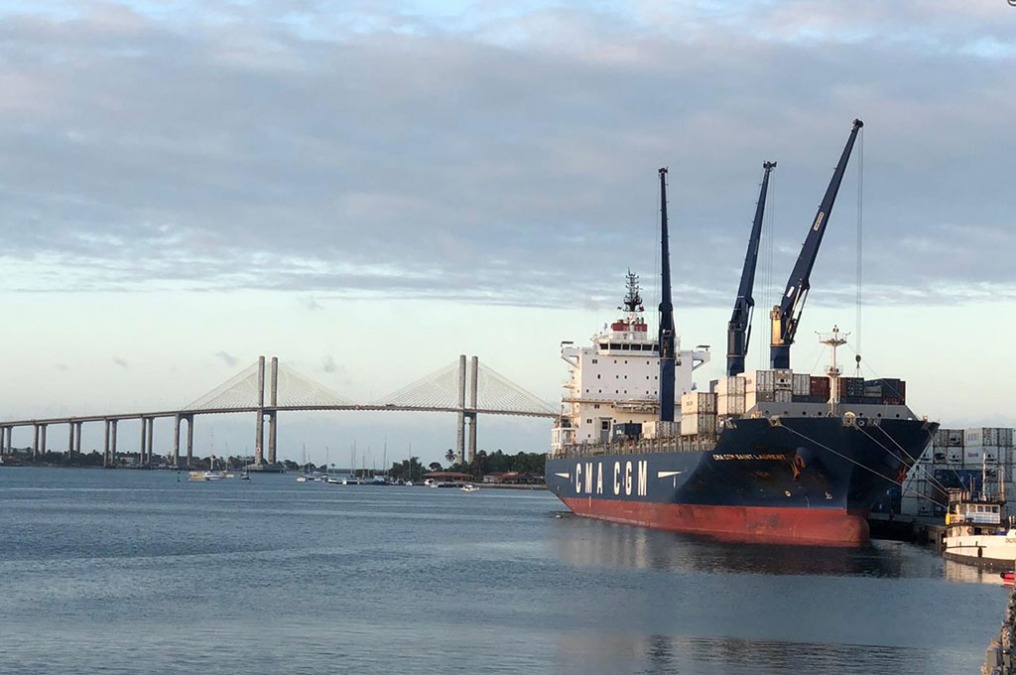
Beyond TUPs, the federal government is preparing a new round of port concessions in the region, including leases at organized ports such as Santana (AP), Vila do Conde (PA), Natal (RN), and Itaqui (MA), as well as studies at other Northeast terminals.
The scenario points to a decisive moment for the Northern Arc, which combines great logistics potential with structural and strategic challenges that should define the region's growth pace in the coming years.
```