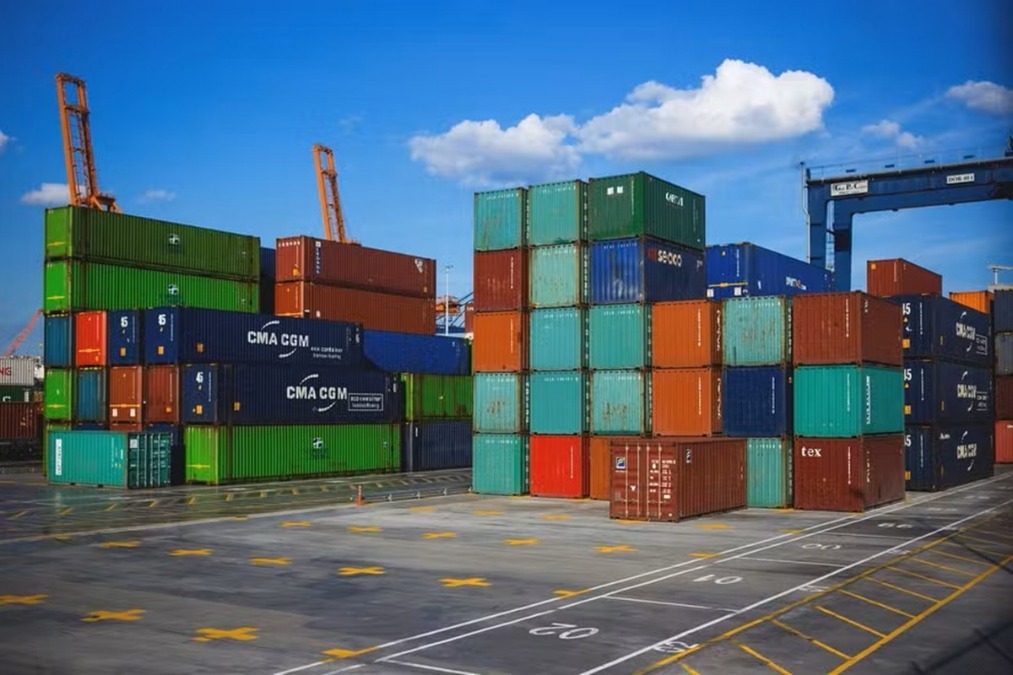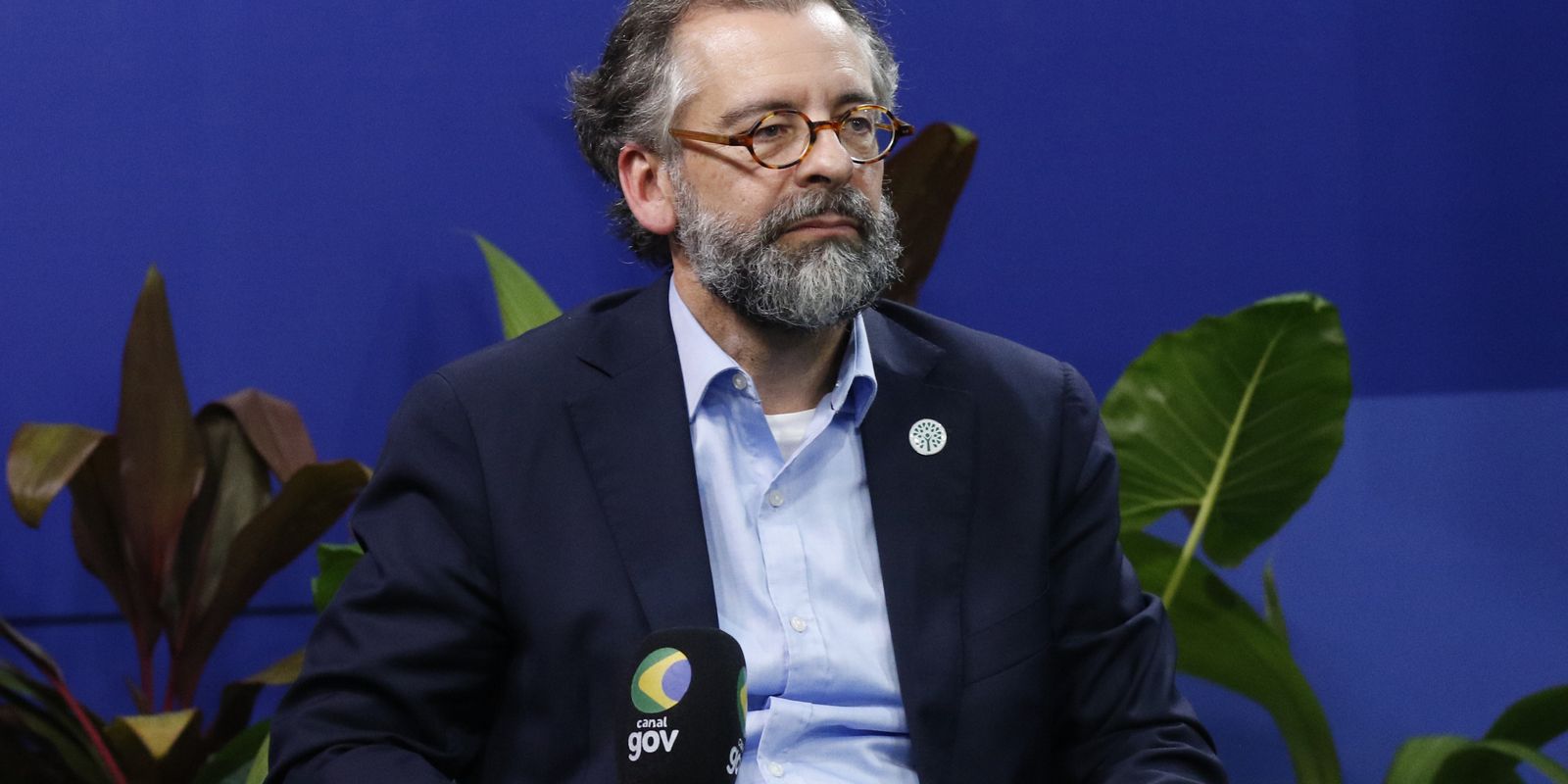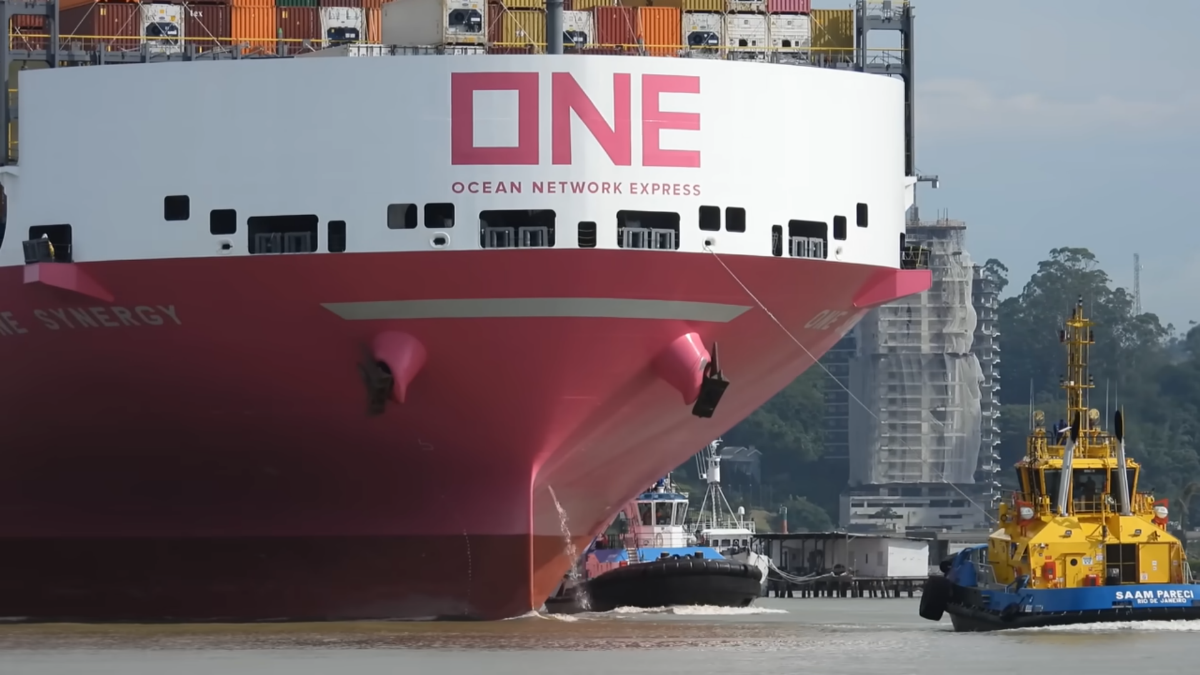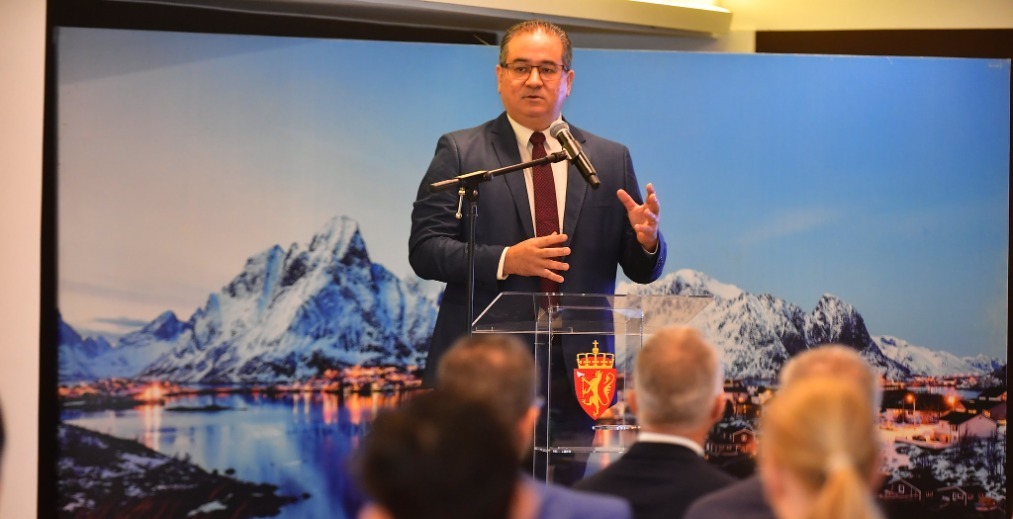
At an event at the Norwegian Embassy, representatives from the Ministry of Ports and Airports, the Norwegian and Dutch governments, and members of the productive sector participated, this Monday (25th), in the workshop "Decarbonized green corridors: charting a path," to discuss the implementation of a sustainable maritime corridor between Brazil and Europe. The proposal foresees the use of advanced technologies and low or zero-carbon fuels in vessels operating between the countries, significantly reducing greenhouse gas emissions in international maritime transport.
During the opening of the event, Tetsu Koike, director of Sectoral Policies Program, Planning and Innovation at the Ministry of Ports and Airports, highlighted the commitments made by Brazil in international forums such as G20, BRICS, and COP30 in favor of more sustainable logistics. He also stressed that the country already has regulatory and financial instruments capable of driving energy transition projects in the sector. "The issue is not investment or regulation, because we have that. The ideal is to ensure that vessels, ports and terminals that are part of a green corridor have priority in financing, which depends on coordination and political, institutional and technical decision," he stated.
Norway's Ambassador to Brazil, Kjetil Elsebutangen, reinforced the importance of international cooperation to address the challenges of maritime decarbonization. "We are developing joint studies to identify the greatest challenges. Beyond government partnership, we have built valuable cooperation between industries, companies, universities and research institutions, indispensable for advancing on this issue," he explained.
At the workshop, participants had access to a technical feasibility study that maps priority routes between Brazil and Europe. The survey also points to the economic possibility of using alternative fuels, such as biodiesel, ammonia and methanol, in the short, medium and long term.
Energy transition
At the governmental roundtable, Rafaela Gomes, general coordinator of Sustainability at the Ministry of Ports and Airports, highlighted the importance of integration among countries for the success of the gradual implementation of decarbonization and Brazil's role in the transition. "Green corridors can only prosper in an environment of cooperation and multilateralism. Brazil can become the global leader in the production and distribution of biofuels. We can see the country preparing itself increasingly, seeking political direction, we cannot return from this step we have taken. And our goal is to make our ports places that facilitate these sustainable corridors," she stressed.
Cristina Castro, director of the National Waterway Transport Agency (Antaq), highlighted the need to broaden awareness about the environmental and economic impacts of reducing carbon emissions. "People need to understand the importance of every ton of carbon not emitted, of every water resource preserved and of every biodiversity protected. Carbon emissions also represent loss of resources and money for society as a whole," she noted.


The program that started in Brasília continues this Tuesday (26th) and Wednesday (27th), with a technical visit to Santos Port, in São Paulo. The international delegation will get to know initiatives related to energy transition, sustainable fuels and decarbonization of port and maritime operations, including visits to terminals and the navigation channel. "The goal is to present to the Norwegian delegation all of Brazil's potential for implementing a decarbonized corridor between Brazil and Europe," explains Rafaela Gomes.
Trilateral cooperation
The partnership between Brazil and Norway for the development of sustainable maritime corridors began with the signing of a memorandum of understanding at the beginning of 2025, at the Ministry of Ports and Airports. Since then, technical teams from both countries have held monthly meetings for analysis of feasibility studies and definition of possible routes. Recently, the Netherlands joined the discussions, consolidating an unprecedented trilateral cooperation aimed at implementing a decarbonized maritime corridor between Brazil and Europe.
Also participating in the meeting at the embassy were representatives from the Ministry of Environment and Climate Change and the Ministry of Foreign Affairs, Petrobras and companies from the productive sector in Brazil and Norway.
Special Office of Social Communication
Ministry of Ports and Airports