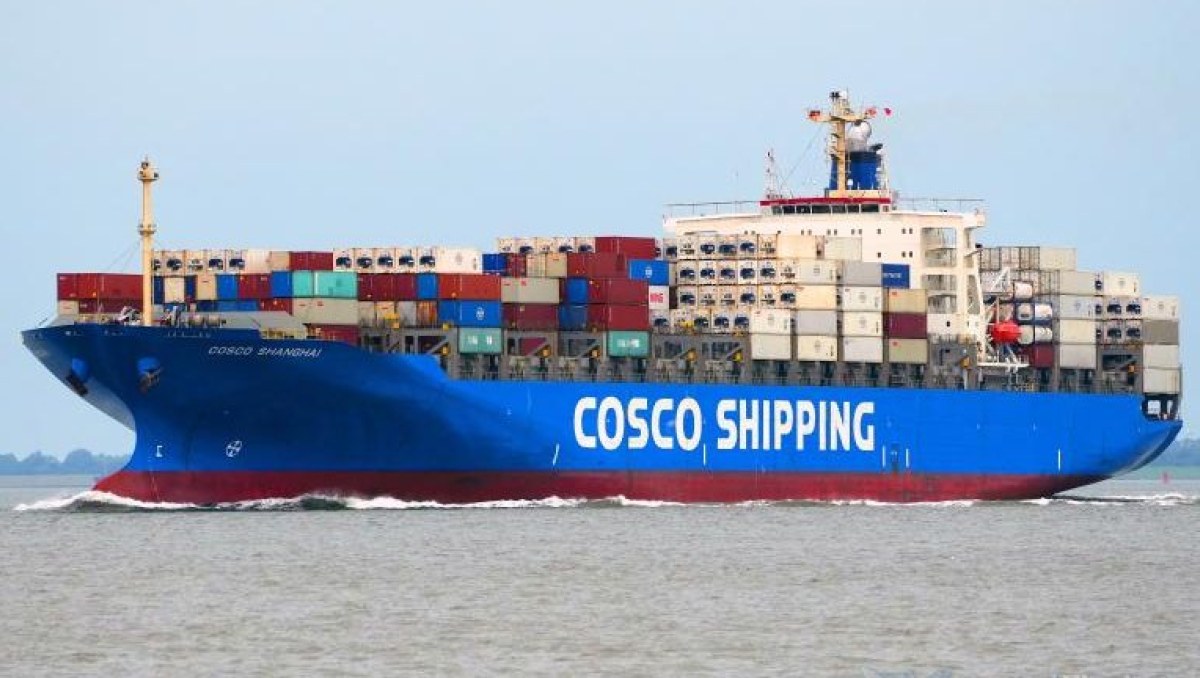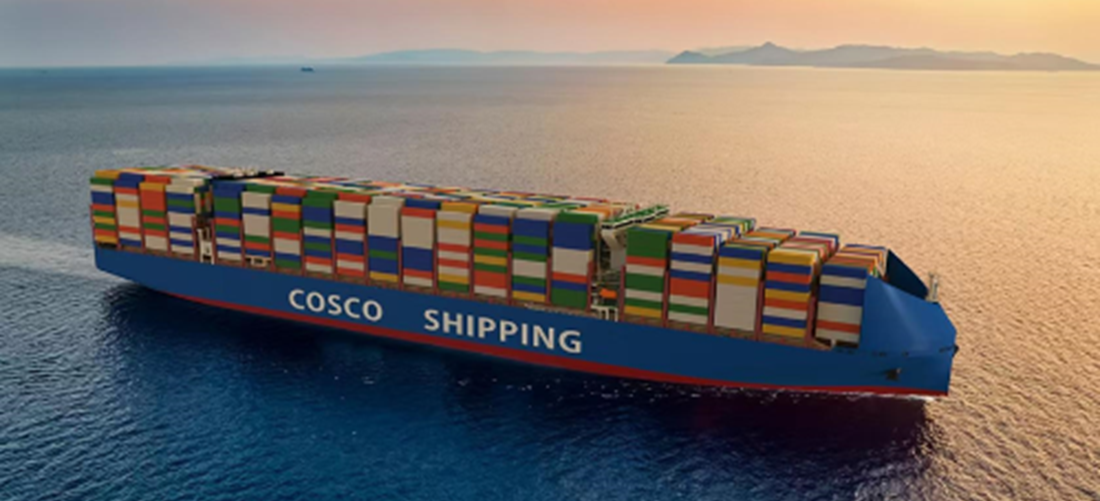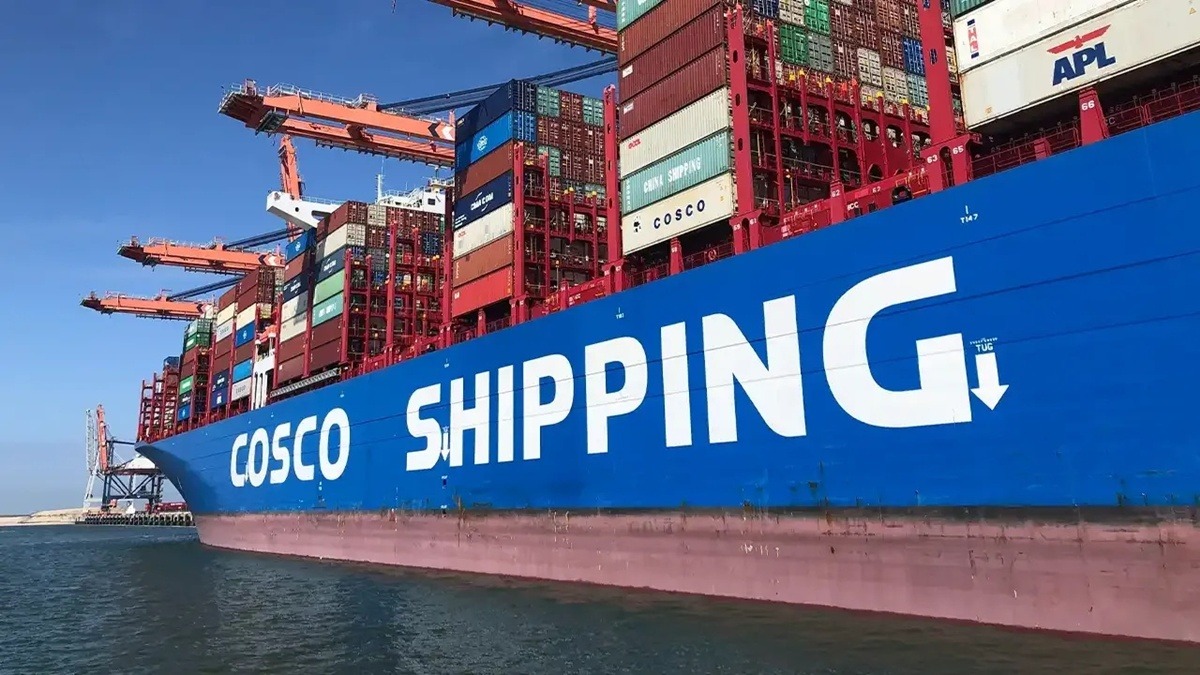
Cosco Shipping Lines has announced a complete update of 14 transpacific services operated to the United States, in a strategic move aimed at expanding logistical efficiency and strengthening maritime connections between the Far East and the U.S. West Coast.
According to the Chinese company, the restructuring seeks to optimize routes, broaden operational coverage, and offer greater stability in maritime services on one of the world's most important commercial corridors.
The new plan includes operational integration between Cosco and Orient Overseas Container Lines (OOCL), consolidating a joint strategy to increase competitiveness, efficiency, and service delivery capacity to the international market.
According to the company, the updates encompass 14 direct transpacific routes, ten targeting the Far East market with connections to the southwestern United States and four others directed to the northwestern American region.
Among the main differentials announced are the expansion of direct calls at strategic ports, the use of Yantian Port as an important operational hub, and the creation of express routes targeting international e-commerce.


Cosco stated that the new services should offer transit times between 12 and 14 days for e-commerce operations, seeking to meet growing demand for faster, more flexible and reliable logistical solutions between China and the United States.
Another highlight is the adoption of an independent operating model between the two brands, allowing greater operational flexibility without losing strategic integration between the companies.
The move occurs amid a scenario of reorganization of global supply chains and increased competitiveness in international maritime transport, especially on transpacific routes, considered essential for global container trade.
Industry experts assess that the modernization of routes can further strengthen Cosco's position in the international market, mainly in light of accelerated e-commerce growth and the need for greater logistical predictability between Asia and North America.
```