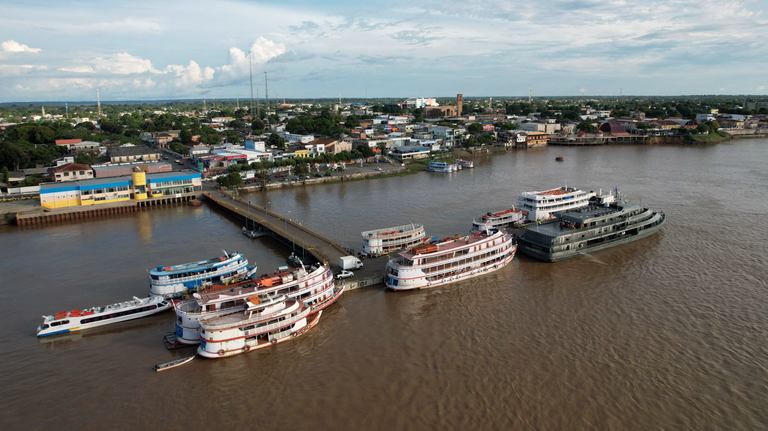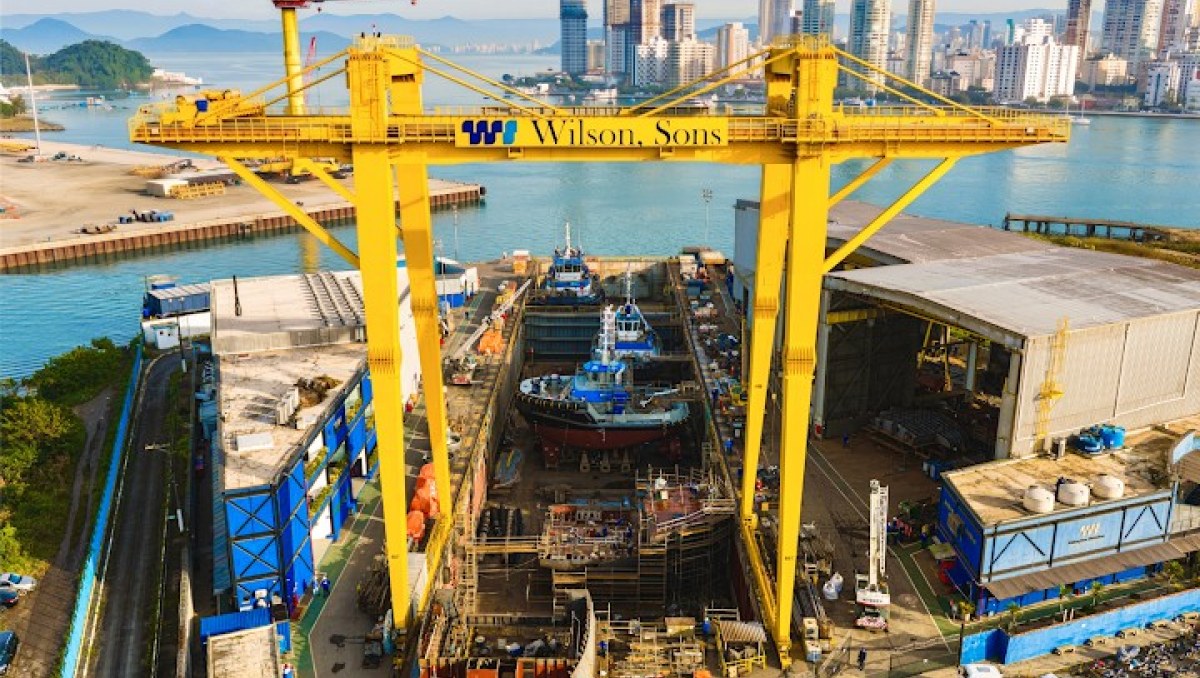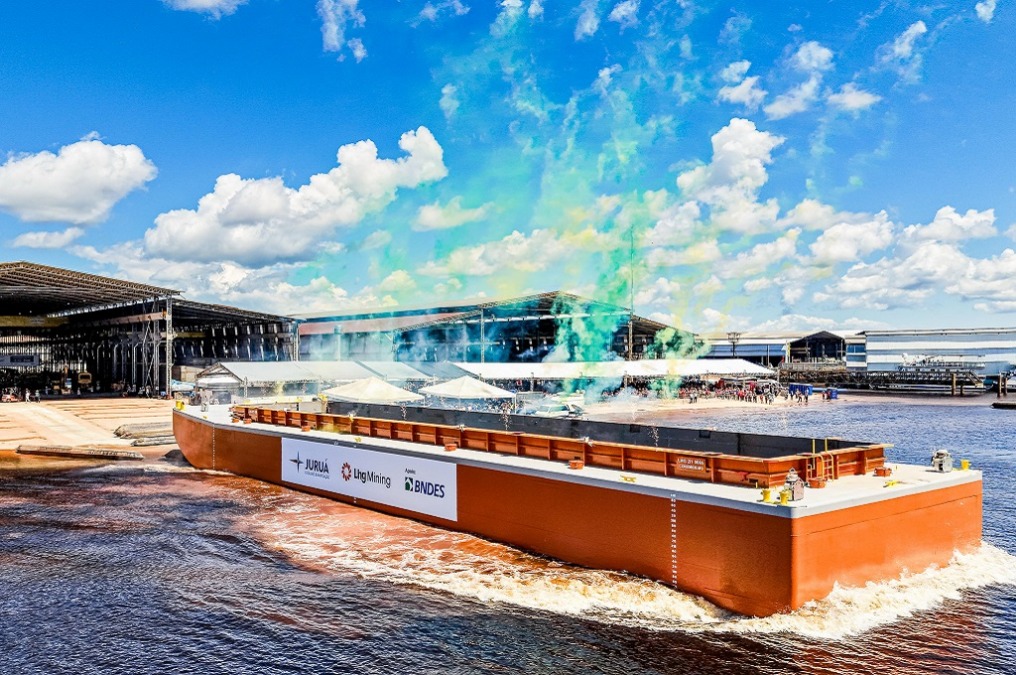
Juruá Shipyard, located in Iranduba, in the metropolitan region of Manaus (AM), launched a new barge into the river this week destined for mineral transport for Lhg Mining, a company belonging to the J&F group. The vessel is part of one of the largest inland waterway transport projects currently under development in the country.
The ceremony was attended by the President of the Republic, Luiz Inácio Lula da Silva, who witnessed the launch during an official agenda carried out in the Amazon.
The project, valued at R$ 3.2 billion, provides for the construction of 400 barges and eight pushboat tugs intended for the transport of iron ore and manganese along the Paraguay-Paraná Waterway. The initiative is financed by the Merchant Marine Fund (FMM), one of the main instruments of support for the Brazilian shipbuilding industry.
According to the National Bank for Economic and Social Development (BNDES), responsible for managing FMM resources, R$ 230 million was released for Juruá Shipyard. The company has already delivered 27 of the 128 barges under its responsibility and maintains another 51 units under construction.


The bank also reported that, considering all shipyards involved in the project, 72 vessels have already been delivered and are in operation. Additionally, another 98 barges and six pushboat tugs are under construction at shipyards in the North and Northeast regions, with completion expected over the next four years.
The logistics infrastructure will be used for the evacuation of mineral production extracted in Corumbá, in Mato Grosso do Sul. The cargo will travel approximately 2,500 kilometers along the Paraguay and Paraná rivers to the maritime terminal of Nueva Palmira, in Uruguay, where it will be transferred to deep-sea vessels destined for the international market.
The enterprise is considered strategic for enhancing the competitiveness of Brazilian mineral exports, reducing logistics costs and strengthening the use of waterways as a sustainable alternative for the transport of large volumes of cargo.
Beyond economic benefits, the project represents an important boost for the national shipbuilding industry, generating jobs, mobilizing Brazilian shipyards and strengthening the production chain linked to the construction of vessels for inland waterway transport.