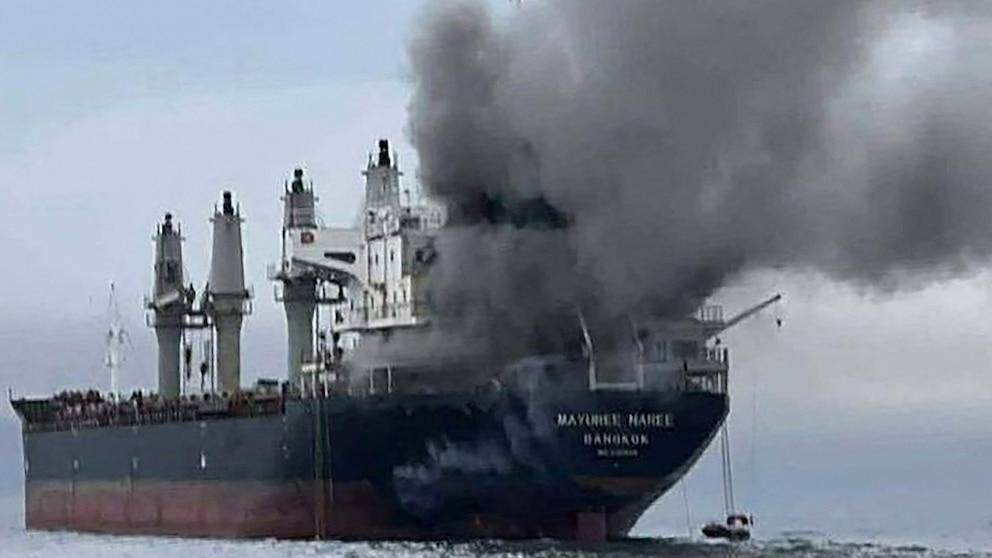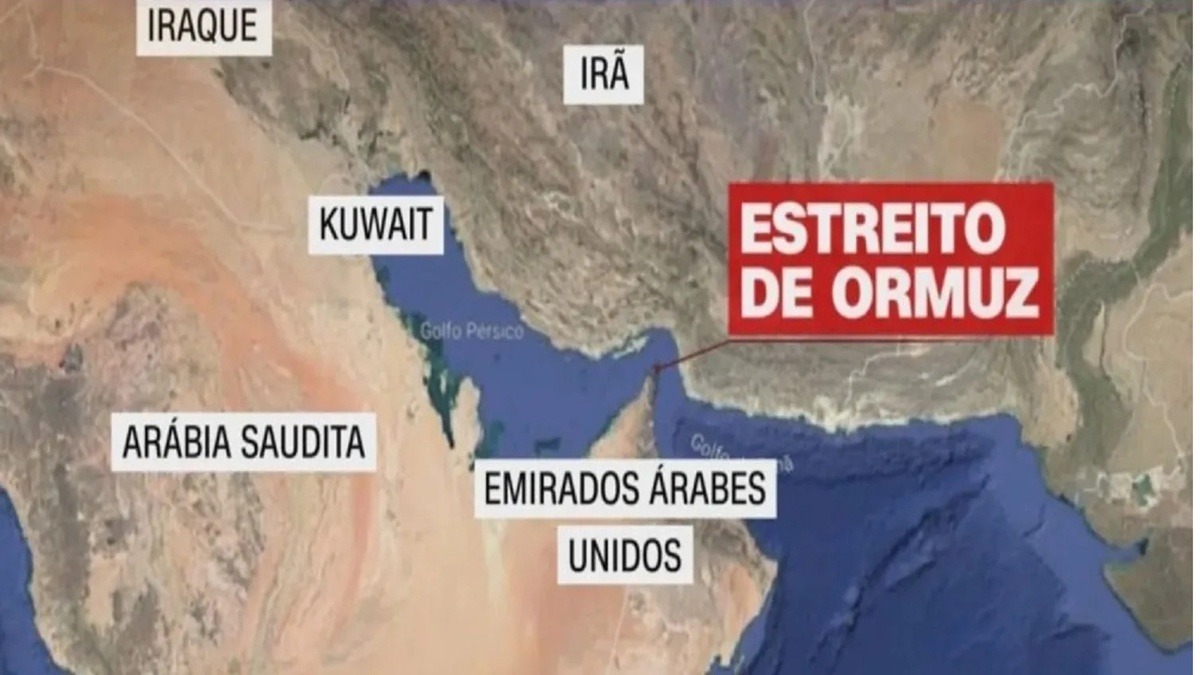
The escalation of attacks against commercial vessels in the Strait of Hormuz is heightening concerns about the safety of international shipping and the continuity of maritime transport on one of the world's major energy routes. The sinking of the container ship GFS Pride and the bulk carrier Cape Dao demonstrate that risks are no longer confined to ships carrying oil and oil products.
Both incidents occurred amid intensifying hostilities in the region, where commercial vessels have come to face threats during maritime transit. The occurrences were reported by maritime authorities and international news outlets, including Reuters and Naval Power.
GFS Pride sinks following attack during transit
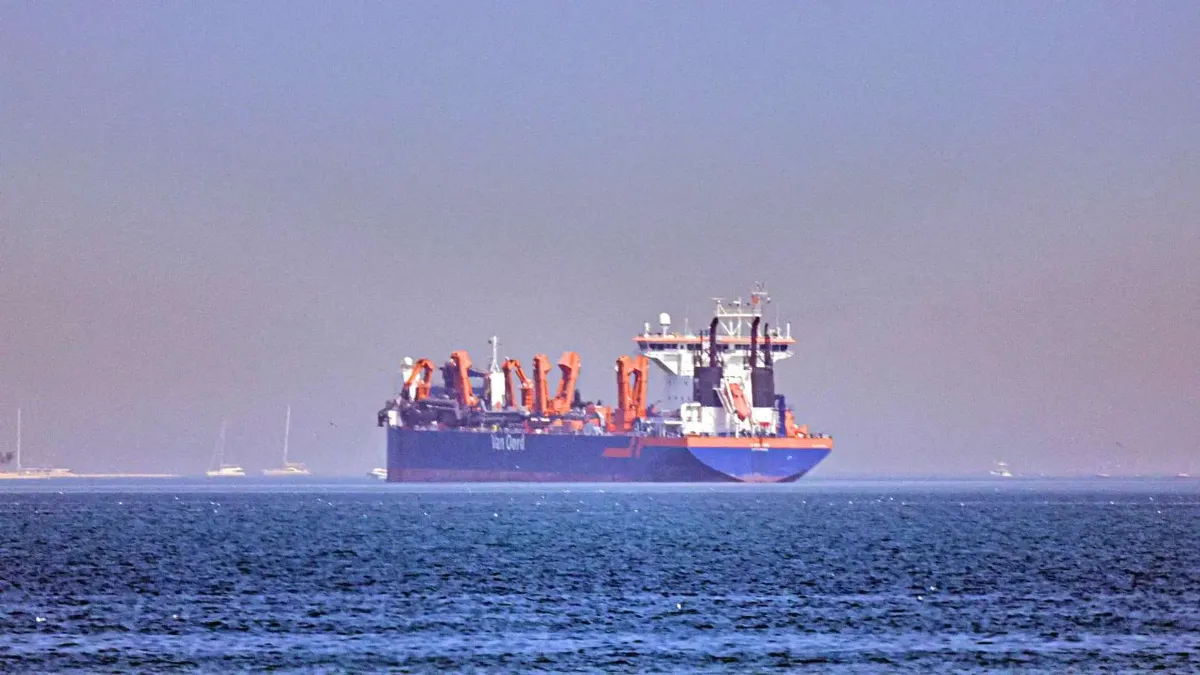
The container ship GFS Pride, flying the Singapore flag, sank after being struck by a projectile of unidentified origin on October 13, during passage through the Strait of Hormuz.
According to Singapore's Maritime and Port Authority, the impact caused damage and a fire aboard. The 21 crew members were safely evacuated, with no reported injuries.
The attribution and circumstances of the attack remain subject to information disclosed by the various authorities involved. While Iran attributed the sinking to contact with a naval mine, Singapore's statement described the impact of an unidentified projectile.
The distinction is relevant to the assessment of navigation risks, since different types of threat require specific measures for prevention, monitoring and protection of vessels.
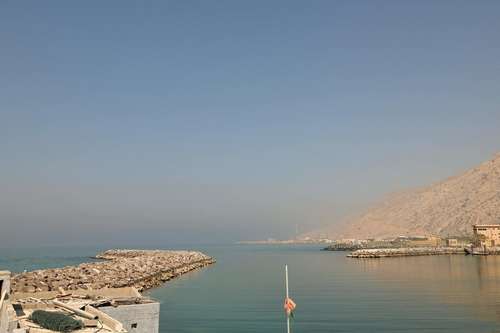
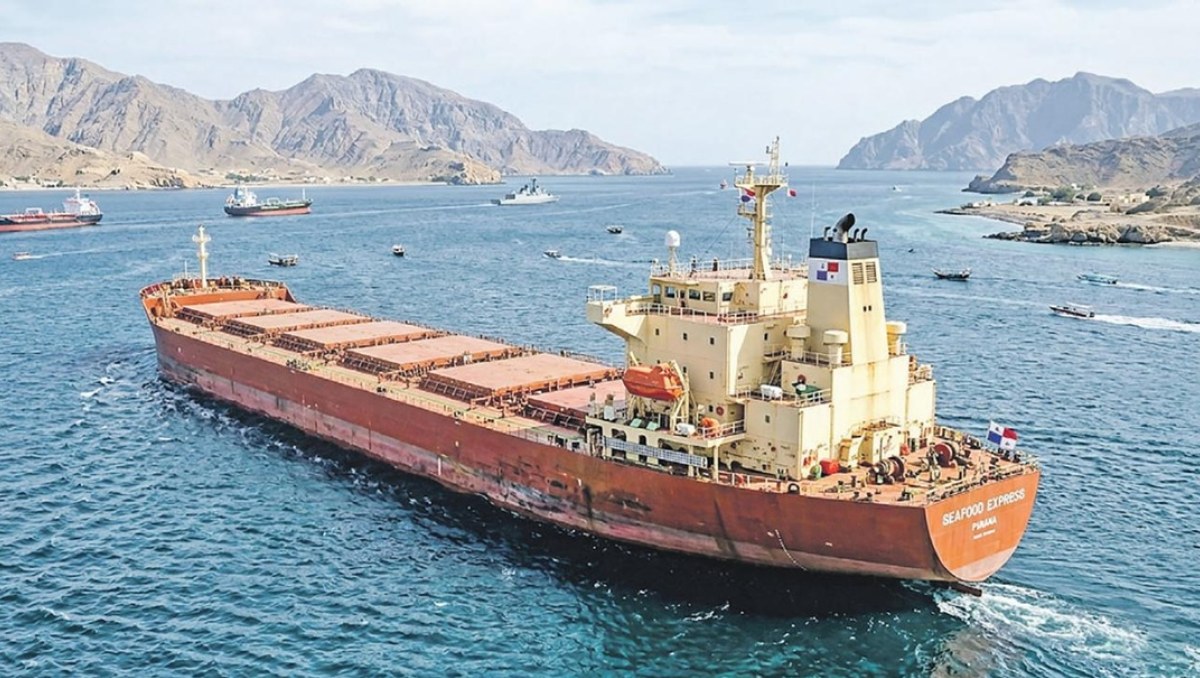
Another case involves the Cape Dao, a bulk carrier flying the flag of Antigua and Barbuda. The vessel was struck near Khasab, in Oman, on September 23. One crew member died, while the others were evacuated.

Reuters later reported the sinking of the vessel. However, the International Maritime Organization (IMO) record consulted by Naval Power classified the occurrence as a partial sinking, recommending caution regarding the final condition of the vessel.
The incident underscores the severity of the risks faced by ships carrying bulk cargo, in addition to the container ships and tankers involved in recent incidents.
Impacts on maritime transport and international commerce
The Strait of Hormuz has strategic importance for global flows of oil and liquefied natural gas. The intensification of attacks may prompt changes in the decisions of shipowners, operators, insurers and charterers, who must assess the risks associated with transit through the region.
Among the possible operational effects are:
-
Crew safety: increased exposure of seafarers to attacks, fires, evacuations and rescue operations.
-
Vessel availability: damaged or lost ships fail to meet commercial schedules, requiring adjustments to available capacity.
-
Logistics costs: heightened risk perception may drive up insurance costs, transport costs and salvage operations.
-
Maritime scheduling: route changes and decisions to avoid risk areas may affect port calls, delivery times and voyage planning.
-
Supply chains: delays and uncertainties in the transport of energy and goods may have repercussions on international markets.
These effects depend on the evolution of the conflict, maritime conditions, and the decisions adopted by shipowners and authorities responsible for maritime safety.
On October 17, Iran's Revolutionary Guards reported that a supertanker, allegedly carrying more than two million barrels of oil, suffered an explosion after striking a naval mine during transit through Hormuz.
As of the publication of the information consulted, there was insufficient independent confirmation regarding the identity of the vessel, the cause of the explosion, or a possible sinking. Therefore, the incident should be treated as an allegation disclosed by Iranian authorities, and not as a confirmed maritime loss.
``` ```htmlThe difference between confirmed incidents and reports not yet verified is fundamental to gauge the situation and prevent preliminary information from being interpreted as established facts.
The sequence of occurrences places the protection of commercial navigation at the center of maritime sector concerns. For shipowners and logistics operators, risk assessment now involves not only cargo and asset integrity, but also crew safety and the ability to maintain operations in an environment of instability.
The evolution of the crisis in Hormuz will continue to influence maritime transit decisions, voyage planning, and risk management on international routes.
```