The United States government announced a proposal to apply an additional 25% tariff on various products imported from Brazil. The measure was presented following the conclusion of an investigation conducted by the Office of the U.S. Trade Representative (USTR), which identified alleged practices considered "unreasonable" and harmful to U.S. commercial interests.
The investigation was opened in July 2025 under Section 301 of the U.S. Trade Act, an instrument used by the American government to assess actions by countries that may represent barriers to trade or competitiveness for U.S. companies.
According to the final report, certain Brazilian policies related to digital commerce, environmental issues, and combating illegal deforestation were cited among the factors analyzed during the investigation. The document concluded that certain practices could restrict or burden U.S. trade, paving the way for the adoption of tariff measures.
The proposal provides for the application of a 25% tariff on a wide range of Brazilian products exported to the U.S. market. If approved, the measure could enter into force starting July 15.
Despite the proposal's scope, the American government has established a series of exceptions considered strategic to avoid impacts on essential production chains and U.S. domestic supply.
Among the products exempt from possible taxation are beef, coffee, rare earths, certain metals and ores, as well as aircraft and aeronautical components. Also excluded from the measure are crude oil and derivatives, fertilizers, pharmaceutical compounds, organic chemicals, fruits and nuts.
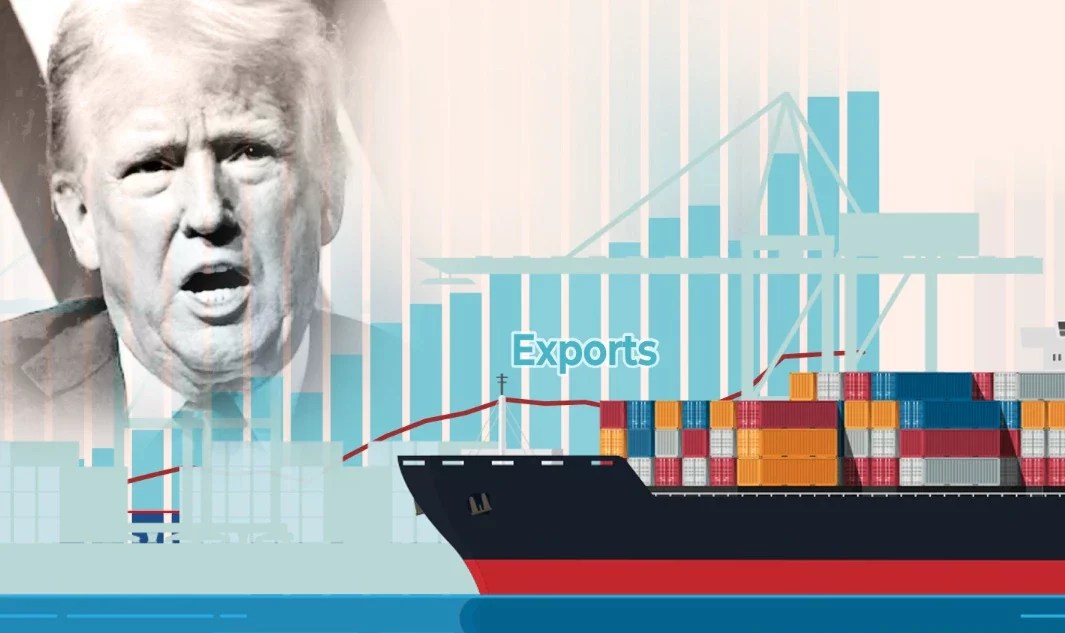
Foreign trade specialists assess that the decision could increase insecurity in commercial relations between the two countries and generate impacts on exporting segments that depend on the North American market. The United States remains among the main destinations for Brazilian exports, especially for industrialized, chemical, steel, and manufactured products.
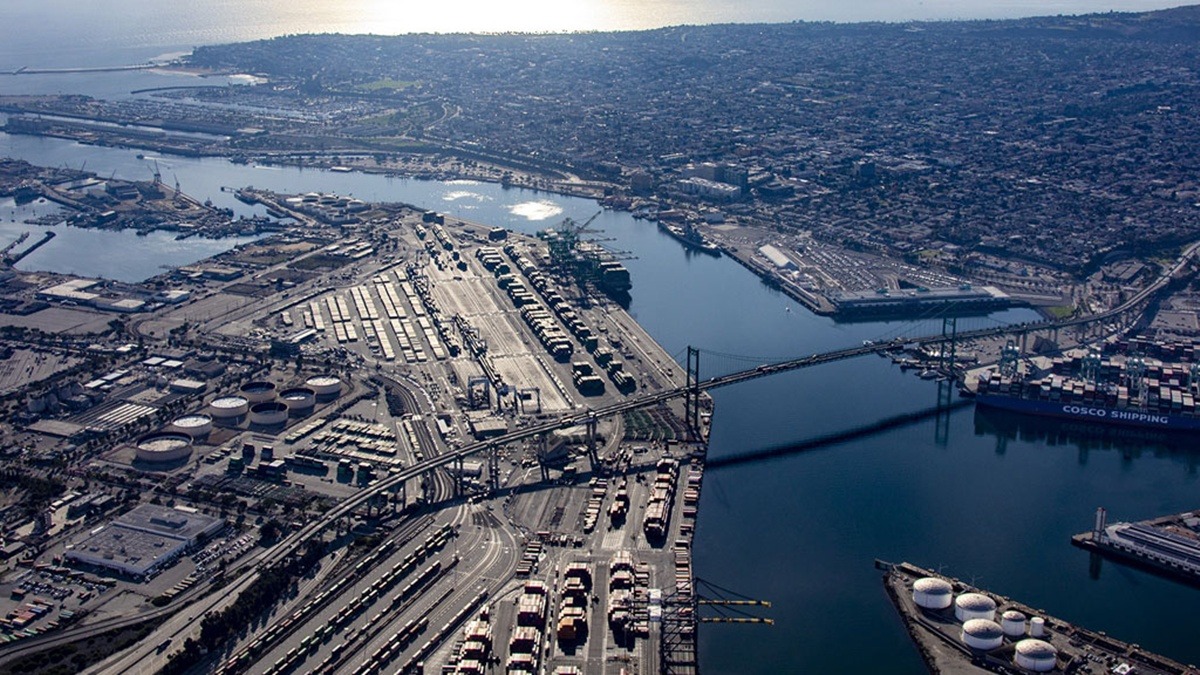
For the logistics and port sector, the measure is being watched closely, since any reductions in export flows could affect cargo movement at terminals specialized in international trade.
Representatives of the Brazilian government and business entities are expected to intensify diplomatic and commercial negotiations in the coming weeks to seek clarifications on the scope of the proposal and defend the interests of national exporters.
While the measure is still under evaluation by American authorities, companies in export sectors are monitoring the scenario and analyzing possible impacts on contracts, logistics costs, and competitiveness in the international market.



🎟️ EXCLUSIVE DISCOUNT FOR JORNAL PORTUÁRIO READERS
Jornal Portuário readers receive 15% discount on registration for ENIP 2026 – Santos Stage.
Discount coupon: JP15
📅 Date: June 12, 2026
📍 Location: Santos (SP)
Register now:
https://www.sympla.com.br/evento/encontro-nacional-industria-porto-2026-etapa-santos/3397606
```