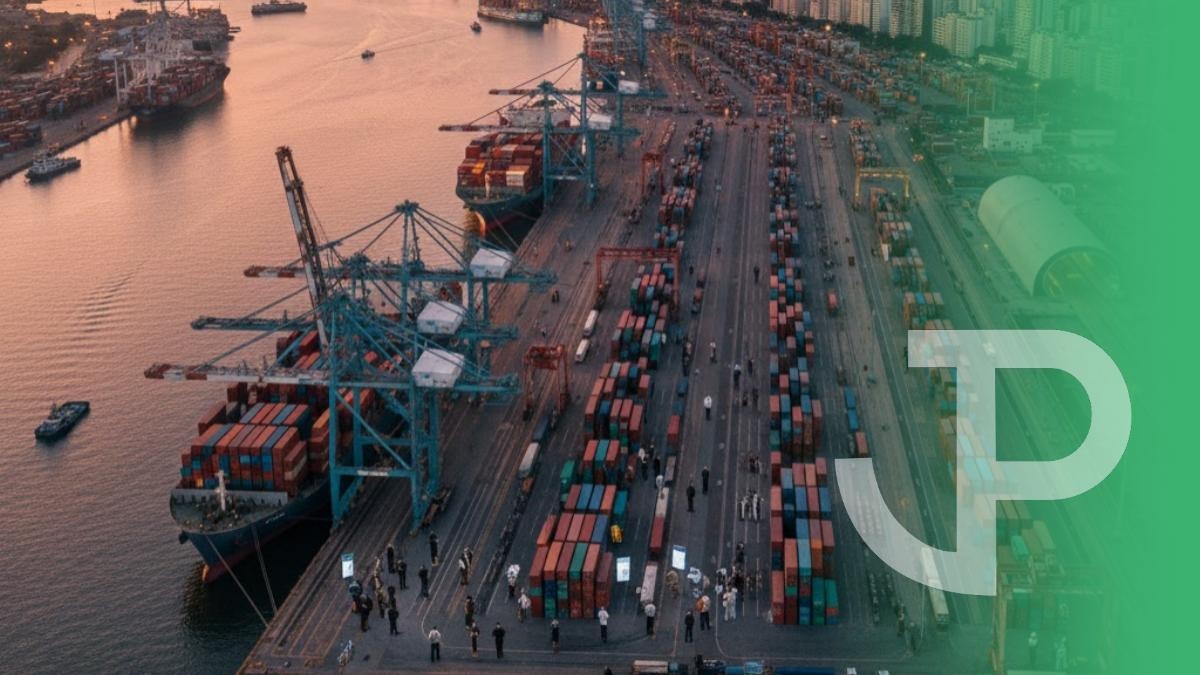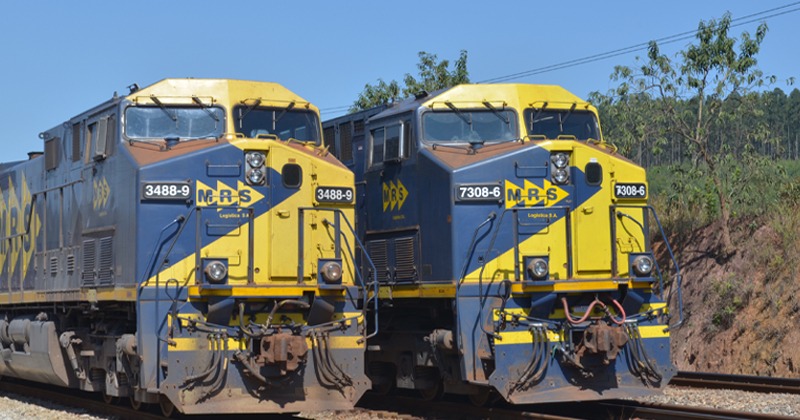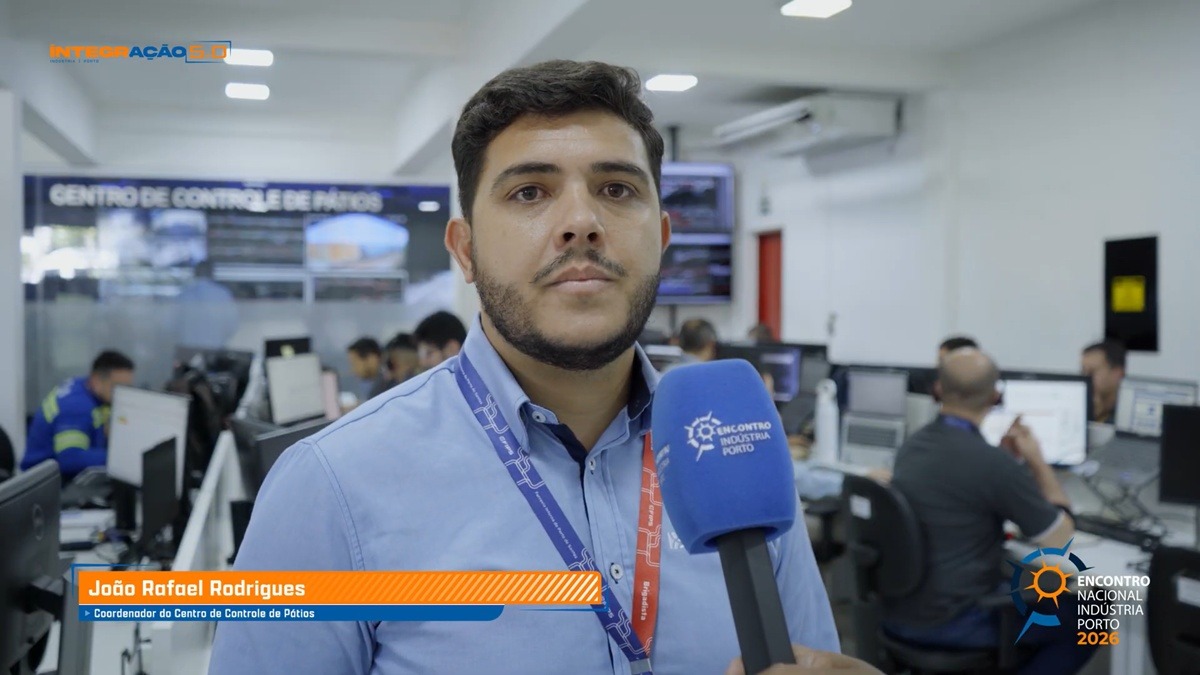
The Integration 5.0 program highlighted FIPS's central role in managing railway operations at Santos Port, establishing the railway as a strategic axis for the country's logistics future. Responsible for coordinating the flow of railcars from major operators, the entity works directly in connecting the demand from terminals to railway transport, ensuring greater efficiency in the logistics cycle.
The operation is based on an integrated model that monitors cargo from its origin until it arrives at the port, organizing flows and reducing bottlenecks. On peak days, movement exceeds two thousand railcars, which represents thousands fewer trucks on Brazilian highways.


Beyond the logistics gain, the model contributes directly to sustainability and safety, reducing emissions and decreasing accident risk. The strategy also strengthens the port-city relationship, minimizing urban impacts and improving fluidity in the surroundings of the port complex.
FIPS's performance shows that the future of logistics depends on intelligent integration between modes of transport, with the railway occupying an increasingly relevant role in Brazil's transport matrix.