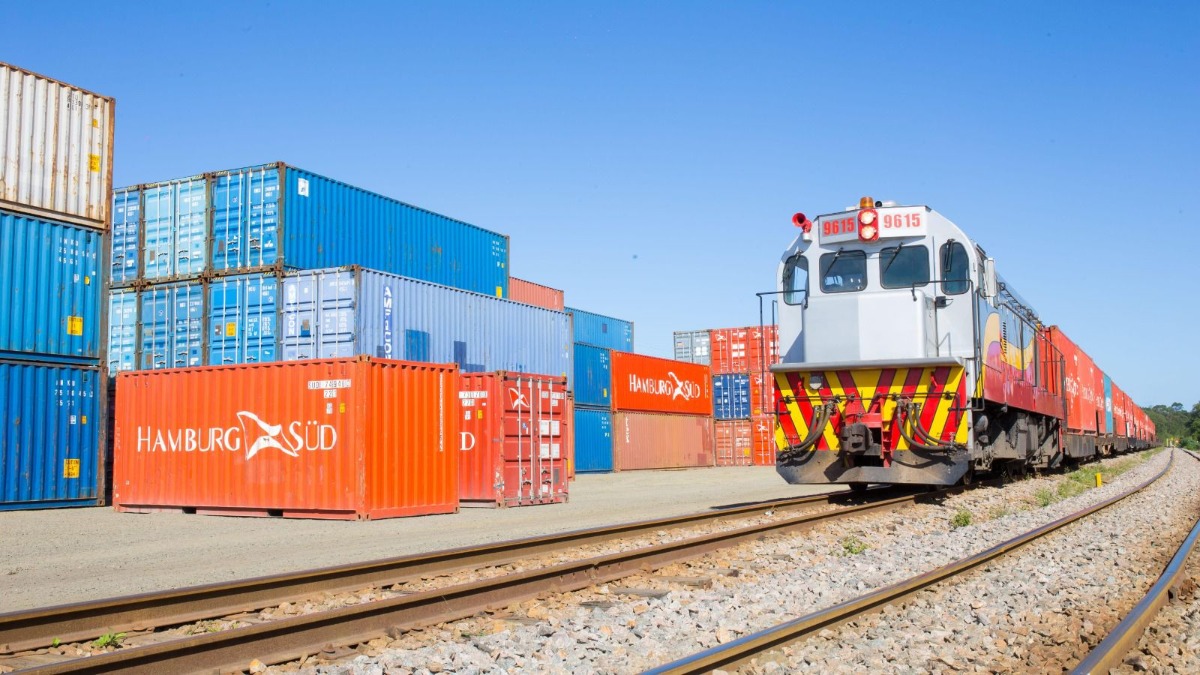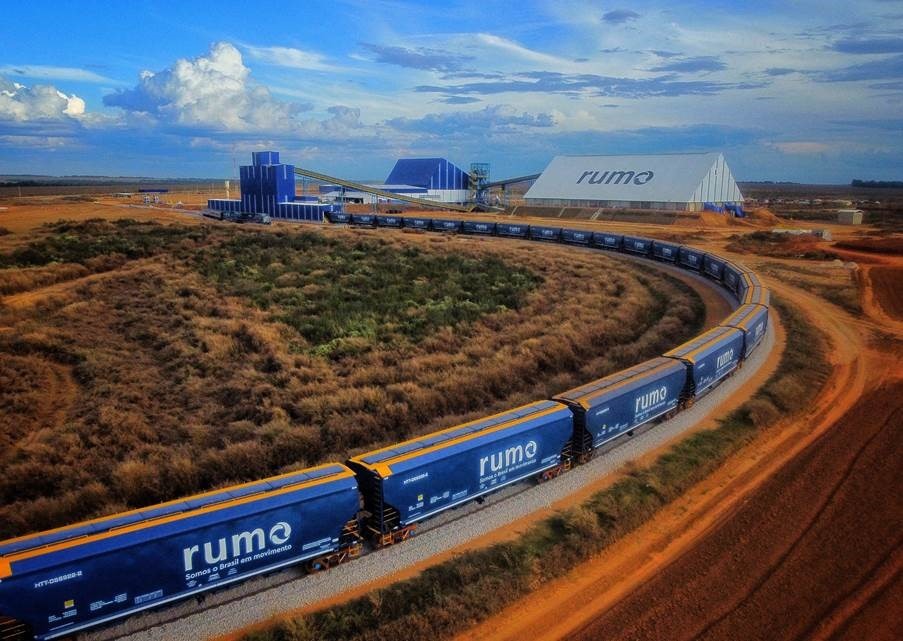
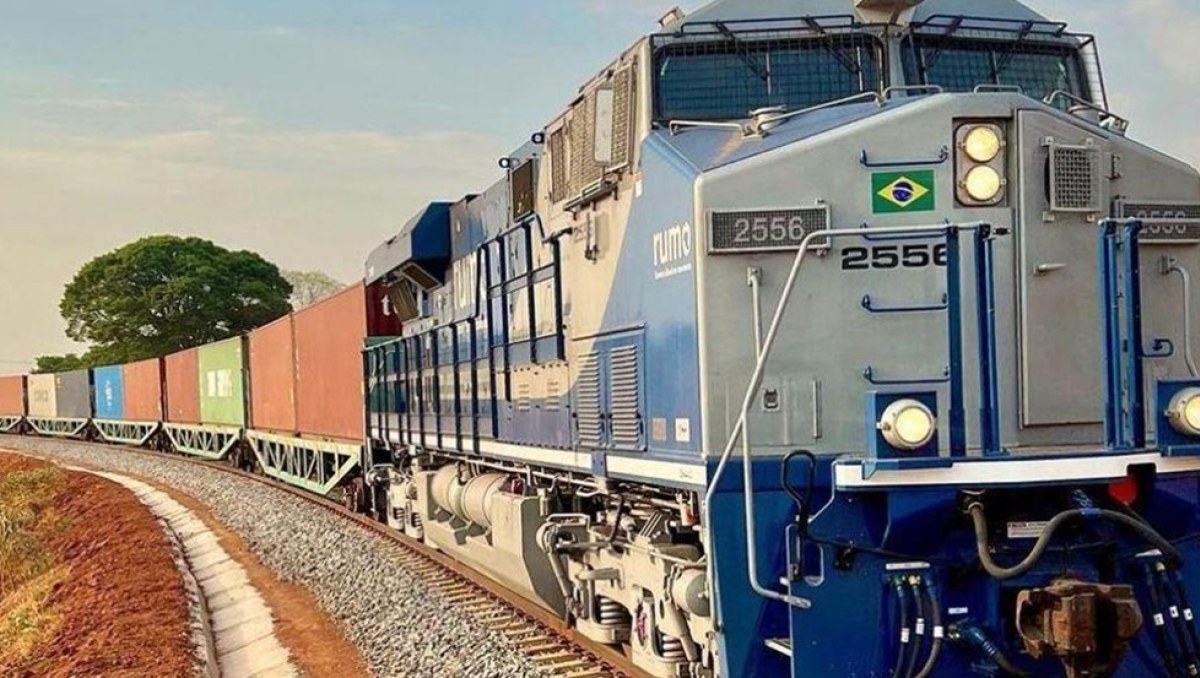
The Ministry of Transportation presented to the market a portfolio with seven short-haul railway projects, the so-called shortlines, which may expand connections between producing regions, logistics hubs, terminals and the national railway network.
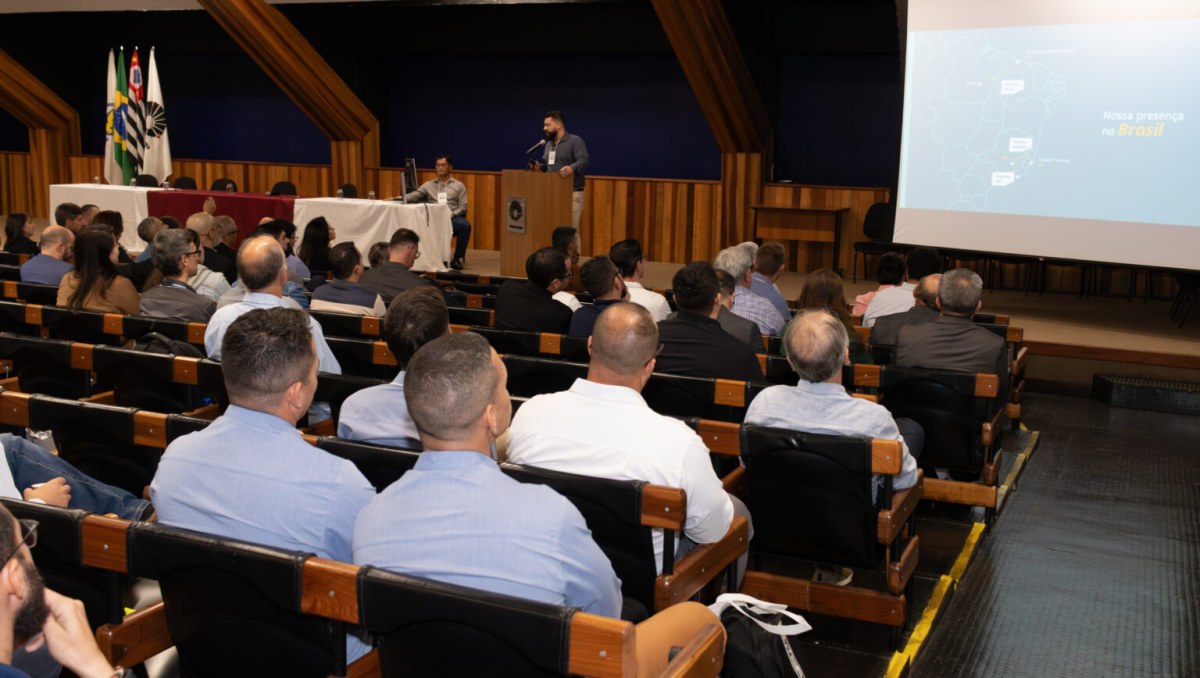
The projects were presented this week to companies and financial institutions in São Paulo, and are distributed across the South, Southeast, Center-West and Northeast regions. The government's expectation is to take at least two of the sections to auction still in 2026, using the railway authorization model provided for in the Railway Legal Framework.
The model allows private companies to build and operate railways on their own account, following the rules established by legislation, in a structure different from traditional concessions.
Seven projects enter the radar
The portfolio presented by the Ministry of Transportation brings together sections with different logistics and transport vocations:
- Cruz Alta – Santo Ângelo (RS): 108 kilometers, with potential for movement of soybeans, corn and fertilizers;
- Santo Ângelo – Santa Rosa (RS): 65 kilometers, with possibility of integration of cooperatives and cargo;
- Roncador Novo – Jardim Ingá (GO): 245 kilometers, with potential for connection with a dry port;
- General Carneiro – Miguel Burnier (MG): 92 kilometers, mainly focused on the mining and steel segments, plus tourism potential;
- Aguaí – Bauxita (SP/MG): 75.4 kilometers, connecting to the São Paulo railway network;
- Campina Grande – Cabedelo (PB): 163.2 kilometers, with proposal for multimodal and urban logistics integration;
- Brasília – Luziana (DF/GO): 60.5 kilometers, with focus on regional passenger transport.
The diversity of the projects shows that the strategy is not concentrated exclusively on commodity transport. The portfolio includes corridors aimed at agribusiness, fertilizers, mining and steel production, as well as passenger-use proposals.
Railway and port logistics
For the port sector, one point of attention is the possibility of new railway connections expanding the area of influence of terminals and logistics corridors.
The project between Campina Grande and Cabedelo, for example, provides for a multimodal connection, while the section between Roncador Novo and Jardim Ingá has potential for the implementation of a dry port. The Rio Grande do Sul projects have direct relation to agricultural cargo and fertilizers.
The expansion of branch lines and connections may also help bring producing regions closer to higher-capacity railway infrastructure, depending on the technical and economic viability of each venture.


Minas-Rio will have auction in December
Parallel to the new shortlines portfolio, the government maintains the schedule for the auction of the Minas-Rio Corridor, scheduled for December 17, 2026.
With approximately 733 kilometers, the corridor is currently operated by Centro-Atlântica Railway (FCA). The project will be divided into two lots and provides that the future operator assume maintenance, recovery and modernization of the infrastructure. It will also have to present, within two years, a railway recapacitation plan.
According to a statement by the Transportation Minister, George Santoro, CSN and MRS are jointly studying the Minas-Rio project.
Other projects advance to 2027
The Ministry of Transportation also reported that it intends to publish still in 2026 the notices for the Southeast Railway Ring (EF-118) and the West Mesh. The respective auctions, however, should take place in 2027.
In parallel, the government works with a broader portfolio to recover railway sections currently without operation. According to the Ministry of Transportation, the new model may open the way for public calls involving approximately 10 thousand kilometers of railways returned by concessionaires.
``` ```htmlThe initiative places railway infrastructure at the center of the logistics expansion agenda, with projects that can connect producing areas, terminals, and different transport modes. For ports, the evolution of these initiatives will be monitored mainly through impacts on cargo origin and destination, corridor capacity, and railway integration with port infrastructure.
```