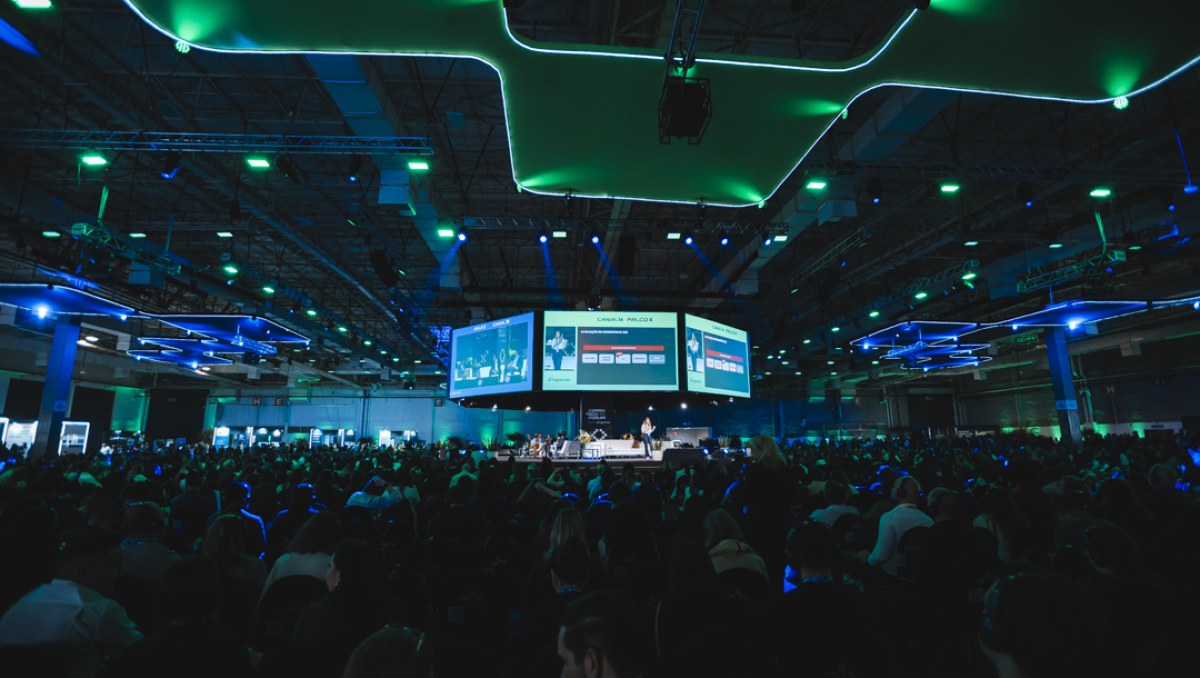
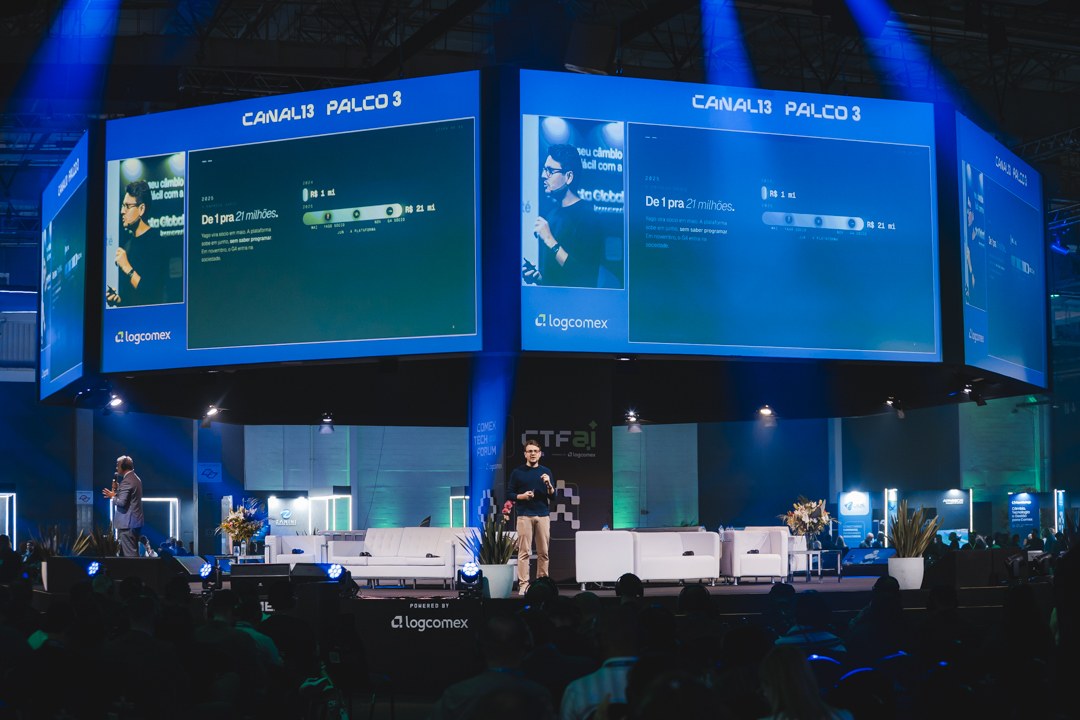
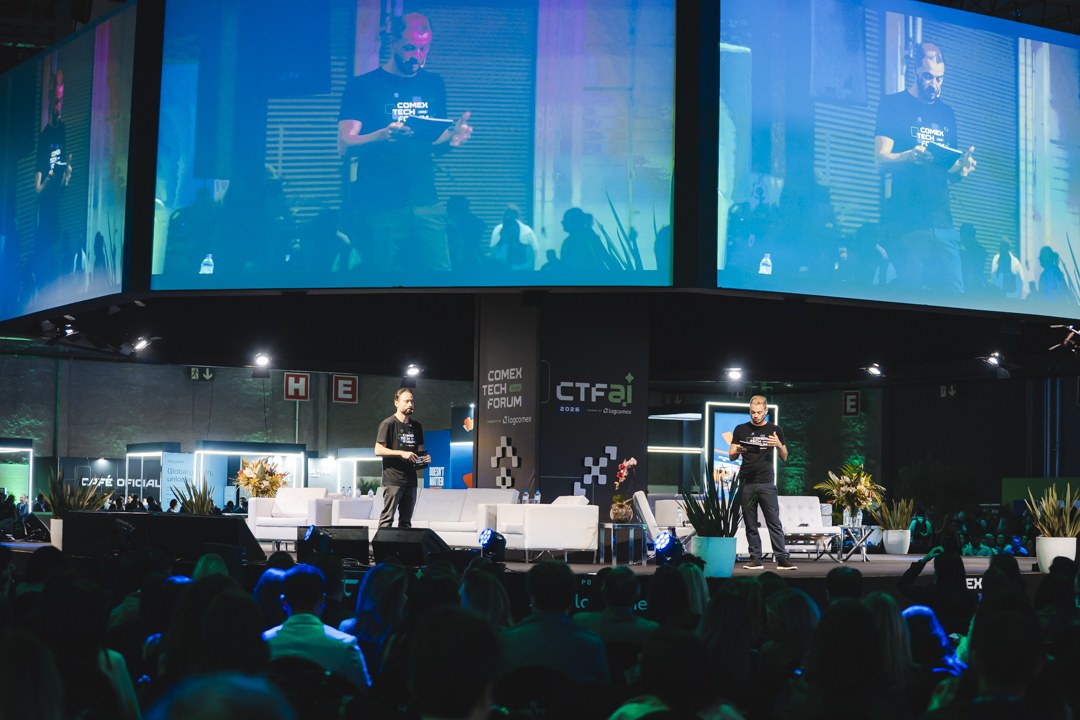
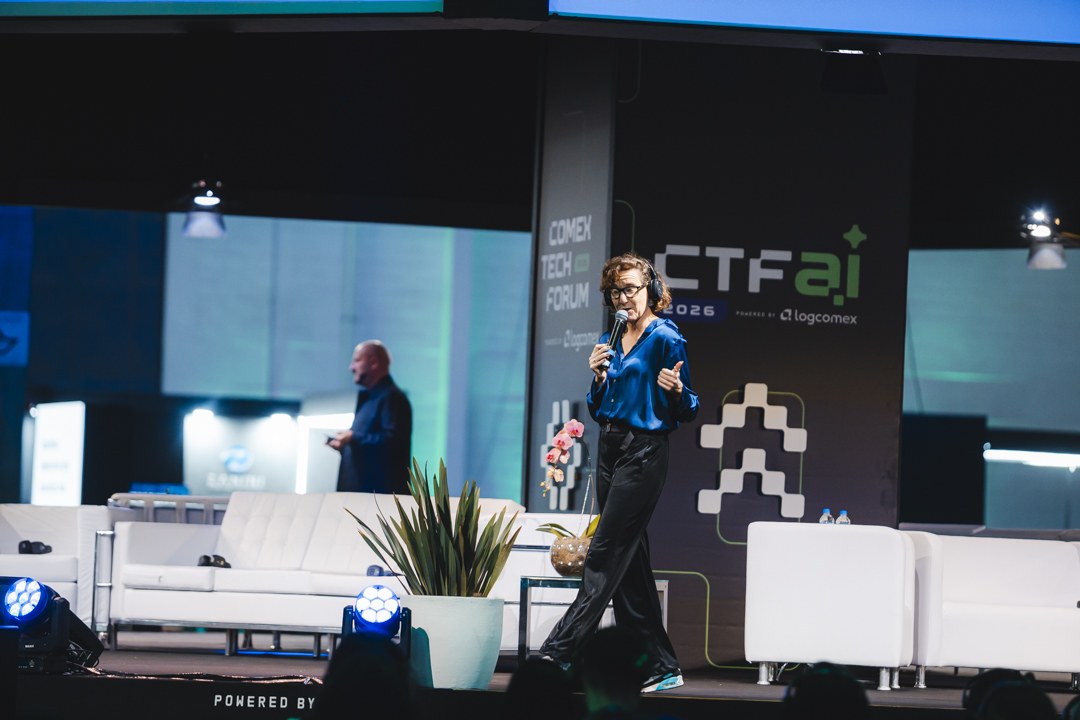
Artificial intelligence is no longer a discussion about what companies will be able to do in the future, but about how to turn technology into results in the present. This was one of the main conclusions of the fourth edition of the Comex Tech Forum (CTF), held this Wednesday (2nd) at the Transamerica Expo Center in São Paulo. With 4,000 participants, the event placed at the center of discussions the challenges of incorporating AI into operations, generating financial returns from its use, and at the same time preparing professionals and leaders for a transformation that is advancing across different sectors of the economy.

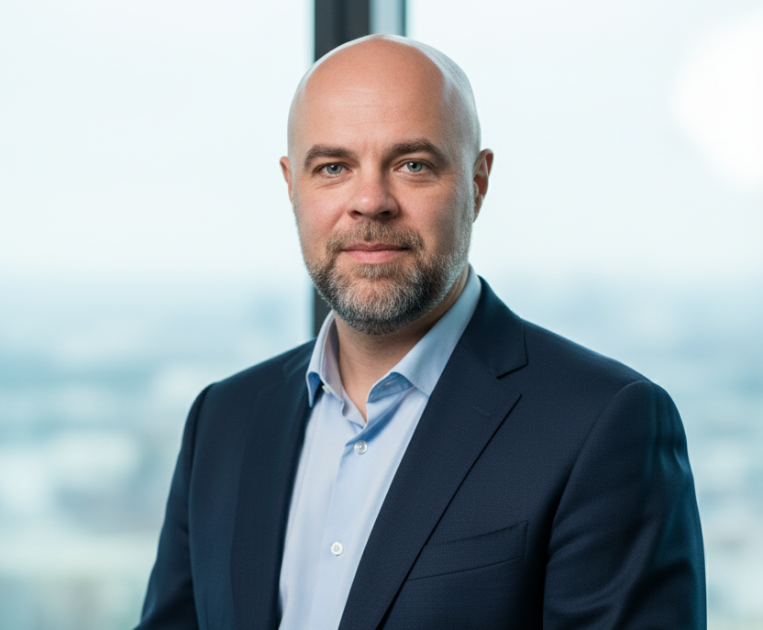
Promoted by Logcomex, a Brazilian artificial intelligence company for foreign trade, the CTF brought together executives, specialists, and professionals from areas such as logistics, supply chain, industry, technology, infrastructure, finance, and management. Throughout the day, artificial intelligence, international trade, geopolitics, business, leadership, and the future of work appeared in an interconnected way in discussions, reflecting an audience that, according to Helmuth Hofstatter, founder and CEO of Logcomex, also arrives better prepared to deepen this debate.

"The level of people coming to the event has risen significantly. Companies are in this transition to understand how to actually put AI into their operations, and there is a maturity curve happening. That's why we built the program to discuss two things: how artificial intelligence is being applied today and what comes ahead. We want to bring together different segments of foreign trade to share practical applications and help people prepare for this future," says Hofstatter.

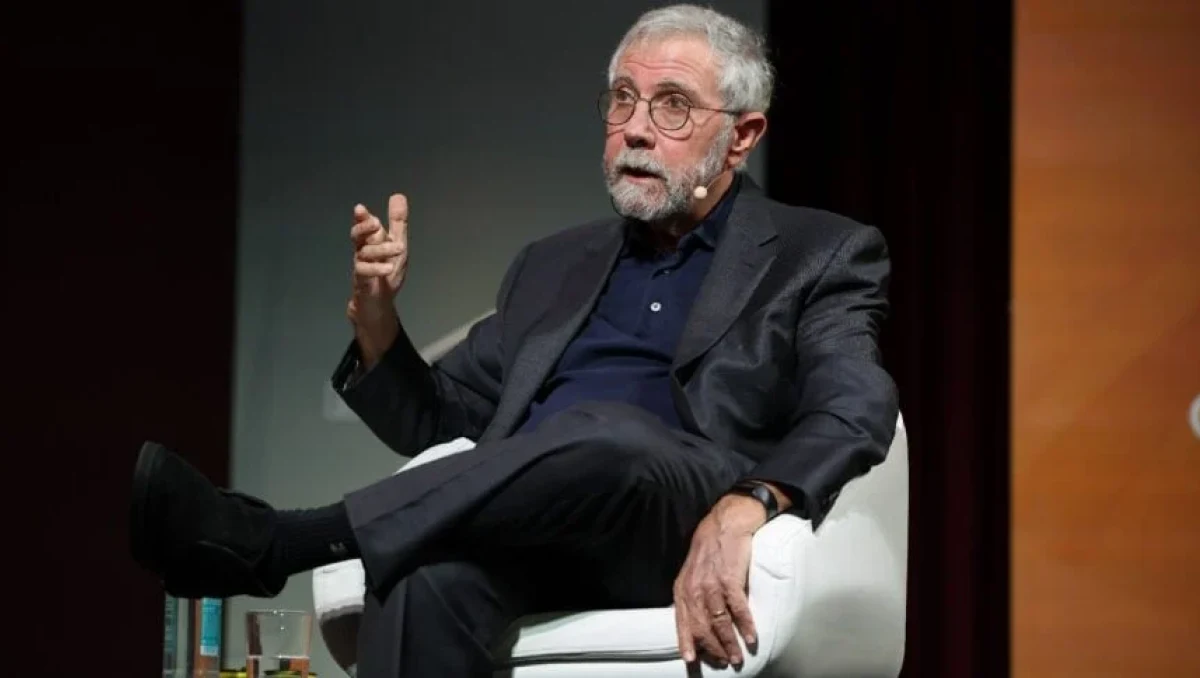
The edition took place in a symbolic year for Logcomex. Upon completing a decade of operations in 2026, the company adopted the AI-First positioning, placing artificial intelligence at the center of its strategy and the development of its solutions. This shift also guided the delivery of this year's CTF, which brought together names such as Lars Karlsson, global director of Commercial and Customs Consulting at Maersk; Professor HOC, who addressed artificial intelligence and geopolitics; Dafna Blaschkauer, global executive with experience at Nike, Apple, and Microsoft; Alfredo Soares, cofounder of G4 Educação and partner at VTEX; and Rafael Milagre, founder of Viver de IA. Across the different stages, executives from companies such as iFood, Volkswagen, Bradesco, BASF, Philips, O Boticário, Zurich Airport Brasil, BH Airport, and other major companies also shared experiences and views on the challenges already impacting their operations.

Among the highlights was Rafael Milagre's lecture, focused on the use of artificial intelligence in the day-to-day of companies and professionals. For him, the next step is not simply to adopt new tools, but to incorporate AI into the culture of organizations with clear business objectives: increase revenues and reduce costs.

"The small company today can have access to technology to create solutions that were once exclusively available to large companies due to capital costs. Perhaps this is the best time for a small company to become large," says Milagre.

The relationship between technology, strategy, and results also appeared in Alfredo Soares's lecture, who conducted a dynamic conversation with Allan Schmitt, sales manager at Logcomex, about marketing, artificial intelligence, and business transformation. For him, competitive advantage does not lie simply in access to AI, since the same tools will be available to different companies, but in the ability to create context, feed systems with relevant data, and apply them efficiently.

"The advantage is not using it. The advantage is what you do with it. Everyone will have access to the same power, but each one will learn to manage that power and feed it in a different way," he said.

Soares also drew attention to the need for maturity in the use of technology. Unlike traditional software, AI has costs that grow with its use and complexity, which requires strategy so that its application generates real returns. In the businessman's view, professional training does not involve completely relearning the tool with each evolution of models, but rather keeping up with the increase in its capabilities and finding new ways to apply it.

```html

“The change in AI is not a change in usability, it is a change in capability. The way of using it will not change that much; what will change is the level of power, processing, data combination, depth and research. AI has already found a way to interact with human beings; now, what will change increasingly are the applications”, he explains.

Technology advances, but transformation continues to depend on people

If artificial intelligence occupied the center of technical and business discussions, another conclusion ran through the program: the greater the technological capacity, the greater the need to develop human competencies to use it.

Dafna Blaschkauer, a global executive with stints at Nike, Apple and Microsoft, addressed precisely the ability to learn, unlearn, persevere and transform knowledge into action. In an environment in which new tools emerge at increasing speed, she argues that the speed of transformation does not eliminate the need to respect the learning curve. 

“Everyone is learning. There is no one today who knows exactly all the tools. But what matters most is putting into practice what we are learning. We learn by doing and executing, because that is where we understand what works, what needs to be adjusted and, mainly, what works for your business.”, she says.

The iFood experience, in turn, showed in practice the role of training in this process. Camila Pinto, HR director of the company, told how the company prepared its roughly 8,000 employees to incorporate artificial intelligence into their routine, combining access to a proprietary AI tool with workshops and experimentation spaces. In six months, the professionals created about 12,000 agents, reinforcing the importance of placing the teams themselves at the center of this transformation.

“AI comes to enhance our capacity and our human competencies”, she states. According to her, by taking on repetitive and operational tasks, technology can free up time for professionals to devote themselves more to creativity, collaboration, innovation and critical thinking. For this to happen, however, transformation also needs to be driven by leadership. “There is no culture without leadership and there is no leadership without making culture happen. Organizations need to foster a culture of experimentation and innovation that brings the entire organization along.”

This human dimension was also present outside the stages. Networking remained one of the pillars of CTF, with executives, experts, sponsors and participants deepening throughout the day the discussions started in the program, and the fourth edition expanded the spaces dedicated to these exchanges.

The event closed with a show by Xande de Pilares, who wrapped up the program in a celebratory atmosphere and has already raised expectations for the next edition.

CTF 2027 already has a date set

Comex Tech Forum 2027 will be held on September 1st, again at the Transamerica Expo Center, in São Paulo, and the organization's intention is to maintain the growth trajectory without losing sight of the issues at the center of foreign trade decisions.

“We want to surpass the edition we did this year and continue to evolve. That is the role of Logcomex and also of the event. Each year, we want to bring together the discussions that really matter to the market and ensure that whoever participates leaves here more prepared for what lies ahead”, Hofstatter concluded.

```