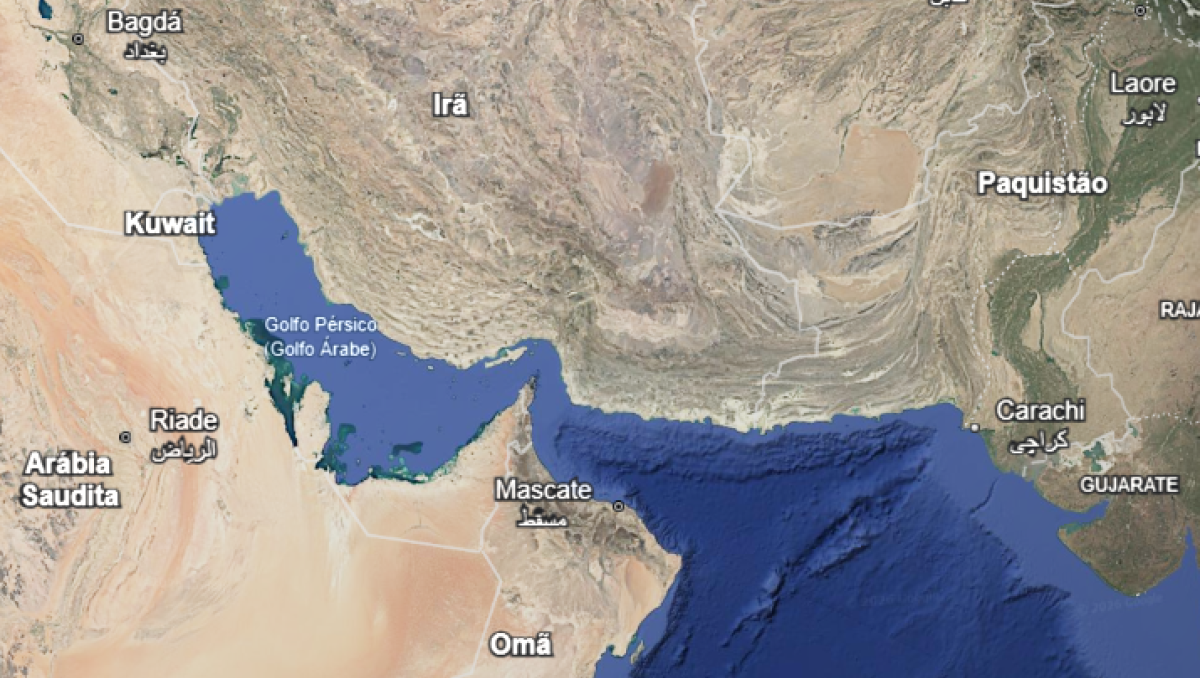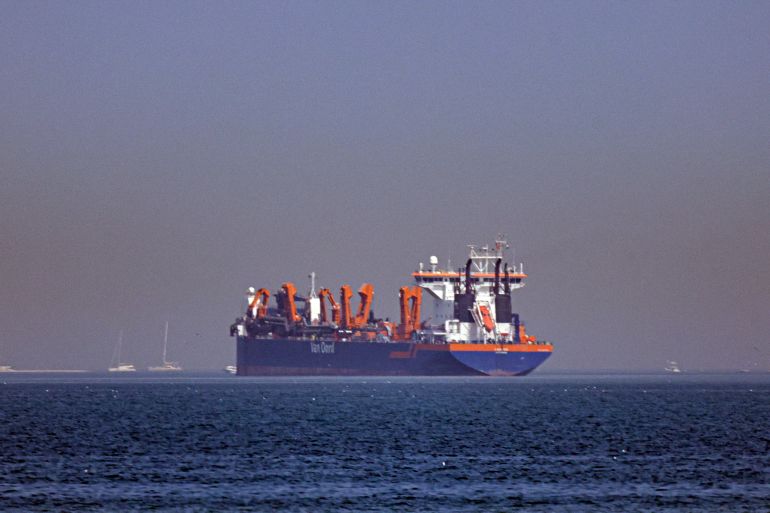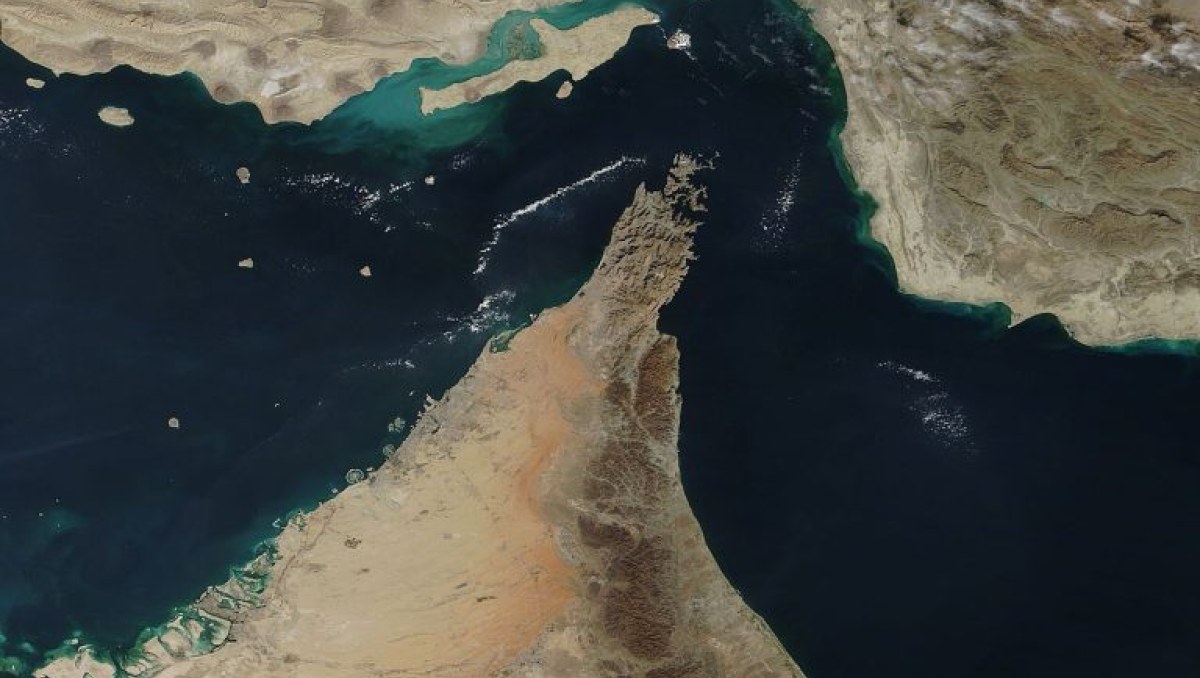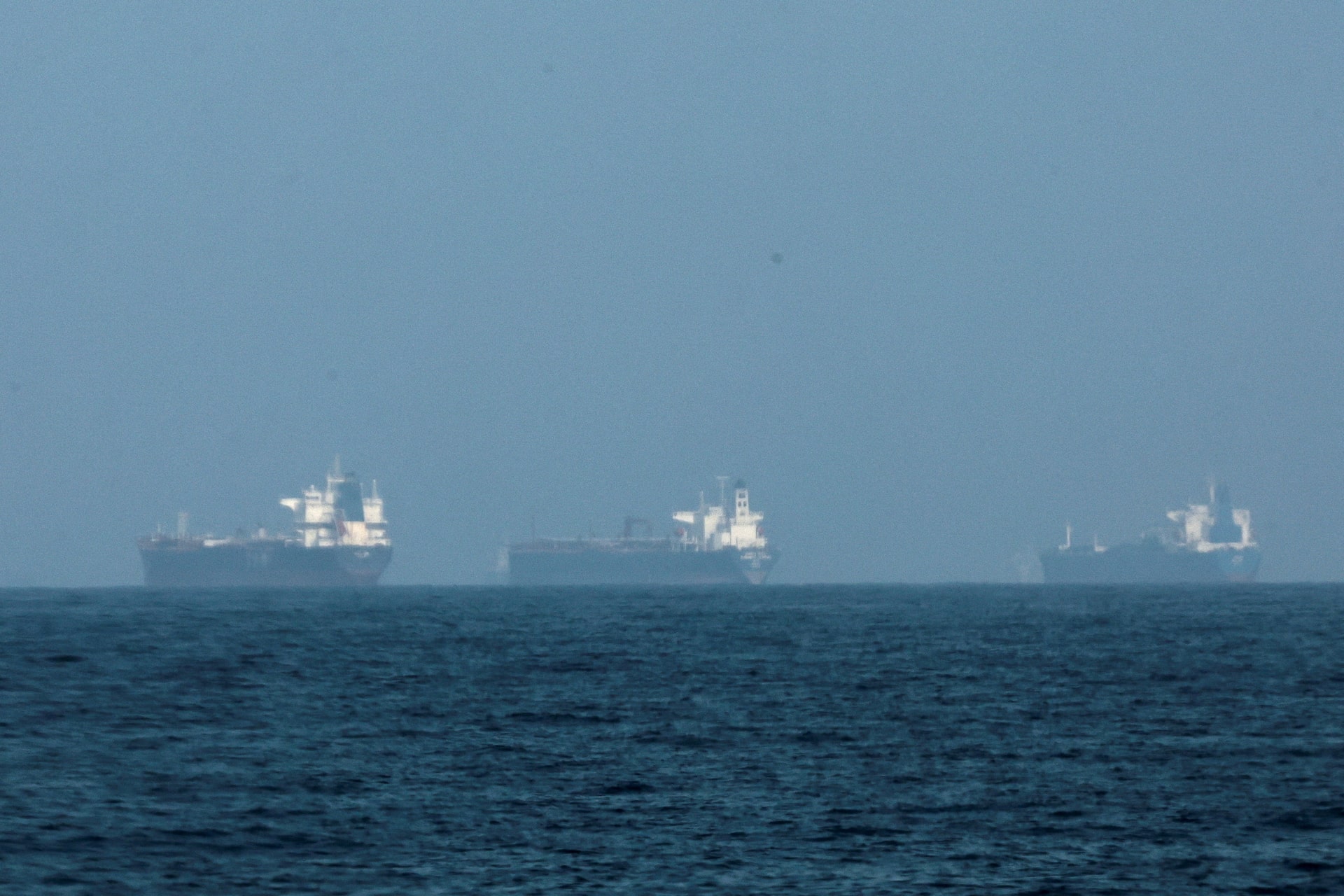
The crisis in the Strait of Hormuz has taken on a new dimension, with indications that Iran is already imposing on the ground a maritime corridor under its control, while the International Maritime Organization discusses ways to respond to the escalation of tension on that strategic route.
According to the information advanced, several vessels leaving the Gulf have been channeled through a narrow strip between the islands of Qeshm and Larak, in a passage particularly exposed to Iranian surveillance. Although there is no formal announcement about this corridor for now, the operational signs of its use have become increasingly visible. The same source notes that Iranian officials are negotiating with foreign governments the phased release of ships retained in the Gulf, allowing the passage of a limited number of vessels at a time. Before transit, detailed documentation on each ship will be required, followed by visual inspection during passage.
In parallel, the IMO convened member states in an emergency summit in London, where proposals for a neutral corridor allowing the safe departure of ships and humanitarian cargo were discussed. At the meeting, there were also renewed calls for the protection of freedom of navigation and the safety of seafarers who remain exposed to the worsening of the conflict. What is at stake is no longer just the military tension in one of the world's most sensitive passages, but also the operational and political impact that could result from a strait conditioned by a corridor controlled by one of the parties involved. For international maritime transport, uncertainty thus grows in an artery essential to global trade.
This publication was generated from information in the original feed. Credits and reference to the source have been included at the end of the text.


Source: https://portaldomar.org/2026/03/19/imo-discute-crise-no-estreito-de-ormuz-e-irao-impoe-corredor-maritimo-proprio/
```