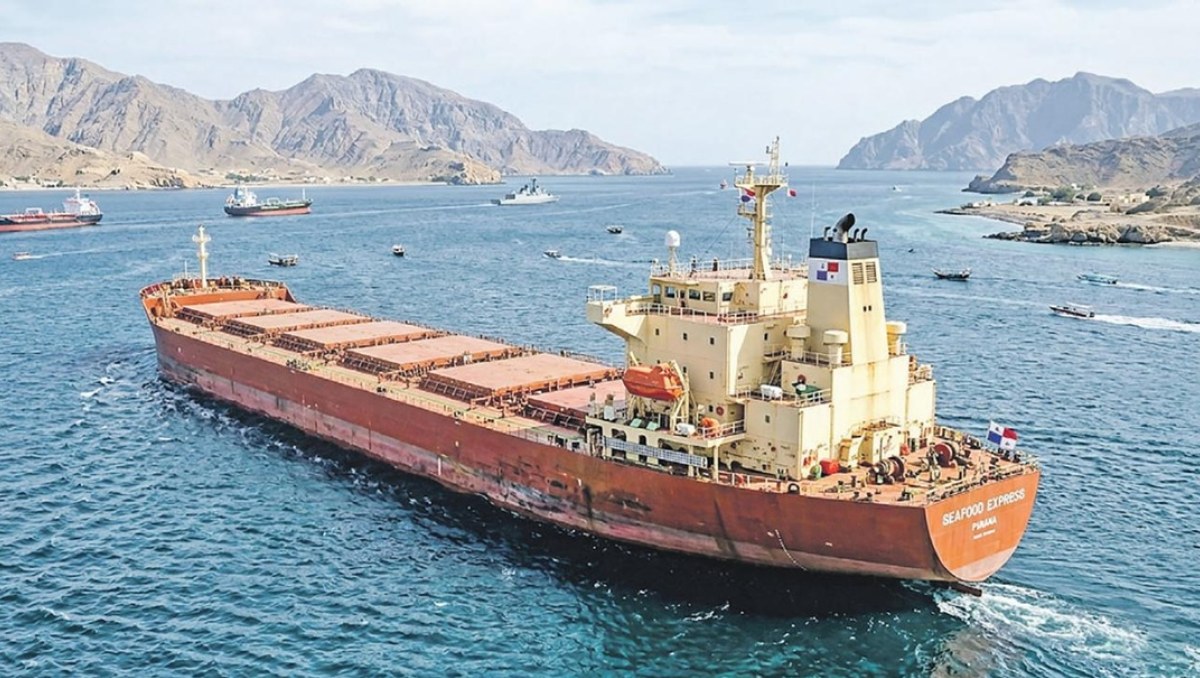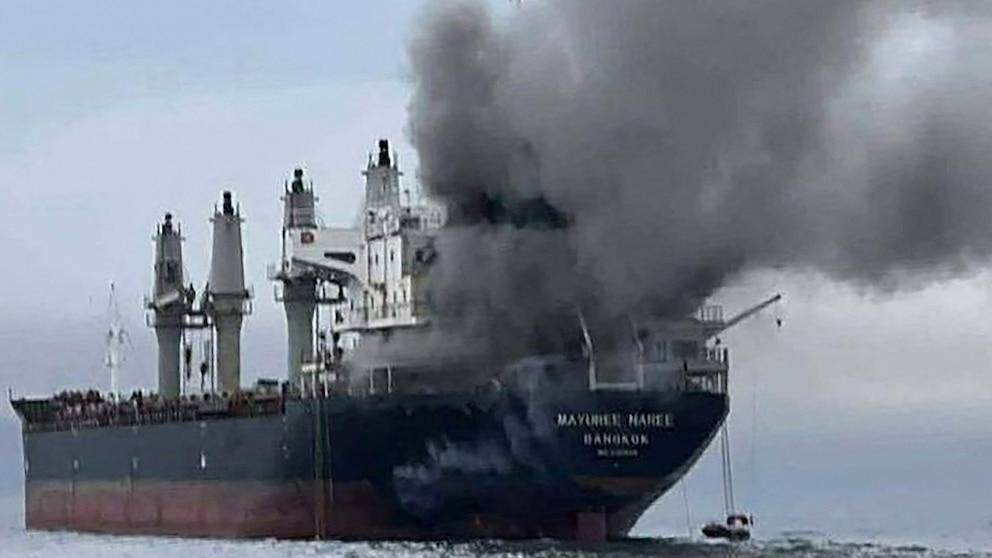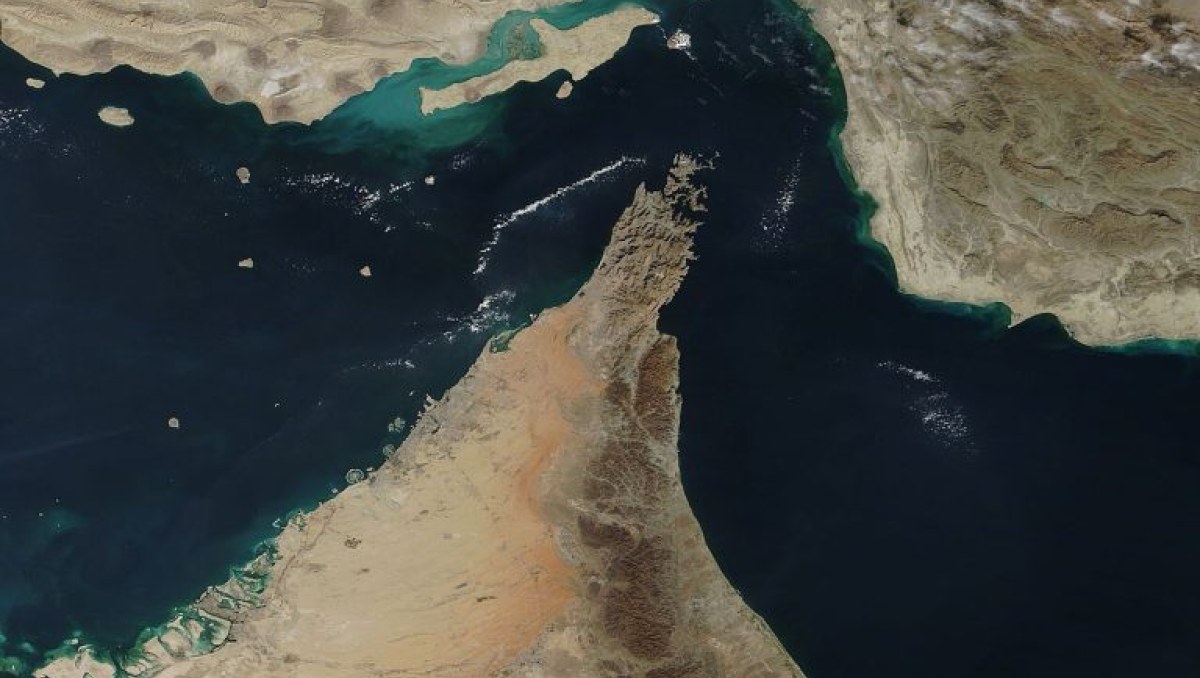
Iran has begun charging transit fees on some commercial vessels whose routes pass through the Strait of Hormuz, reasserting the control that Tehran holds over the world's most vital energy shipping corridor. The measure is understood as an attempt to financially exploit the strategic control that Tehran exercises over the strait.
According to sources heard by Bloomberg, payments of up to US$ 2 million per voyage are being requested sporadically, effectively creating an informal toll on the route. Because these are sensitive negotiations, the sources agreed to speak on condition of anonymity. Some vessels are said to have already paid, although it remains unclear how the charges are being collected and no standard procedure is being followed.
Since the onset of the conflict between the United States, Israel, and Iran, Tehran has restricted the passage of vessels deemed linked to its adversaries or to allies of these countries. The Strait of Hormuz is the shipping route through which as much as a quarter of global oil passes and, in some cases, even larger volumes of other petrochemical commodities essential not only to the economy but also to the basic functioning of industries worldwide.
India, which succeeded in having four vessels carrying liquefied petroleum gas (LPG) exit the Persian Gulf through the strait, stated that international law guarantees freedom of navigation in the strait and that no country may charge fees for use of the channel.


Last week, a member of the Iranian parliament stated that a proposal to make it mandatory for other countries to pay Iran for the use of the Strait of Hormuz as a safe shipping route is advancing in parliament.
For Arab Gulf producers, even an informal toll is unacceptable, sources say, as it raises questions of sovereignty, sets precedents, and increases the risk that a vital route for their energy exports could be wielded as a political weapon.
```