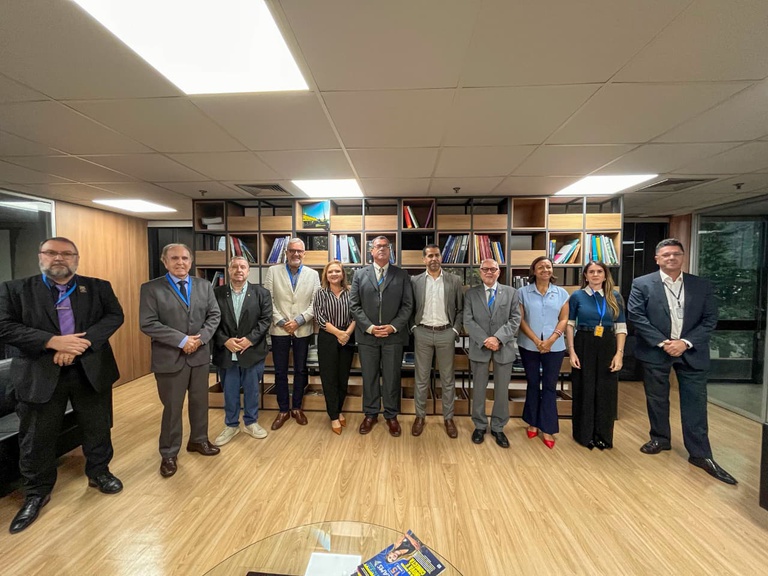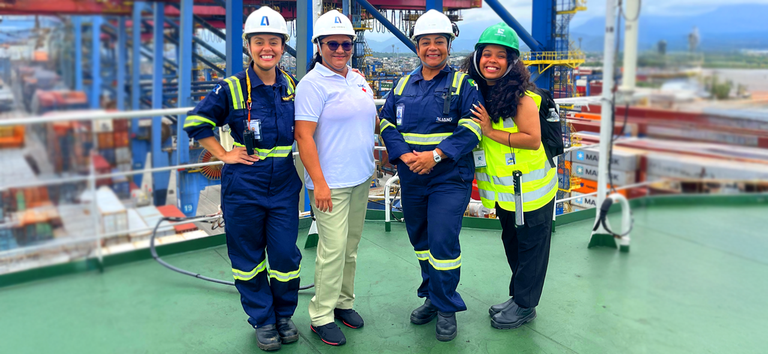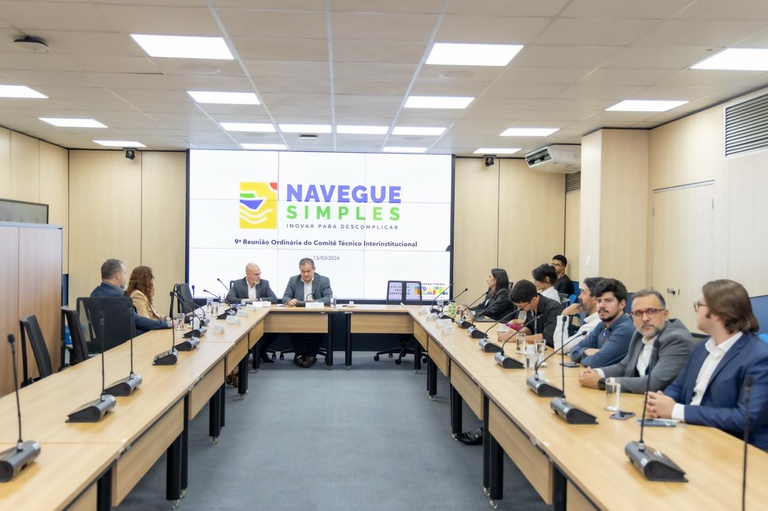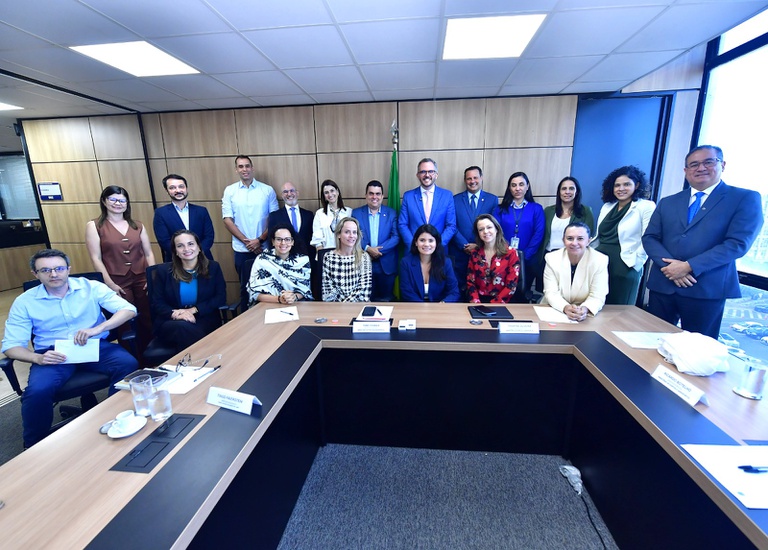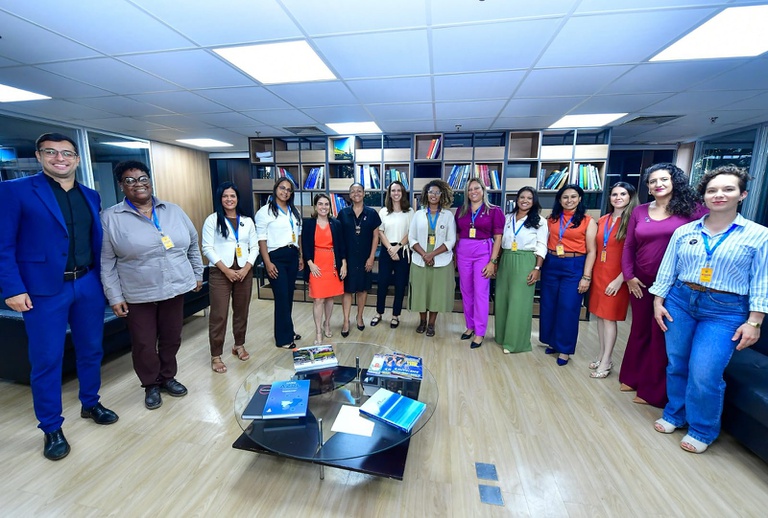
During Women's Month, the Ministry of Ports and Airports established the first Gender Equity Working Group of the Port Workers' Forum. Composed mostly of women, the entities that are part of the group met last Monday (2) to approve the internal bylaws and align the working group's initial guidelines.
Created by Resolution No. 60, of December 4, 2025, the group aims to monitor and propose actions aimed at gender equity in the port sector, focusing on identifying barriers to equality, monitoring through indicators, and disseminating best practices adopted in Brazil and abroad.
For the coordinator of the Gender Equity Working Group and executive manager of the National Federation of Port Operations, Maria Cristina Dutra, the start of work represents a fundamental step to strengthen debate and ensure concrete progress on sector issues. According to her, the group also consolidates itself as a democratic and institutional space where each entity brings its responsibility and representativeness.
"And that is exactly what strengthens the Working Group. What I bring into it is a very clear commitment: to discuss occupational health and safety for all in an inclusive, structured, and permanent way. There is no way to talk about port development without talking about protection of life and equity. I believe deeply in this proposal, especially because it was born with institutional backing. Public policy is not built in isolation. It is built through dialogue, through integration between government and the productive sector, and through shared responsibility," she stated.
For the chief of staff of the National Secretariat of Ports, and representative of the ministry in coordinating the group, Marina Cavalini Bailão, the importance of the working group lies in consolidating a permanent institutional space to address gender equity in a structured and integrated manner within the sector. "The creation of this group allows the issue to cease being sporadic and to be monitored with planning, targets, and constant dialogue with the entities," she highlighted.
Port experiences
During the meeting, port workers from states such as Bahia, Espírito Santo, Rio de Janeiro, Santa Catarina, São Paulo, and Pernambuco were able, in addition to debating the group's strategic alignments, to share experiences, struggles, and resistance from the ports where they work.
With 11 years as a port watchwoman at the Port of Imbituba (SC), Daiane Silva de Jesus is part of the National Federation of Cargo Handlers and Repairers (Fenccovib) and brought to the working group her professional experience and the strategies adopted at the Santa Catarina terminal to combat gender-based violence.


She highlighted the importance of the dialogue space for transforming lived experiences into concrete actions. "I know that during this time, I have encountered so many women in different realities and heard the pain of each one of them. I am not crying just for my own pain, but for the pain of each one that I am carrying with me," she stated.
For Daiane, collective work is essential to change the reality of the sector. "Today we are here to work together and ensure that the next generations do not go through the same difficulties that we faced and still face."
Combating harassment
At the Port of Imbituba, structured initiatives are underway to combat harassment and gender-based violence in the port environment. Among the measures adopted is the use of a reporting channel through the Mutual Aid Plan, the same number intended for operational emergencies, which also receives reports of harassment or situations of vulnerability.
Upon registration, a protocol is activated that provides for the deployment of port security to collect statements, notification of the worker's employer to ensure support, and notification of the Federal Police for investigation. In cases occurring on board, vessel detention for fact-finding may occur, with costs attributed to the shipowner, in addition to humanized support and psychological follow-up for the victim.
Another measure implemented is the posting of informational signs in high-traffic areas, in Portuguese and other languages, with guidance on legislation and reporting channels, expanding access to information for workers and crew members. According to watchwoman Daiane, practices such as moral harassment, sexual harassment, or unwanted contact should not be tolerated. "Regardless of who the aggressor is. For that, we need to ensure that the aggressor is properly penalized so there is no impunity and thus prevent new occurrences," she emphasizes.
As final actions from the meeting, discussions will be forwarded to the Forum and the group will advance in building indicators to monitor equity actions. The importance of acting jointly with the Labor Management Body (OGMO), focusing on culture and education in the port environment, was also highlighted, in addition to reinforcing the invitation for ports to participate in the diagnostic study that will support the next stages of the work.
```Representatives from the Ministry of Ports and Airports, the National Federation of Port Operations (Fenop), the National Federation of Dockworkers (FNP), the National Federation of Checkers and Cargo Repair Workers, Port Guards, Dock Workers, Stevedores and Ship Mooring Workers in port activities (Fenccovib), the National Federation of Stevedores (FNE), the Brazilian Association of Port and Waterway Entities (Abeph), and the Women and Ports Association attended the meeting.