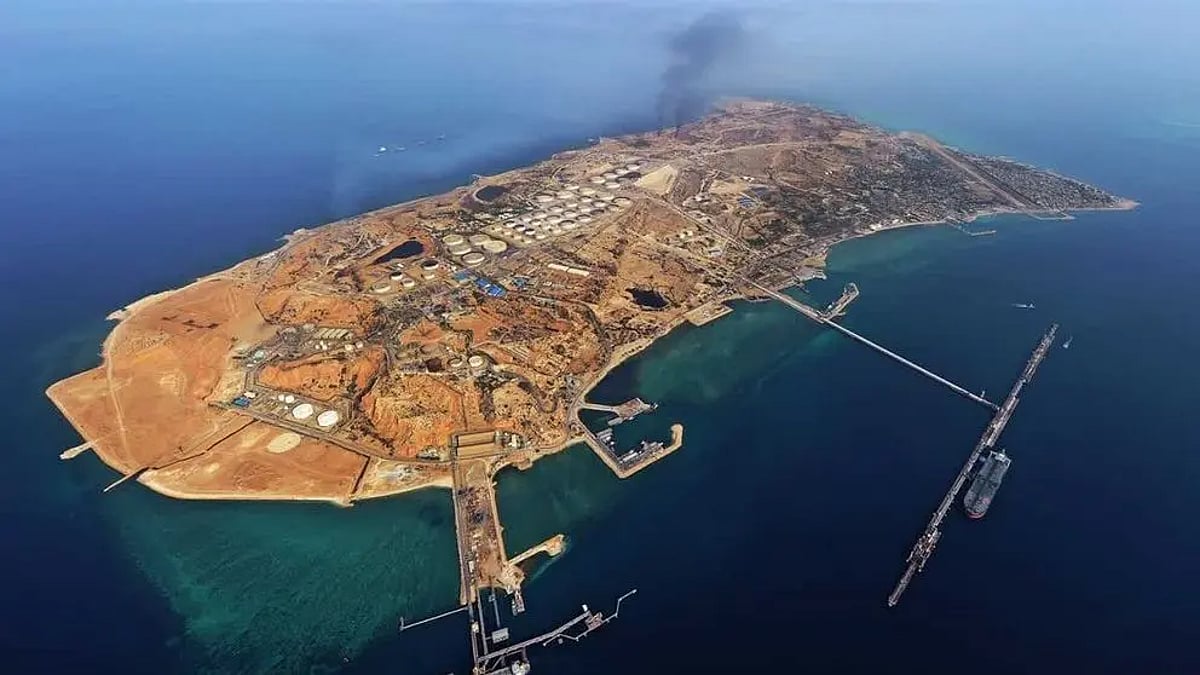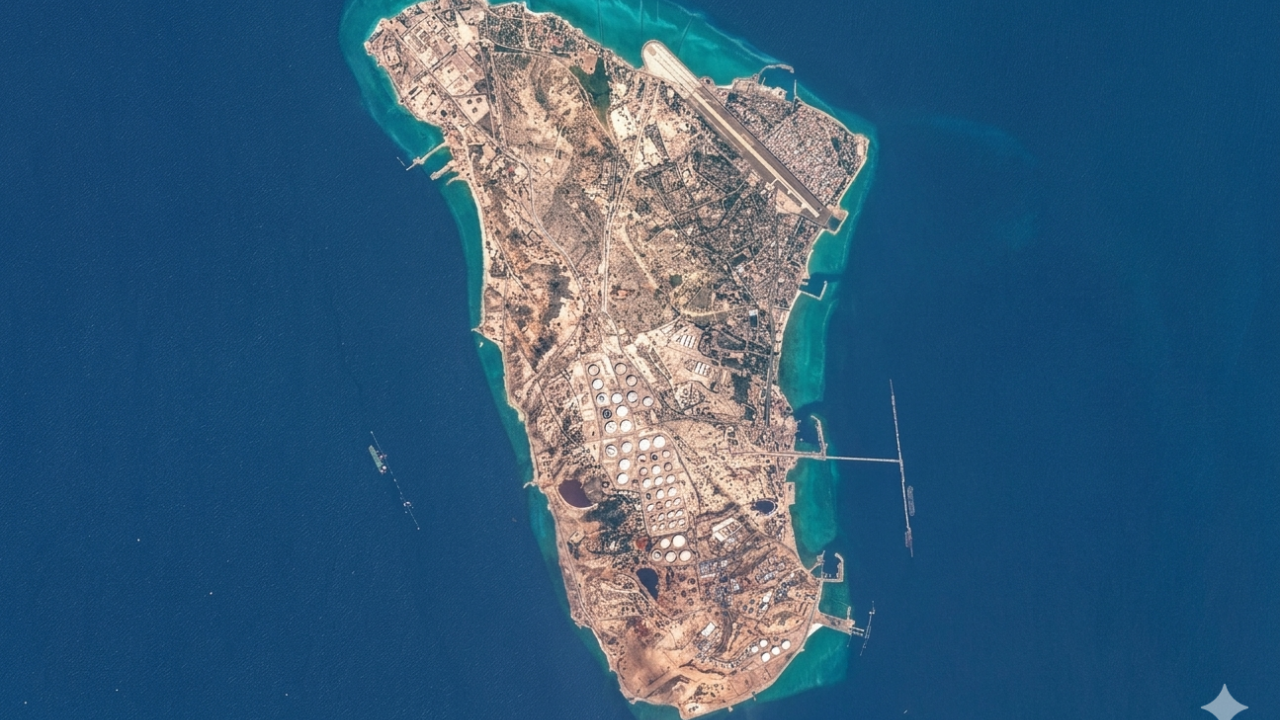

Kharg Island has become one of the most sensitive pieces in current tensions in the Persian Gulf, at a time when the United States keeps open the possibility of acting on a point considered vital to Iran's economy.
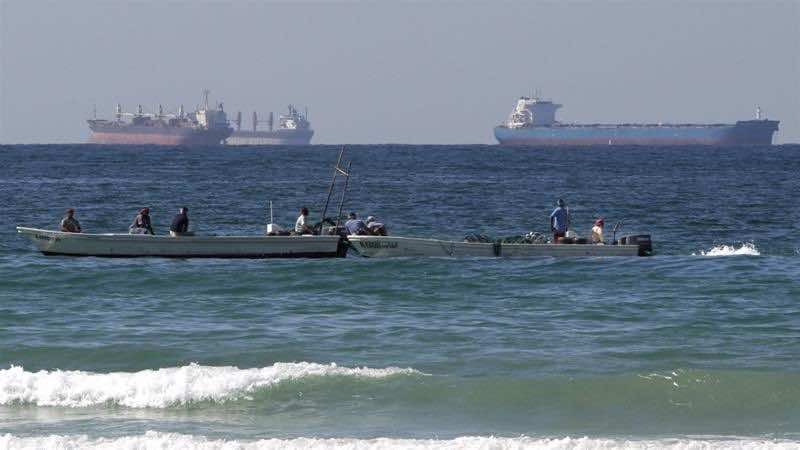
The reason is simple: Kharg is a strategic infrastructure for Iran's crude oil exports and potential control, blockade, or neutralization of the island would have direct impact on the country's primary source of revenue. Located about 15 nautical miles off the Iranian coast, the island concentrates a decisive portion of Iran's oil export capacity. Much of the crude exits through the terminal installed there, fed by pipelines from the mainland. Proximity to deep waters also allows the operation of large tankers, reinforcing its weight in the region's energy logistics. It is precisely this importance that makes Kharg a strategic target. Striking the island would mean exerting economic pressure on Tehran and, at the same time, gaining an additional lever at a moment when the Strait of Hormuz remains central to international concerns.
In a scenario of escalation, Kharg represents much more than an island: it represents Iran's energy jugular. Still, a direct attack on petroleum infrastructure would have severe consequences on a global scale. Beyond severely damaging Iran's economy, it could trigger a new military escalation and push oil prices even higher, with immediate repercussions on maritime transport, fuel, and international logistics chains.


Kharg thus emerges as a point where war, energy, and navigation intersect. And it is precisely for this reason that it remains at the center of attention.
This publication was generated from information in the original feed. Credits and reference to the source were included at the end of the text.
Source: https://portaldomar.org/2026/03/23/porque-e-que-os-eua-e-trump-querem-a-ilha-de-kharg/ ```