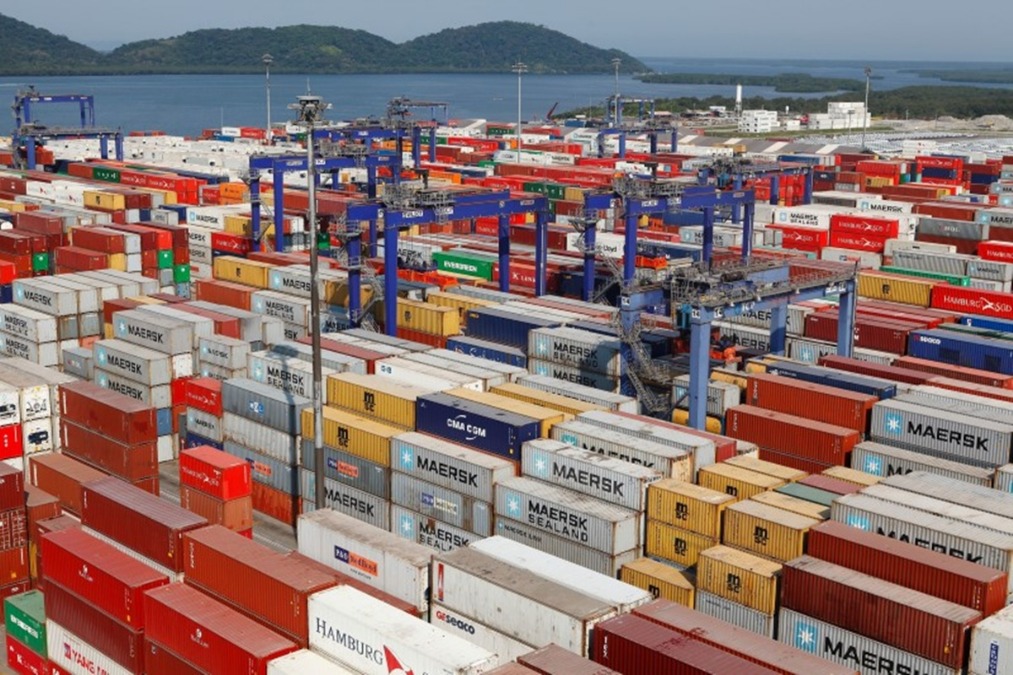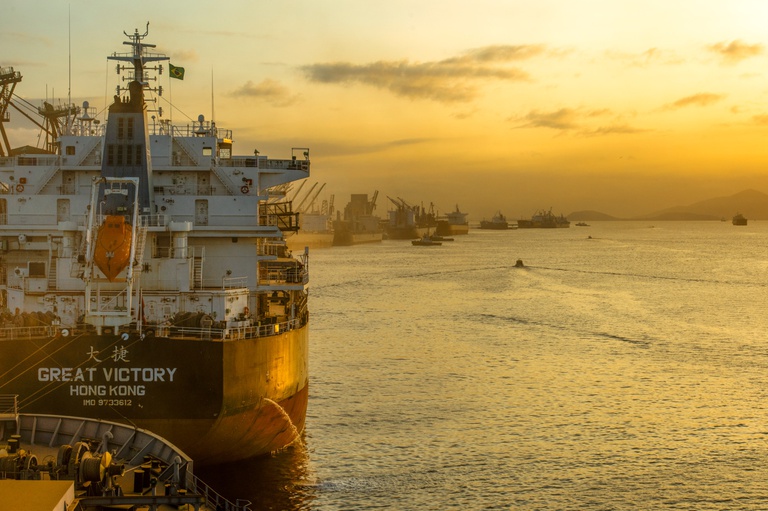
Container throughput at ports in the South region recorded growth of 22.3% in January 2026, reaching 4.9 million tons and representing more than one-third of all cargo handled in the period. The data comes from the Waterborne Statistics of the National Waterborne Transport Agency (ANTAQ).
According to the survey, in total the Southern ports handled 13.9 million tons in the month. Although overall volume showed slight variation compared to the same period in the prior year, the result was driven by the positive performance of containerized cargo, which has higher added value and is associated with more diversified production chains.
Minister Silvio Costa Filho highlighted that the advance in container throughput reflects the strengthening of the economy and investments in port infrastructure. "The growth in containerized cargo shows a more dynamic Brazil, with greater circulation of industrialized products and integration into global trade chains. This is the result of investments being made in ports, generating greater efficiency, capacity and competitiveness to support the country's economic development," he said.
Growth in containers indicates greater circulation of industrialized goods, inputs and consumer products, reflecting the dynamism of productive sectors and foreign trade. This type of cargo is also directly linked to Brazil's integration into global logistics chains.
Regional performance
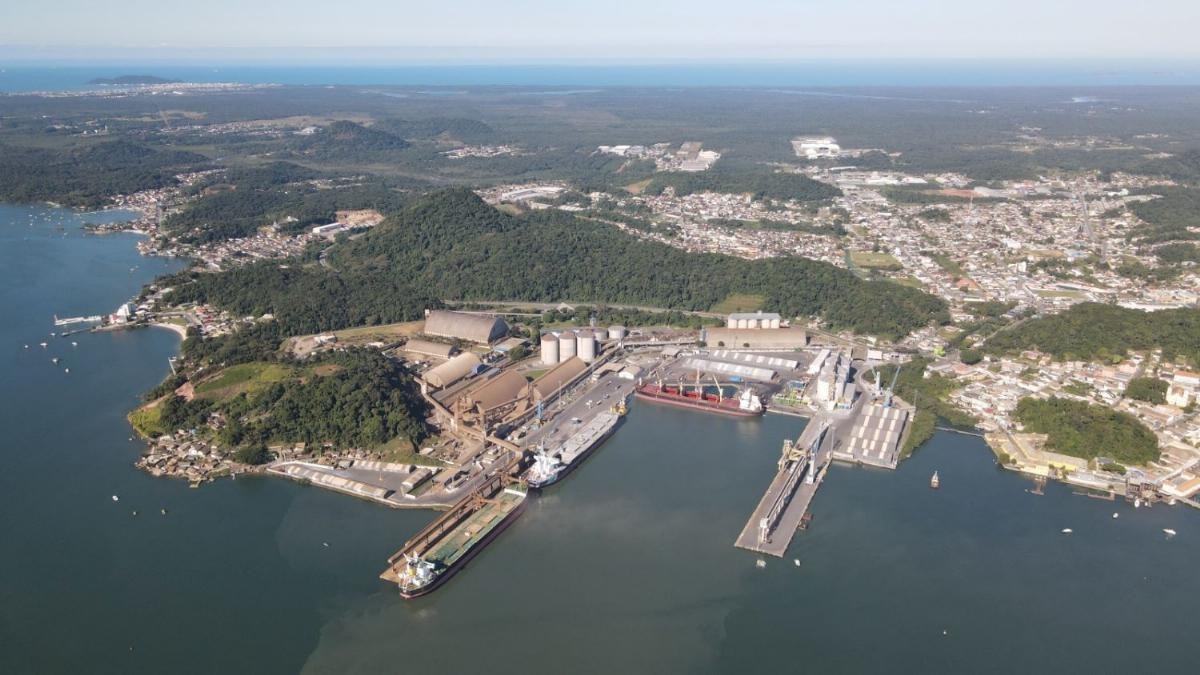
The South region is home to some of the country's main port complexes, such as Paranaguá (PR) and Itajaí (SC). In January, the Port of Paranaguá led throughput among the region's organized ports, with 4.7 million tons, followed by the Port of Rio Grande (RS), with 1.9 million tons.
Beyond organized ports, private-use terminals also play a relevant role in regional dynamics, such as Porto Itapoá (SC) and Portonave, in Navegantes (SC), which strengthen the region's logistics capacity and competitiveness.
Among cargo types, besides containers, petroleum and derivatives (2.5 million tons) and fertilizers (1.3 million tons) stood out, essential inputs for industry and agribusiness.
Despite point variations in some cargo types, such as declines in solid bulk and general cargo, deep-sea shipping (between ports of different countries) grew 7.2%, while cabotage (between Brazilian ports) advanced 3.7%, indicating greater circulation of goods and strengthening of maritime routes.


Investments
The results observed in early 2026 align with a recent cycle of investments in port infrastructure in the South region, aimed at expanding operational capacity and improving logistics efficiency.
At the Port of Paranaguá (PR), for example, draft deepening and ongoing dredging actions already allow the operation of larger and more heavily loaded vessels, which has contributed to productivity gains and reduction in logistics costs. This scenario recently enabled the registration of the largest barley operation ever performed on a single vessel at the terminal, with 50,000 tons handled.
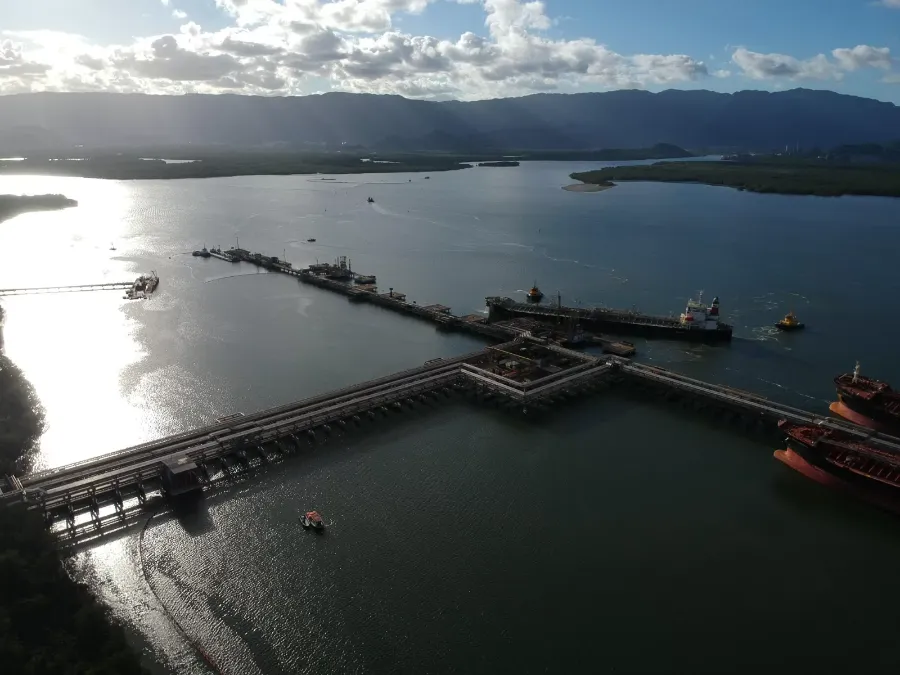
Another highlight is the concession of the port access channel, which provides for investments of R$ 1.23 billion over 25 years, aimed at dredging, maintenance and management of waterborne infrastructure. The initiative will allow expanding the draft to up to 15.5 meters, increasing operational capacity and the size of vessels accessing the port complex.
In addition, the port is undergoing structural interventions, such as the Moegão project, which will increase the terminal's railway capacity by approximately 60%, enhancing efficiency in cargo throughput.
In Rio Grande do Sul, the lease of the POA26 terminal at the Port of Porto Alegre (RS) should also contribute to expanding throughput and attracting new investments, with expectation of operational capacity growth in the coming years.
"The growth in containerized cargo shows a more dynamic Brazil, with greater circulation of industrialized products and integration into global trade chains" Silvio Costa Filho
```