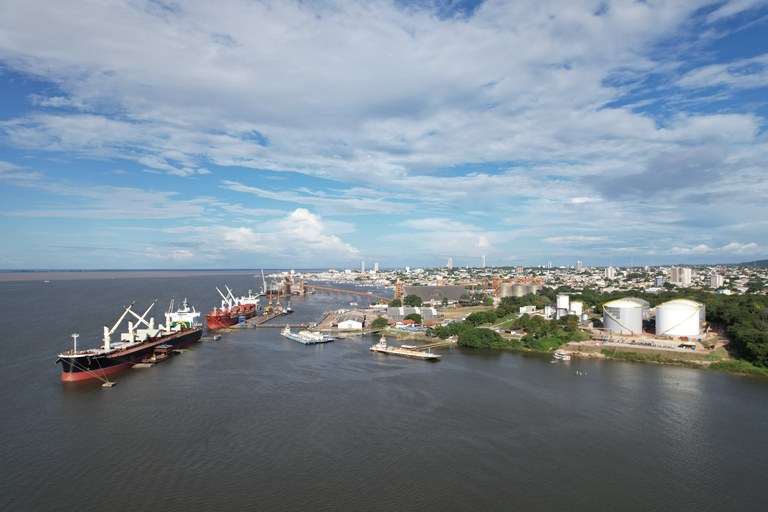
The North region recorded the highest port growth in the country in January 2026, with a 42.11% increase in cargo handling compared to the same period last year. In total, 11.5 million tonnes were handled, a performance superior to other Brazilian regions. The figures come from the Waterborne Statistics of the National Waterborne Transport Agency (Antaq).
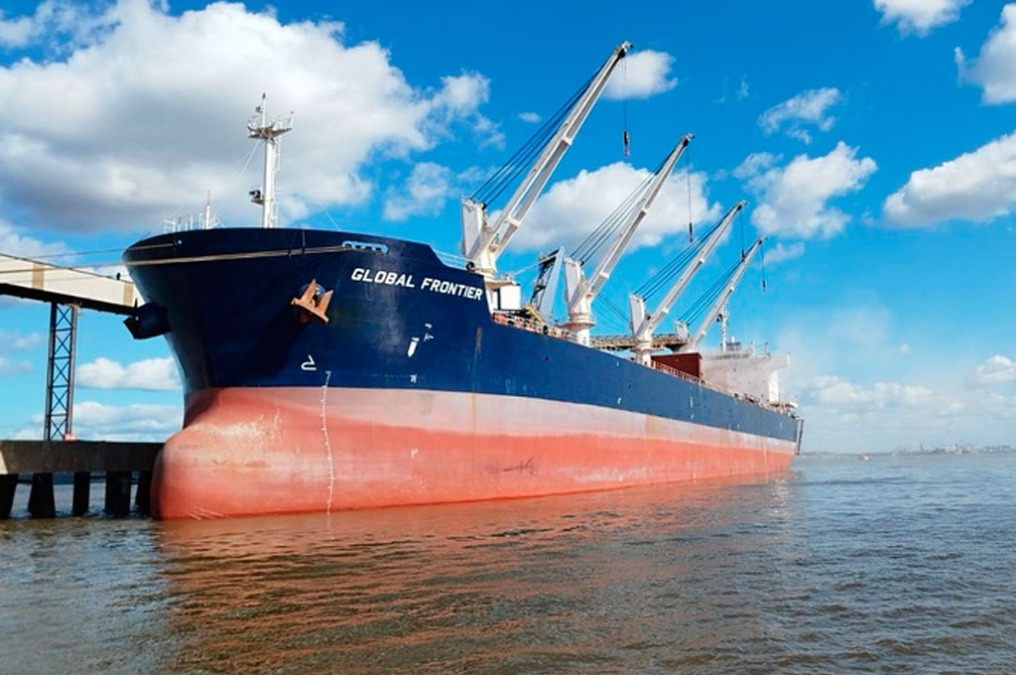
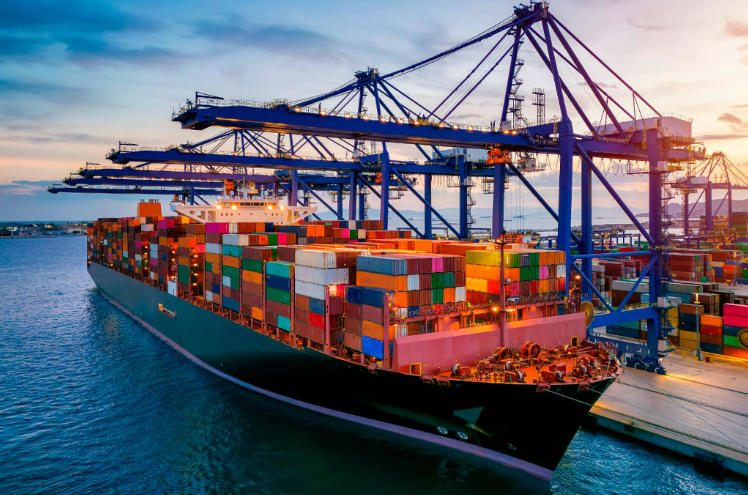
Growth was driven mainly by solid bulk, which totaled 8.4 million tonnes, an increase of 53.23%. Containers also registered gains, with 1.1 million tonnes (+31.14%), and liquid bulk, which reached 1.4 million tonnes (+8.78%).
For Minister Silvio Costa Filho, this performance reflects a structural shift in Brazilian logistics. "The growth of Northern ports shows that Brazil is advancing in diversifying its export routes. With greater efficiency, lower logistics costs, and proximity to international markets, the region is consolidating itself as a strategic axis for the country's economic development," he stated.
Among the main products handled, soybeans and corn led the performance. Soybeans totaled 2.2 million tonnes, with growth of 192.47%, while corn reached 2.6 million tonnes, an increase of 112.17%. Together, the two commodities represent more than 40% of all cargo handled in the region.
Other highlights include bauxite, with 2.2 million tonnes (+21%), and containerized cargo, which also showed significant growth (+31.14%). The performance tracks the harvest advance and increased use of Northern ports as the preferred route for exports.
Exports on the rise
Foreign trade was one of the main drivers of the result. Exports grew 66.56% in January, while imports registered an increase of 4.61%. The advance reinforces the region's export vocation and its importance to Brazil's trade balance.


In deep-sea shipping (between ports of different countries), cargo handling reached 4.6 million tonnes, an increase of 43.9%. Cabotage (between domestic ports) handled 1 million tonnes, growth of 17.24% in the period.
Public and private ports
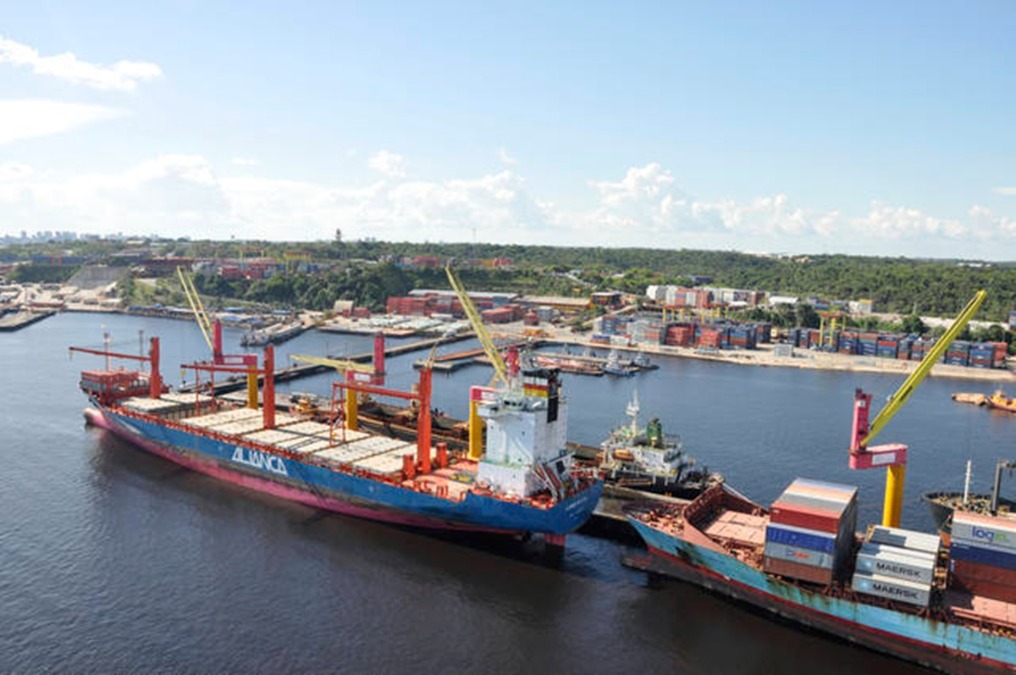
The region's performance was driven by both public ports and private terminals. Among public highlights are Santarém (PA) and Vila do Conde Terminal (PA), each with approximately 1.6 million tonnes. Among private terminals, Trombetas Terminal (PA) stood out, with growth of 29.94%; Hermasa Bulk Terminal (AM), with an increase of 18.82%; and Porto Chibatão (AM), which grew 34.73%, showing the complementarity between different operating models.
Private terminals played a decisive role in the North region's port performance, concentrating the majority of cargo handling, with approximately 7.7 million tonnes, roughly two-thirds of the total. Among the main highlights are Trombetas Terminal (PA), with approximately 1.0 million tonnes, Hermasa Bulk Terminal (AM), with 0.98 million, and Porto Chibatão (AM), with 0.76 million, all with significant growth in the period.
With operations focused mainly on solid bulk handling, which totaled 5.5 million tonnes and grew 57.49%, these terminals drove commodity exports such as soybeans, corn, and bauxite, which led cargo volumes. The advance is also directly linked to deep-sea growth, which increased 45.07%, and exports, which registered an increase of 57.08%
When looking only at public ports, cargo handling reached 3.8 million tonnes, with growth of 50.24%, reinforcing the role of these structures in regional logistics dynamics.