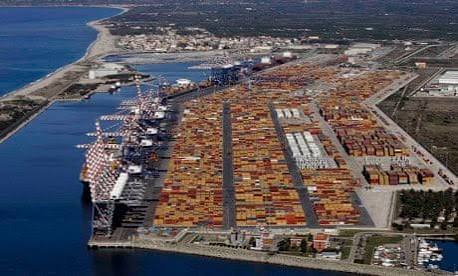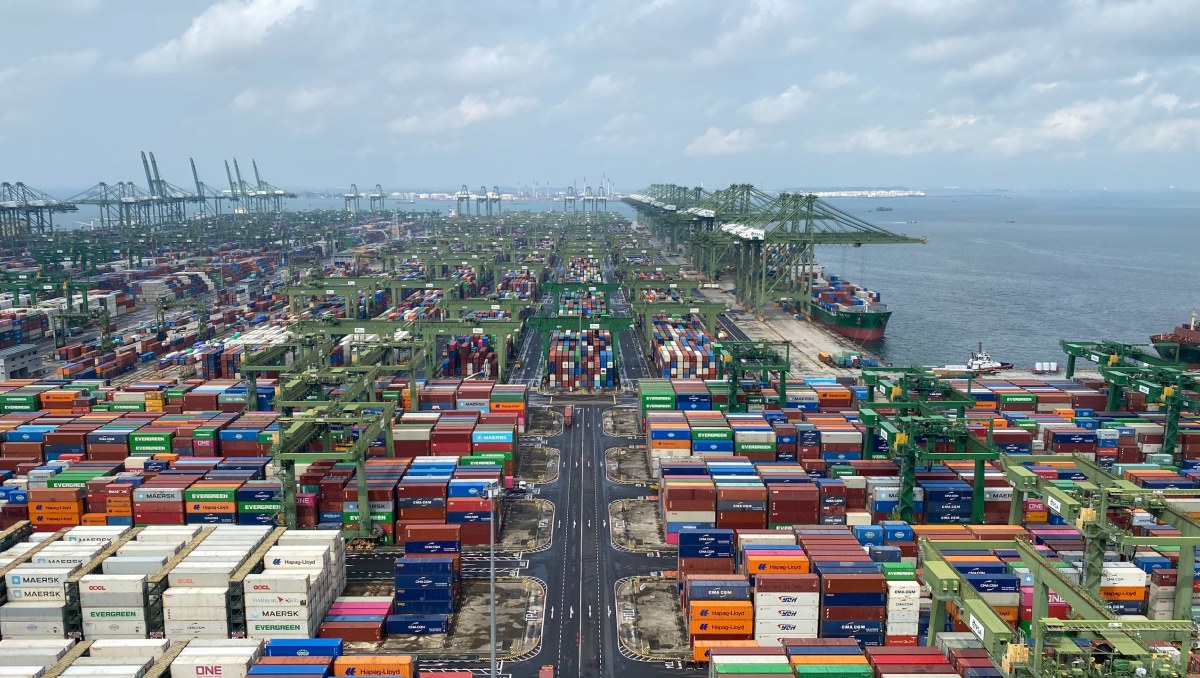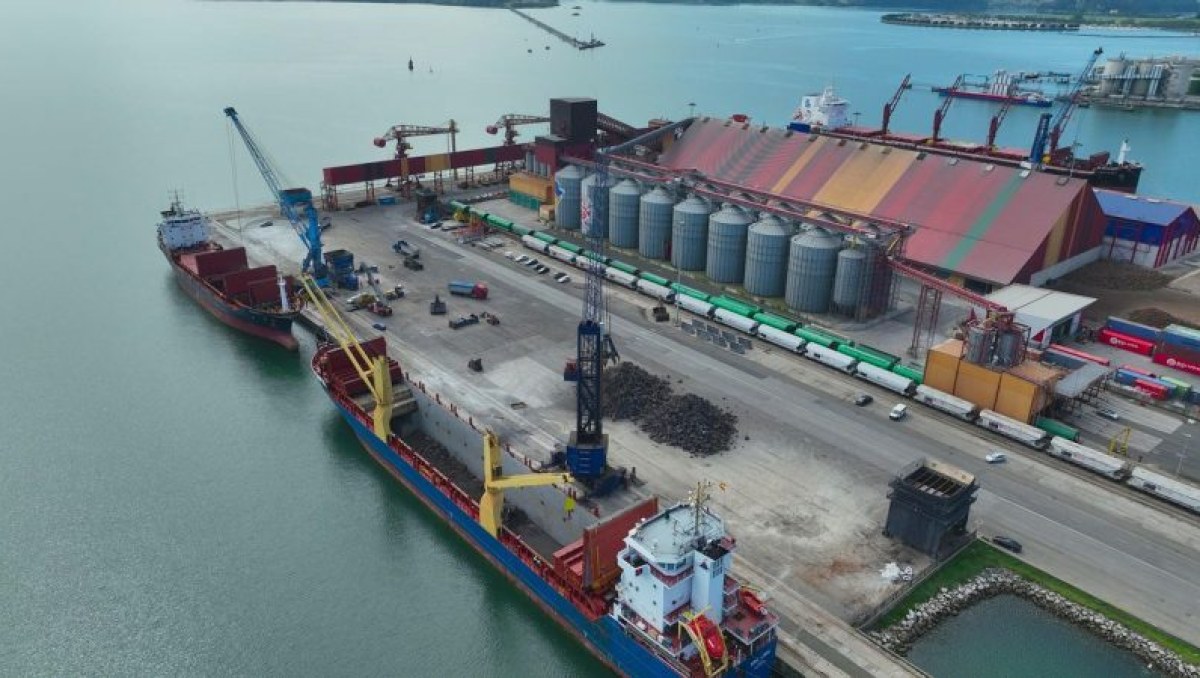
The World Shipping Council (WSC) praised, on Wednesday (4), the focus announced by the European Commission on strengthening port security and advancing maritime decarbonization in its EU Port Strategy and Maritime Industrial Strategy. On security, the entity supports the strong emphasis on combating organized crime and protecting key access routes to European trade, advocating for public-private partnerships and information sharing between authorities, shipping companies and other sector partners.
The president and CEO of the WSC, Joe Kramek, stated that European ports and maritime supply chains are only as secure as their weakest link and that without public-private cooperation and implementation across all Member States, criminal activity will migrate elsewhere. "Recent events have reminded us, once again, that European maritime and commercial resilience goes far beyond its coastline. The strategies correctly recognize the importance of ensuring navigation safety along major maritime routes to keep trade moving," he said.
Joe Kramek also praised the Port Strategy's focus on the availability of renewable fuels, the multi-fuel approach and the acceleration of renewable energy use ashore. "Container liner shipping has invested more than 125 billion euros in more than 1,100 dual-fuel ships delivered or on order. Port infrastructure must match the fleet investment with fuel supply and electrification," Kramek added.


The WSC also welcomed the recognition, in the Maritime Industrial Strategy, of the need to simplify EU ETS and FuelEU Maritime requirements. But it stressed that these strategies are not sufficiently comprehensive in simplifying trade to support the European Union's competitiveness agenda, noting that container liner shipping services move approximately 2.5 trillion euros in trade every year, yet ships can still be required to submit up to 1,200 data elements for a single port call.
According to the Council, the full implementation of the EU Maritime Single Window, planned for last August, could save between 2.2 and 2.5 million working hours per year. According to the entity, intra-EU maritime trade still faces customs barriers at external borders, which makes trade within Europe more difficult than it should be.
Joe Kramek stated that, in a true single market, the transport of goods by ship within Europe should be as simple as transport by truck. "Reducing customs barriers and administrative obstacles would be one of the fastest ways to strengthen Europe's competitiveness, and we would welcome clearer action in this area," he said.