I partially attended the Public Hearing held by the State Environmental Council (Consema), part of the analysis process for the Expansion II project of the Luiz Antonio Mesquita Port Integration Terminal (Tiplam), operated by VLi/Ultrafértil.
Initially, the Consema representative clarified the objectives and organization of the event. She detailed the time limits to be observed by those formally requesting the right to speak, in addition to establishing what was permitted or prohibited—a kind of code of conduct to be observed by questioners and the audience. She also introduced the representative from the licensing agency (CETESB) present.
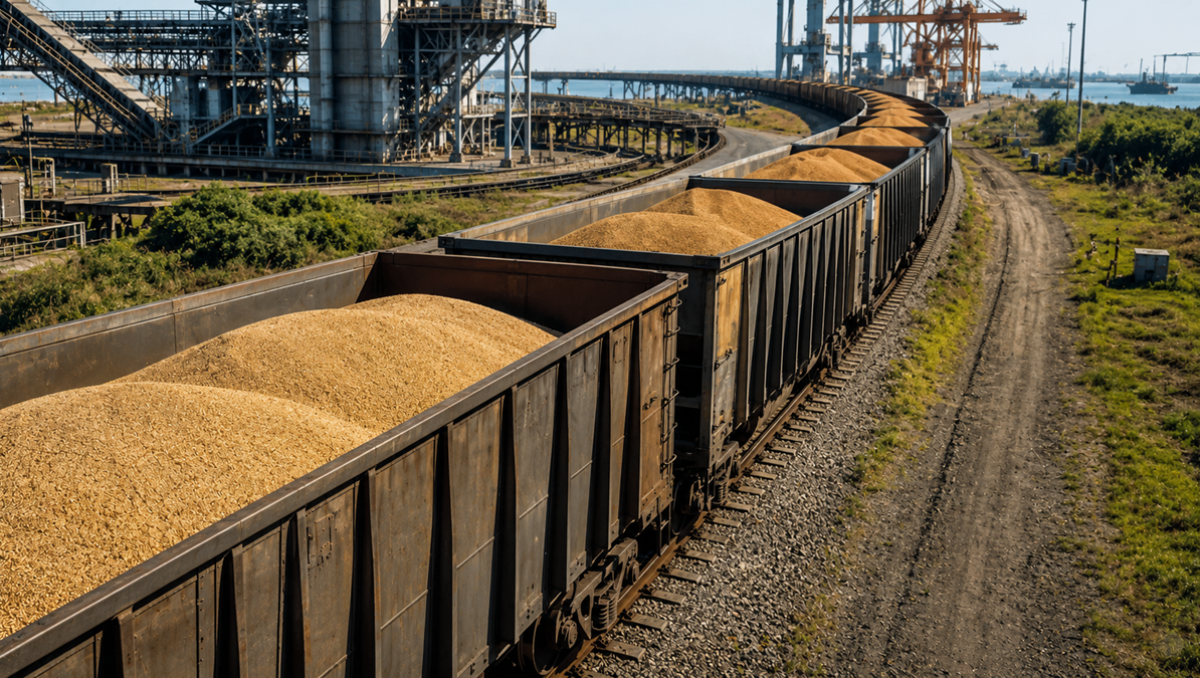
Next, a VLi director presented the project. He showed some data that drew positive attention: 4,000 jobs to be generated during construction, 600 during the operational phase, and expansion of the terminal's cargo-handling capacity from the current 17 million to 45 million tonnes per year.
Added to TECON Santos 10, the expansions planned for public and private port terminals, the TUPs to be implemented in the region, and the deepening of the navigation channel, it is possible that Santos Port may reach a capacity to handle around 300 million tonnes in the medium term! Not to mention the potential implementation of port-industry activities near the port complex and offshore port facilities.
Next, the company responsible for environmental licensing began detailing aspects of the EIA/RIMA.
The scope of the material, covering socio-environmental aspects in its multiple dimensions, demonstrated adequate mitigation and compensation measures, including considering impacts that may affect fauna, flora, and artisanal fishing activities.
The expansion also includes the implementation of berthing facilities and their approaches at the mouth of the Quilombo River.
Given the scale of the project, it will be constructed in stages, with the advantage that the land portion is located within terrain owned by the developer.
Returning to the topic of hiring the necessary workforce, he stated that the priority will be to hire local personnel.
After the project presentations ended, the questioning phase began, with the first statement to come from the Public Ministry, which did not send a representative.
I recall hearing more than once that it is important for Public Ministries to participate in the initial phases of processes, to reduce the risk of later legal challenges.
It seems it was not the case this time.
The first statement from the audience came from a union leader.


He praised the project but raised a concern about a social issue that remained pertinent to me.
In his remarks, he noted that job creation is welcome, as is prioritizing the hiring of personnel from the region. However, given the number of jobs projected for both the implementation and operational phases, it is necessary for the region's universities and technical schools to organize themselves to provide adequate training for the required professionals.
Indeed, there have been situations where some projects have needed to hire personnel from other regions and even from abroad to meet the requirements necessary for the performance of specialized functions.
Does the region have technical schools and universities equipped to provide this training? This depends on the qualifications required, but it does not seem to be the main issue.
``` ```htmlWill there be sufficient personnel in the region to meet this demand? If so, is the type of employment to be generated attractive to this workforce?
The union leader noted that, like other ventures, there has already been recruitment of personnel from other regions.
In the case of the implementation work, will there be real estate availability to accommodate these people while it lasts?
This concern also encompassed possible impacts on the local economy, including the capacity to provide necessary continuous services across various sectors.
This work will not be the first large-scale project to be carried out in the region, but the concern is valid in a broader sense, as it will occur simultaneously with others of similar scale, such as the Third Lane of the Imigrantes, the overpasses planned between the neighborhoods of Alemoa and Valongo, and the implementation of TECON Santos 10.
Thus, in addition to demands for professional training, the cities will also need to prepare for this scenario.
I was unable to follow the remaining remarks or the conclusion of the hearing, but that first intervention seemed important to me to consider.
```