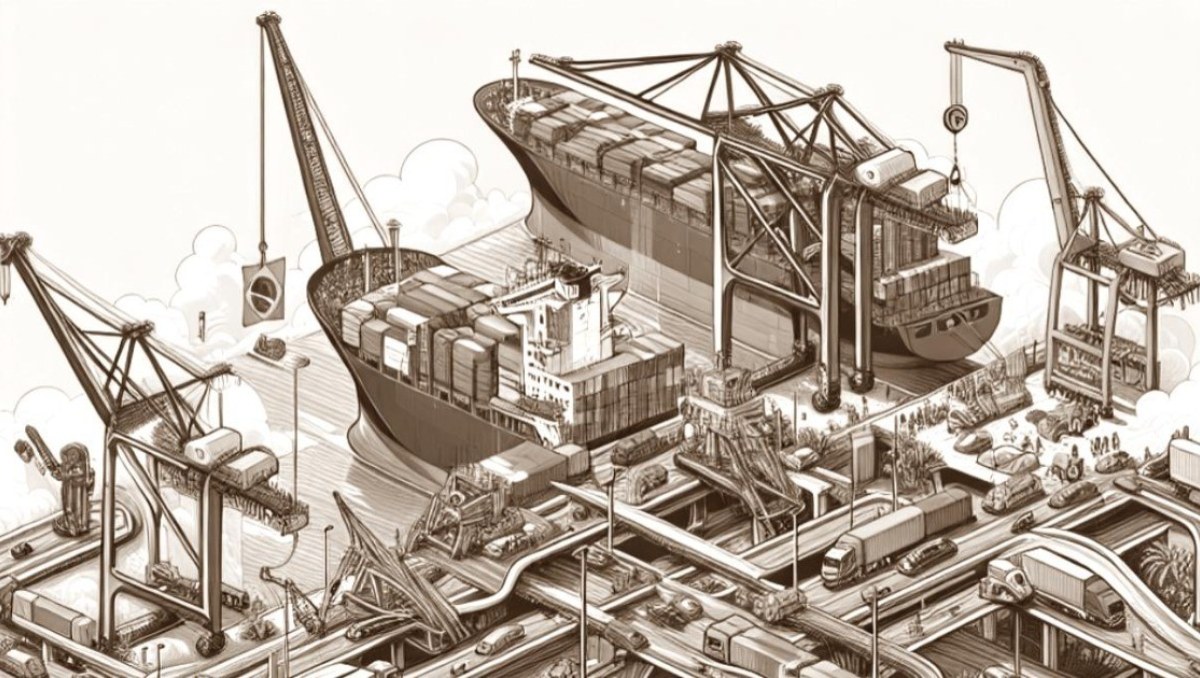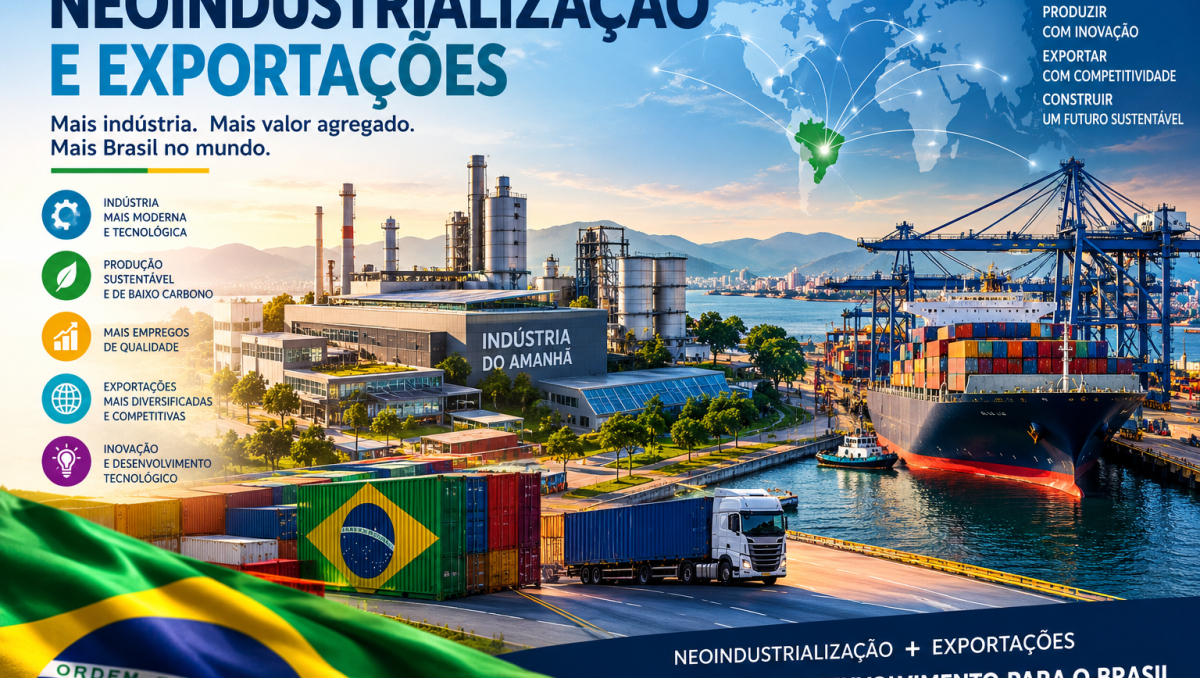

Brazilian ports are no longer merely logistics structures. Today, they represent economic competitiveness, industrial development, job creation, international integration, and strategic security for Brazil.
In this scenario, Santos Port and São Sebastião Port play a fundamental role in the country's growth. They are assets that move billions, connect production chains, and directly influence the performance of Brazilian industry, agribusiness, logistics, and foreign trade.
That is why it is increasingly important that the Federal Senate has representatives who understand, in practice, the complexity of the port sector.
Understanding infrastructure, dredging, concessions, logistics, urban mobility, railway integration, regulation, the environment, and port expansion cannot be merely technical discourse. It requires hands-on experience, dialogue with the productive sector, and real understanding of the impacts that political decisions have on port operations and the national economy.
Furthermore, a senator with deep knowledge of the port sector can be the decisive point in institutional coordination with the National Agency for Waterway Transportation and the Court of Accounts of the Union, helping to unblock processes that often remain in progress for years and are fundamental to Brazil's development.
Expansion projects, contract renewals, new leases, infrastructure investments, and logistics modernization depend directly on legal certainty, institutional alignment, and political negotiation capacity. When these agendas advance, it is not just the port that grows: the country's competitiveness grows, job creation grows, and Brazil's capacity to compete in global markets grows.


Having a senator aligned with port agendas means strengthening investments, accelerating structural projects, defending Brazilian competitiveness, and ensuring that strategic regions, such as the Baixada Santista and the North Coast, have an active voice in major national decisions.
Brazil needs to transform its ports into a State priority. And that begins with political representation that is prepared, technical, and connected with the reality of the sector.
The future of the Brazilian economy passes through the ports. And the ports need to be represented by those who truly understand their importance.
*Article written by André Ursini, CEO of WordCom Publicidade
```