A reflection on the problems and possible solutions for our ports
When we think about Brazil and the size of our country, it's easy to understand how ports are fundamental to our economy. With over 30 organized ports spread along more than 7,000 km of coastline, these structures are the main gateways through which nearly all the goods we import and export pass.
It is in these terminals that the country connects its production to the world. But despite this importance, many of these ports still face major challenges and have much to improve in order to deliver all the efficiency that Brazil needs.
It's about this subject that we're going to talk about today! Happy reading!
I will try to be as clear and direct as possible in this reflection which, in the end, you may consider an article with a more straightforward and accessible view on the topic, which I would personally define as a simplistic view.
- Subscribe to the Jornal Portuário channel
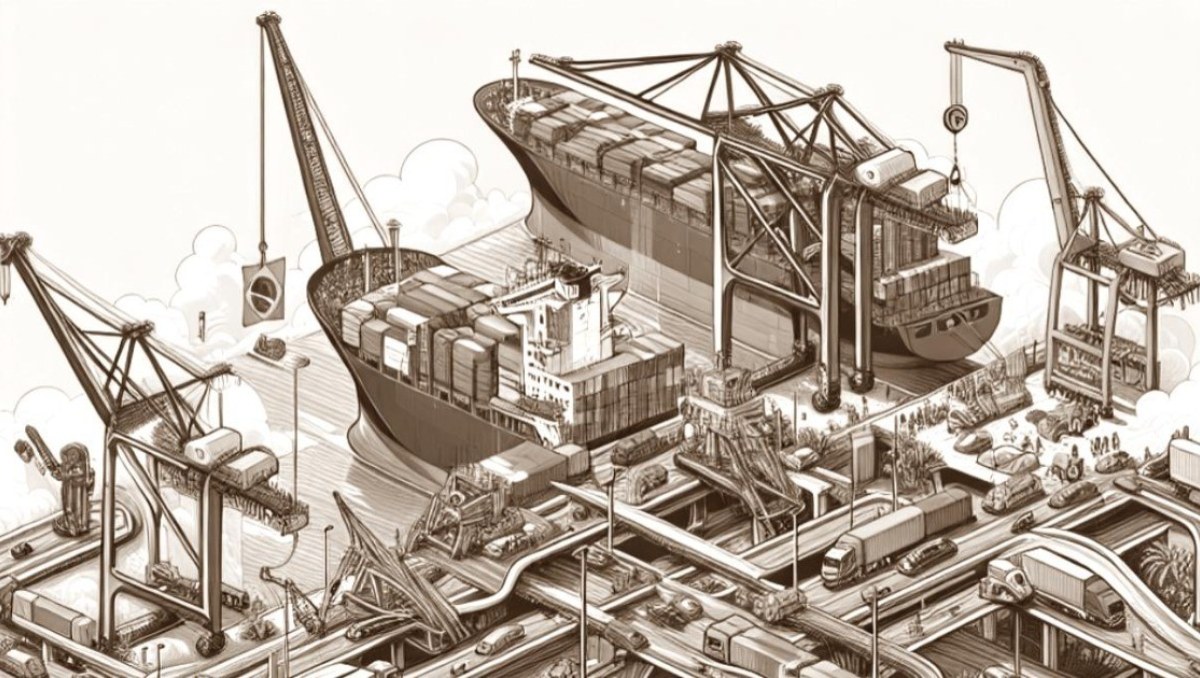
First, it's important to note that over 90% of our foreign trade passes through ports. That already gives you an idea of how strategic they are. But what we see day to day is that many of them don't have adequate infrastructure for the growing volume of cargo. The result? Enormous truck queues, ships waiting to unload, and a lot of extra cost that nobody wants.
Take the Port of Santos, for example, the largest in Latin America. It seems to always be full, with trucks on the road waiting to enter. This causes delays that affect the entire production chain. The Port of Paranaguá, which deals heavily with grain, suffers from slow processes that harm producers and the entire surrounding economy. And down in Rio Grande, the lack of modern technology makes processes that could be quick turn into real headaches.


So, what can we do? Invest more in infrastructure. Would that be the solution? Yes, but not just that. Technology can help a lot—intelligent management systems, for example, can cut those queues and speed up operations. And better integrate transportation modes, like railways and highways, so merchandise moves without those annoying bottlenecks.
- Join the group on WhatsApp
A fundamental point we need to be clear about is that none of this will really happen without effective public management, transparency, agility in decision-making, and a solid partnership with the private sector. These are the key elements for these improvements to go from paper to actually working day to day. And we can't be cynical: many advances have already been achieved, both by the public and private sectors, and it's important to recognize the effort that exists.
At the end of the day, we don't need to be experts to realize that success goes far beyond the logistics chain. They are, in fact, competitive challenges, dynamic and connected to the world. And the truth is that when the dots connect, the economy thrives and we all reap the benefits. Even those who can't even imagine how much they depend on these ports.
The question I leave to sharpen your own reflection is: are we really ready to turn these obstacles into real opportunities for transformation?
```