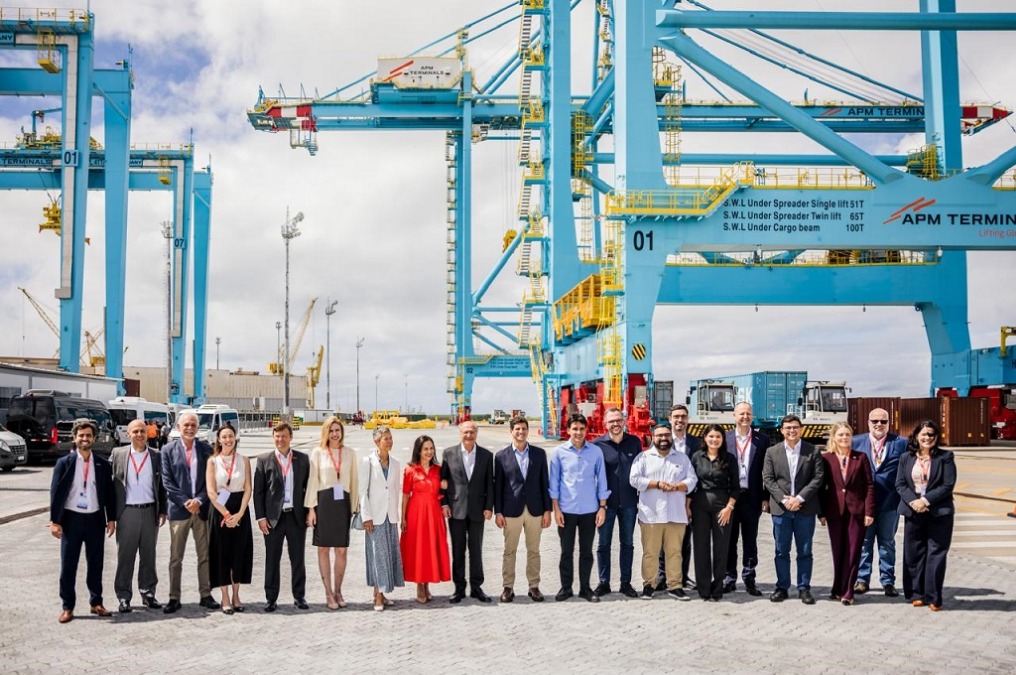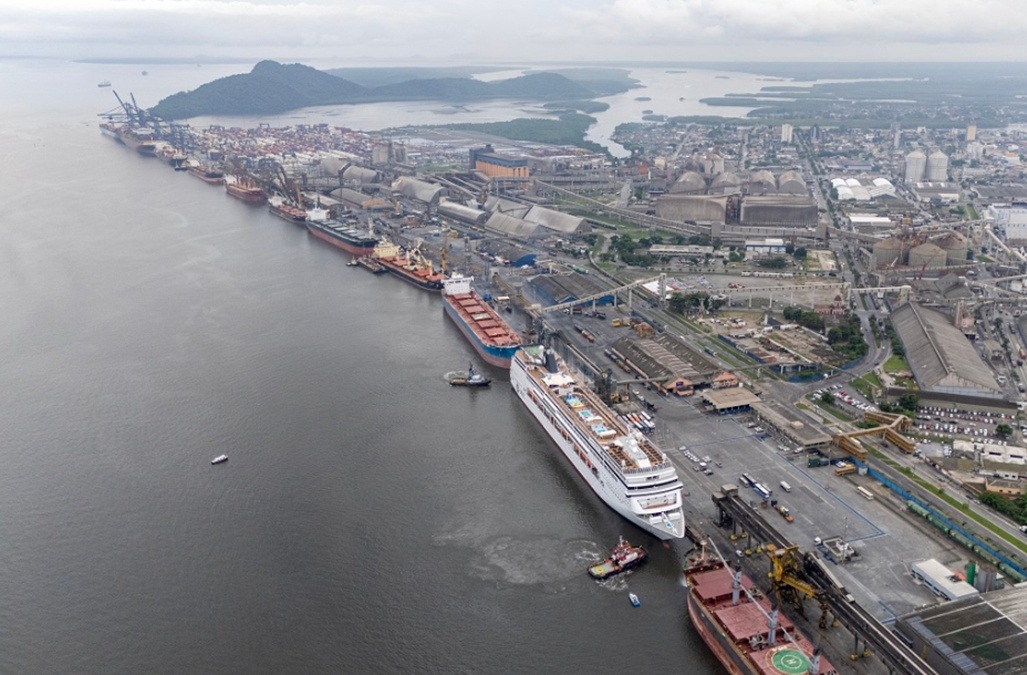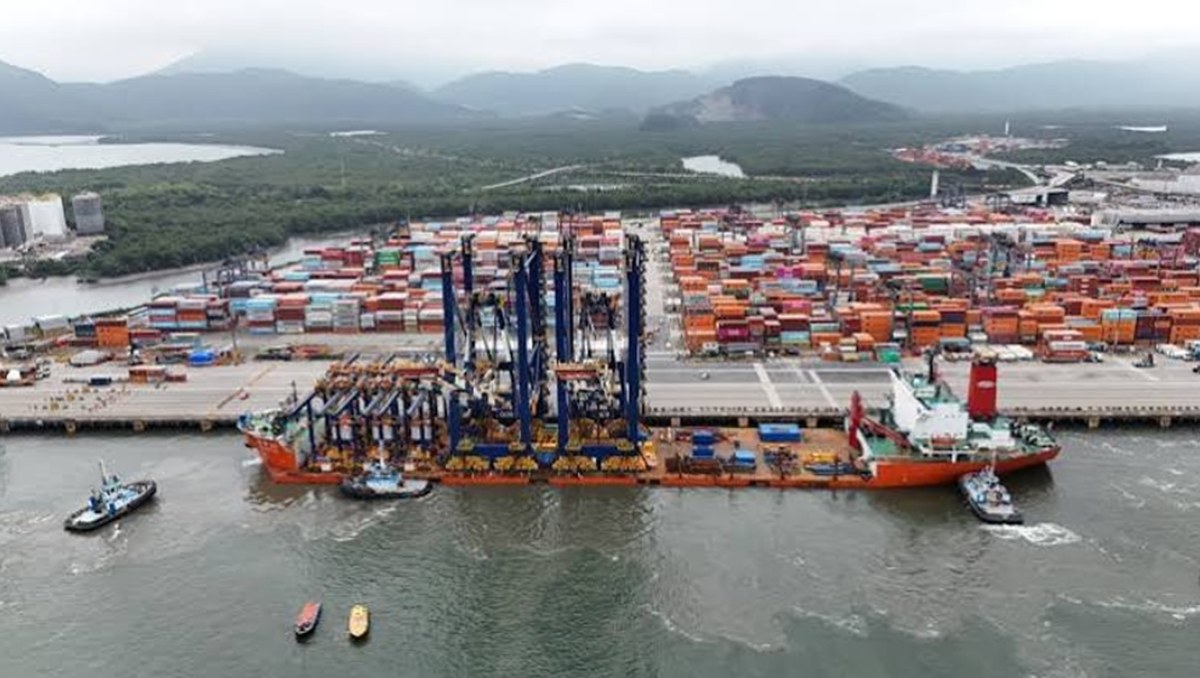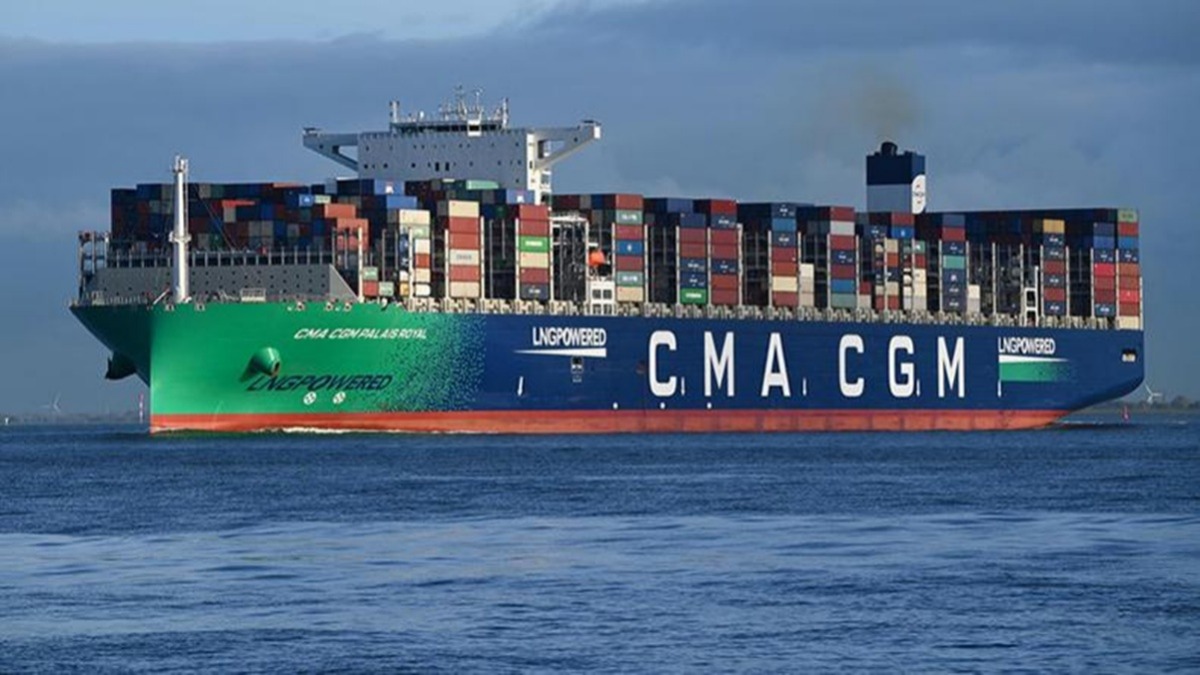
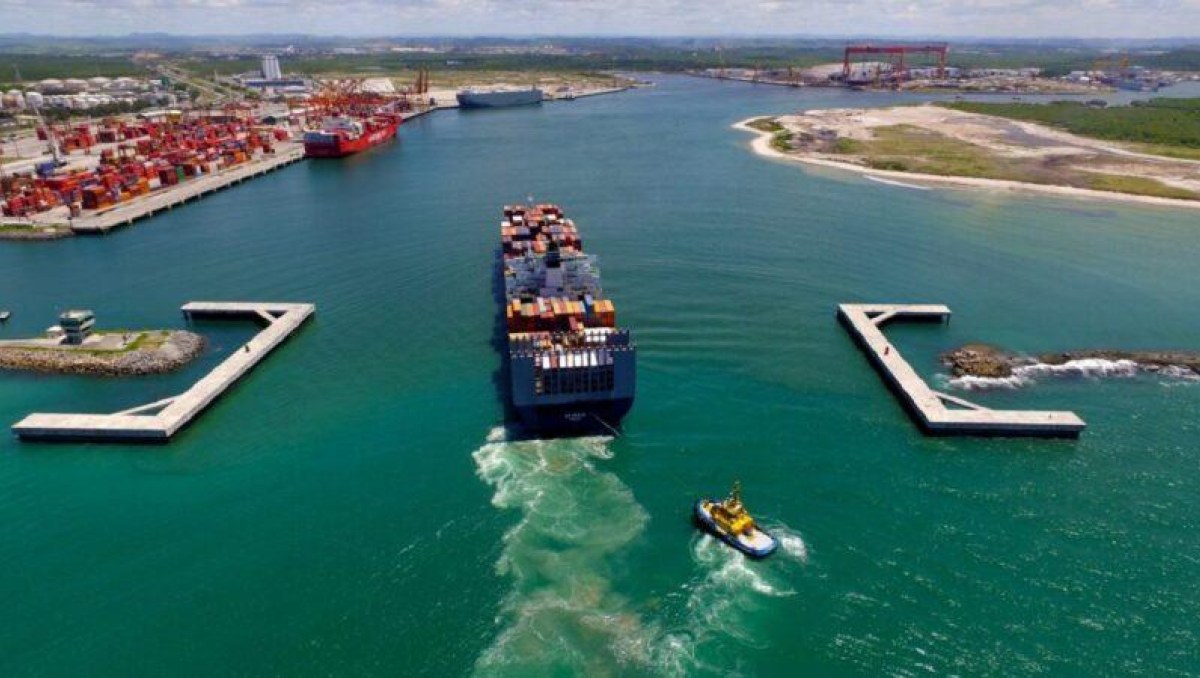
APM Terminals' new terminal in Suape officially moved out of the implementation phase to enter the map of commercial operations. The debut occurred with the call of the container ship Maersk Ganges, marking the beginning of a facility that promises to expand Pernambuco's logistics capacity and reshape competition for cargo in the Northeast.
Official ship movement records show that the vessel berthed at the new terminal in the afternoon of September 1st and completed its call at Suape the following day. The ship operates in the ALCT2 cabotage service, which connects different regions of the Brazilian coast.
The line serves the ports of Pecém, Salvador, Santos, Itapoá, Rio Grande and Imbituba, in addition to Suape. The schedule calls for two weekly calls at the Pernambuco terminal, increasing the availability of windows for loading and unloading of domestic cargo.
Investment exceeding R$ 2 billion
The project received more than R$ 2 billion in investments and begins operations with the capacity to handle up to 400,000 TEUs per year. According to projections released, the new facility could increase the container capacity of the Suape Port Complex by approximately 55%.
The terminal occupies an area of approximately 495,000 square meters and has a quay 430 meters in length. With a depth of up to 15.5 meters, the facility was designed to receive large vessels employed on major international routes.
The facility also has static capacity of approximately 12,000 TEUs and more than 300 reefer container plugs, an important segment for exports of fruit, food and other perishable products from the Northeast.
Electric operation and remote control
APM Terminals presents the unit as Latin America's first fully electrified container terminal. The main quay and yard equipment uses electrical power and can be operated remotely.
The facility also incorporates automated gates, integrated scales, scanners and digital systems aimed at controlling operations. Electrification tends to reduce local emissions, noise and fossil fuel consumption during internal container handling.
This does not mean, by itself, that all operations are emission-free. The environmental outcome will also depend on the source of the energy used and other logistics activities linked to the terminal. Nevertheless, the project sets a new technological standard for the Brazilian port sector.


New competitive configuration
APM Terminals' entry expands container infrastructure offerings at Suape and creates new alternatives for shipowners, importers and exporters.
The terminal begins with the goal of serving the Pernambuco market and functioning as a connection point for cargo from the North and Northeast. Suape's location, close to major Atlantic shipping routes, can also help attract new international services.
The capacity expansion could pressure operators to review prices, productivity and quality of services. For port users, a greater supply of terminals can represent more commercial alternatives, provided that balanced conditions of competition and access to shipping lines exist.
From inauguration to actual operation
The terminal had been officially handed over in June, when it was still going through the final stages of operational preparation. The call of the Maersk Ganges represents a different milestone: the effective beginning of service to commercial ships.
Now, the challenge will be to turn installed capacity into recurring volume, win new customers and expand Pernambuco's maritime connectivity.
The arrival of the first ship opens this new phase. Suape gains capacity, technology and a new competitor in container handling — ingredients that can reshape part of the Northeast's port logistics.
From the Newsroom — Jornal Portuário
```