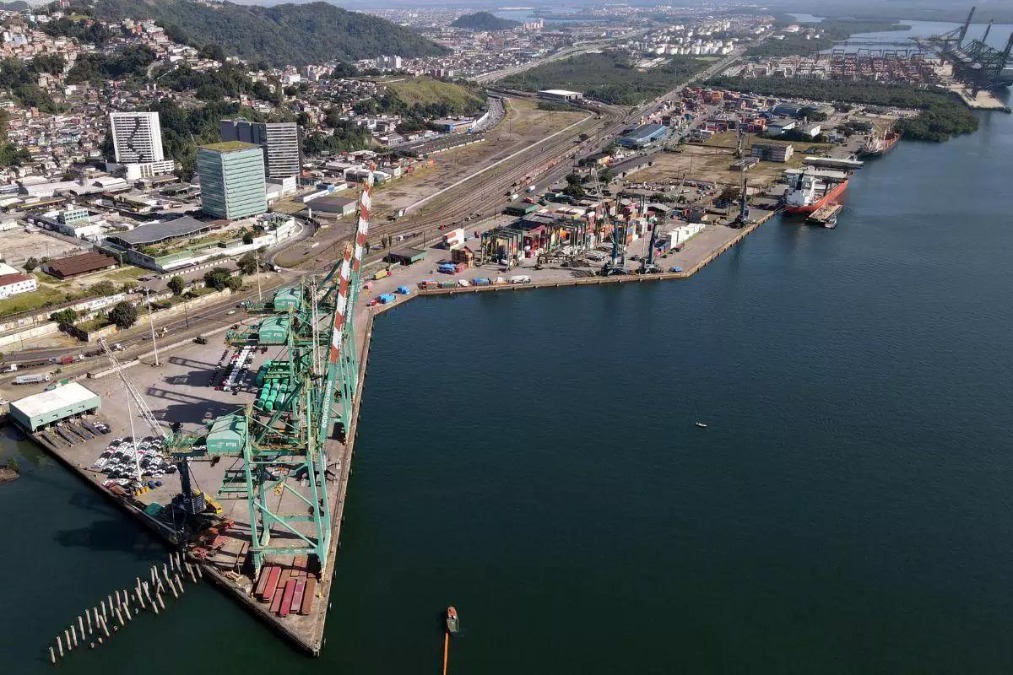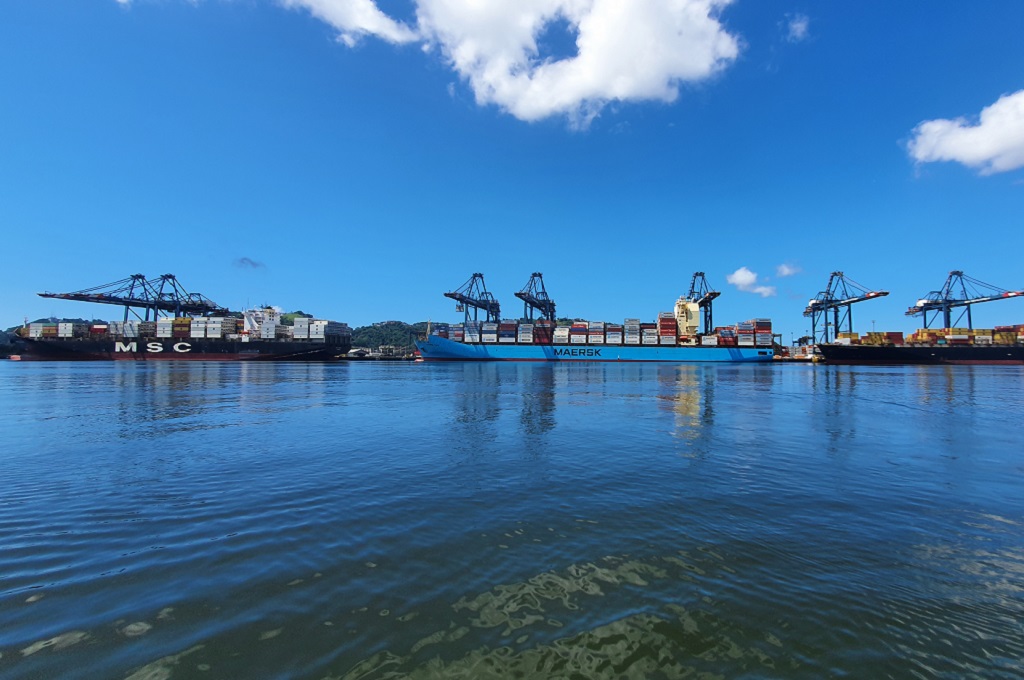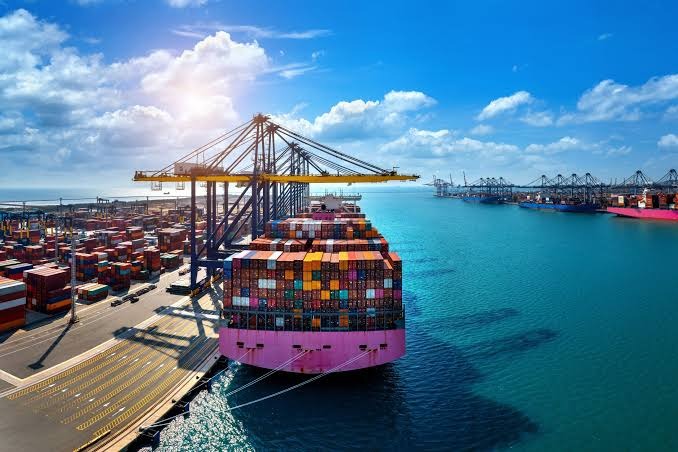
Brazil's Council of Coffee Exporters (Cecafé) has reiterated concerns about the conditions laid out for a port terminal auction following a statement by the National Agency for Waterway Transport (Antaq) on the process. According to the entity, some restrictions maintained in the model may limit competition and reduce logistics efficiency for exports.
According to Cecafé, a competitive environment is fundamental to expand investments, stimulate productivity gains, and offer better conditions for port infrastructure users. The entity believes that excessively restrictive rules could decrease the number of interested participants and affect market dynamics.
The issue gains relevance at a time when Brazil seeks to expand its logistics capacity to meet growing exports, especially of agricultural commodities. Coffee is among the products that depend on efficient port operations to maintain competitiveness in international markets.
Industry experts assess that the definition of rules for port concessions and leases needs to balance different objectives. On one hand, ensuring legal certainty and predictability for investors; on the other, preserving competition and ensuring favorable conditions for shippers and logistics operators.
Antaq, responsible for regulating the waterway sector, plays a central role in developing bidding models and defining criteria that guide competitive processes. The agency's decisions typically go through public consultings and technical analysis before tenders are held.


For export chain representatives, refining the rules can help expand the efficiency of Brazilian ports, reduce logistics costs, and strengthen the country's position in foreign trade.
The outcome of the discussions will be closely followed by port operators, investors, and exporters, since the model adopted could influence future infrastructure auctions and the competitive environment in the sector.
Jornal Portuário Analysis
The debate highlights one of the main challenges of Brazilian port policy: reconciling private investment with a healthy competitive environment. In a scenario of growing agricultural exports, regulatory decisions on leases and concessions may directly impact the ports' capacity to meet demand and reduce logistics costs throughout the chain.
```