About 90% of fuel consumed in states in Brazil's North region, such as Amazonas and Pará, depends on river transport at some point in the distribution chain, according to data from the Brazilian Institute of Oil and Gas (IBP). In the region, rivers function as the main logistics route for delivering gasoline and diesel to distribution centers and inland cities.
This strong dependence on river navigation occurs against a backdrop of oil price fluctuations and debates over fuel supply in the country. In the Amazon, waterways are fundamental to ensuring that fuel reaches remote communities and maintains the functioning of economic activities and power generation systems.
For Otto Burlier, national secretary of Waterways and Navigation at the Ministry of Ports and Airports (MPor), waterways are essential to ensure regular supply in the region. "In the North region, rivers function as true supply routes. Much of the fuel that reaches inland cities depends on river navigation. That's why keeping waterways in good condition is fundamental to guarantee logistics security and regular supply to the population," he said.
River logistics in the Amazon
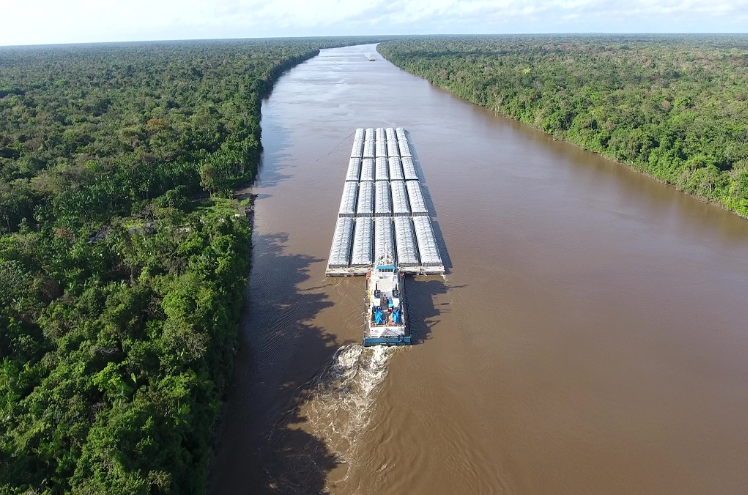
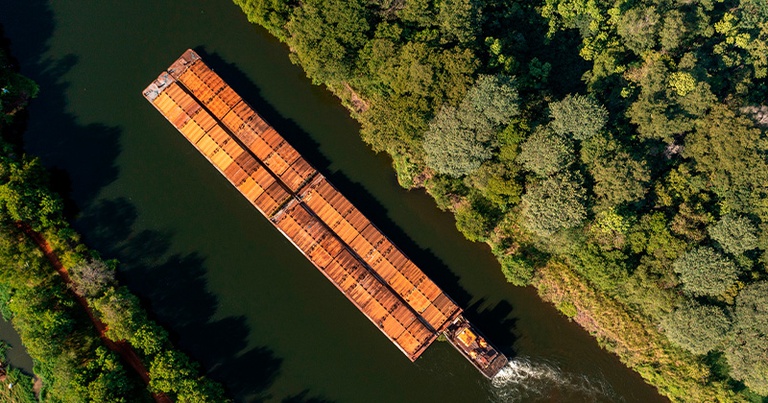
In practice, fuel supply in the Amazon occurs through an integrated logistics system. The product arrives by large oceangoing vessels at port terminals and, from those points, is redistributed by barge convoys that travel along the Amazon rivers to distribution centers and inland cities.
According to Carlos Orlando Enrique da Silva, executive director of Downstream at the Brazilian Institute of Oil and Gas (IBP), this waterway system functions as the backbone of fuel distribution in the region. "The waterway mode is the backbone of logistics in the North. Fuel arrives by ship at terminals and, from there, proceeds by barge to regional distribution centers," he explains.
The scale of this logistics can be observed in strategic corridors. In just the waterway stretch between Miritituba and Santarém, approximately 1.2 million cubic meters of fuels and biofuels are transported annually.


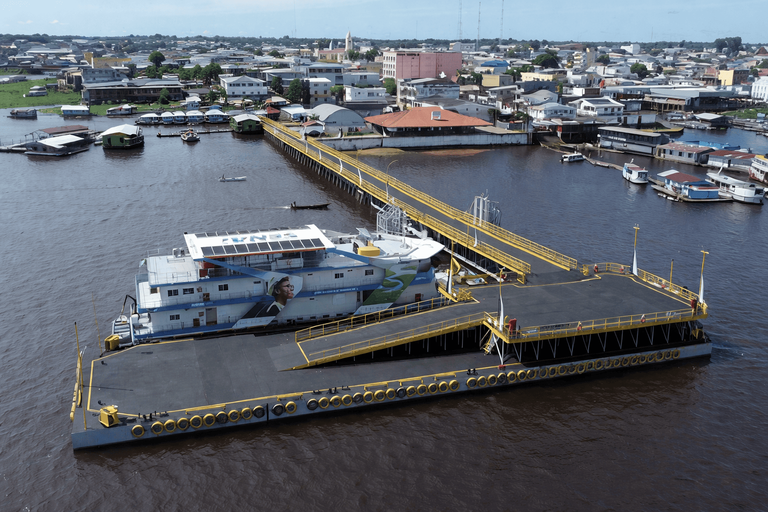
In states such as Amazonas, Pará and Rondônia, navigation sustains the functioning of gas stations, commercial activities and the supply of fuel for thermoelectric power plants that serve isolated power generation systems. In many Amazon localities, where there is no direct connection by road or rail, rivers are the main logistics alternative.
Floods and droughts influence transport
Fuel distribution in the Amazon also depends on variations in river levels throughout the year. During dry periods, the depth of navigable waterways decreases and vessels must reduce the volume of cargo transported. In situations of more severe low water, barges must navigate with reduced draft, transporting less fuel per trip and increasing logistics costs.
According to Eliezé Bulhões, director of Waterway Management at the Ministry of Ports and Airports, maintaining adequate navigability conditions is fundamental to mitigating the impacts of these variations. "Maintaining navigability of the rivers is essential to ensure supply to the North region, especially during dry periods. The work involves monitoring navigation conditions, maintenance dredging and improving signage to guarantee greater safety and predictability in transport," he states.
To prevent supply shortages during periods of intense drought, companies in the sector typically advance fuel transport during the high-water season. Loaded barges are positioned at logistics hubs such as Manaus and Porto Velho, forming strategic stockpiles to guarantee supply during the dry season.
```