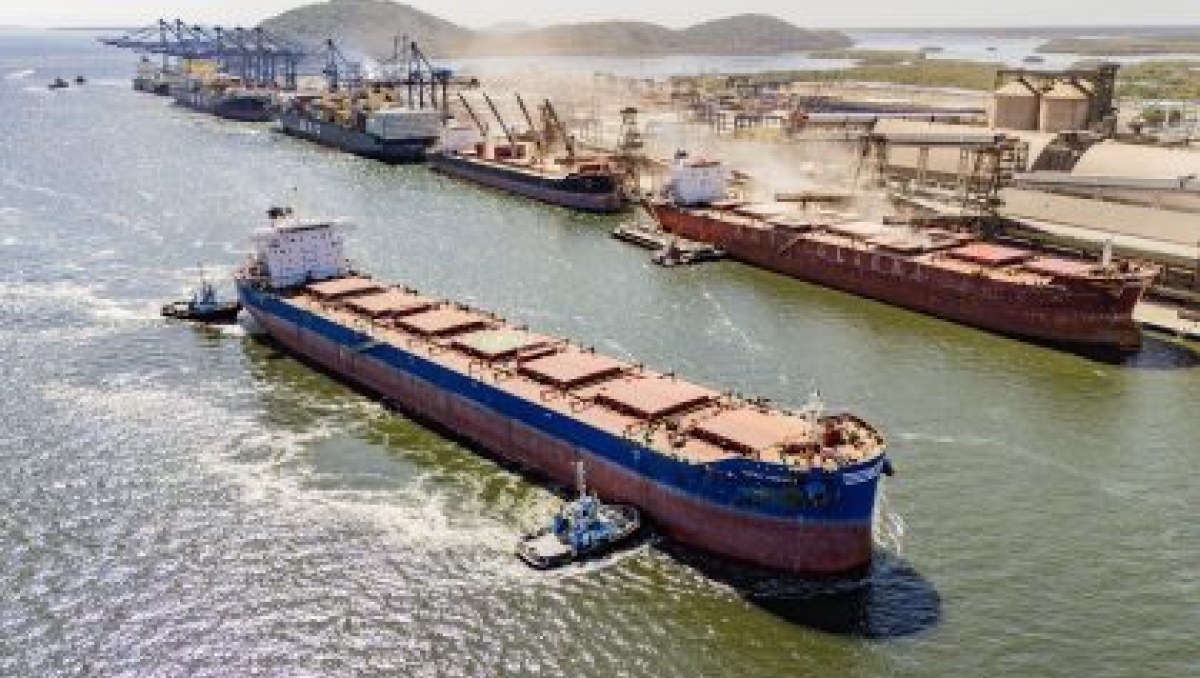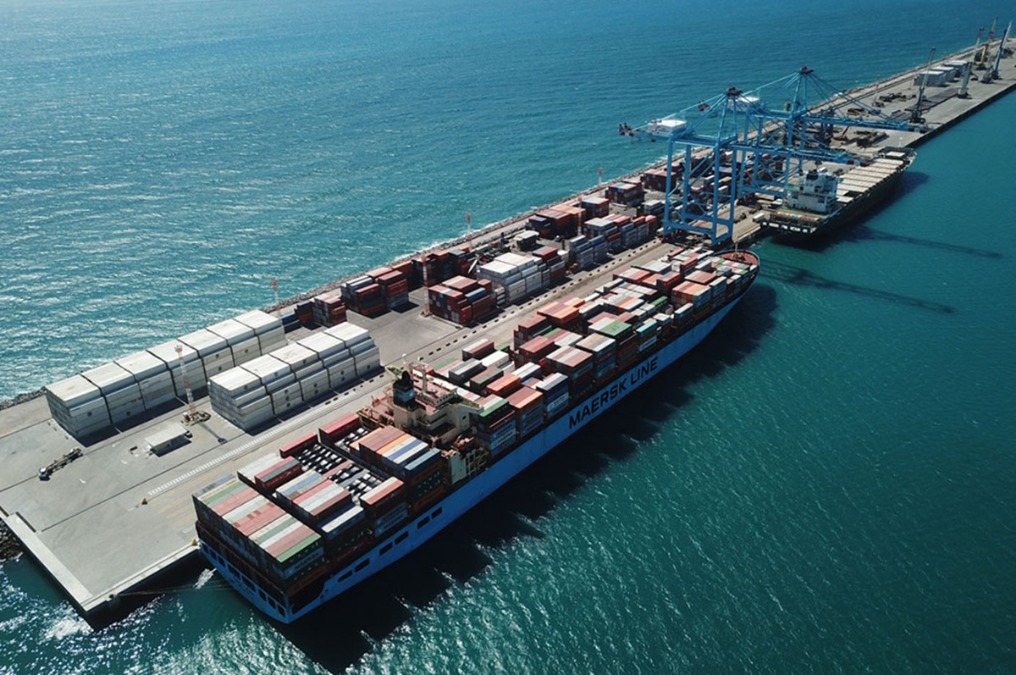
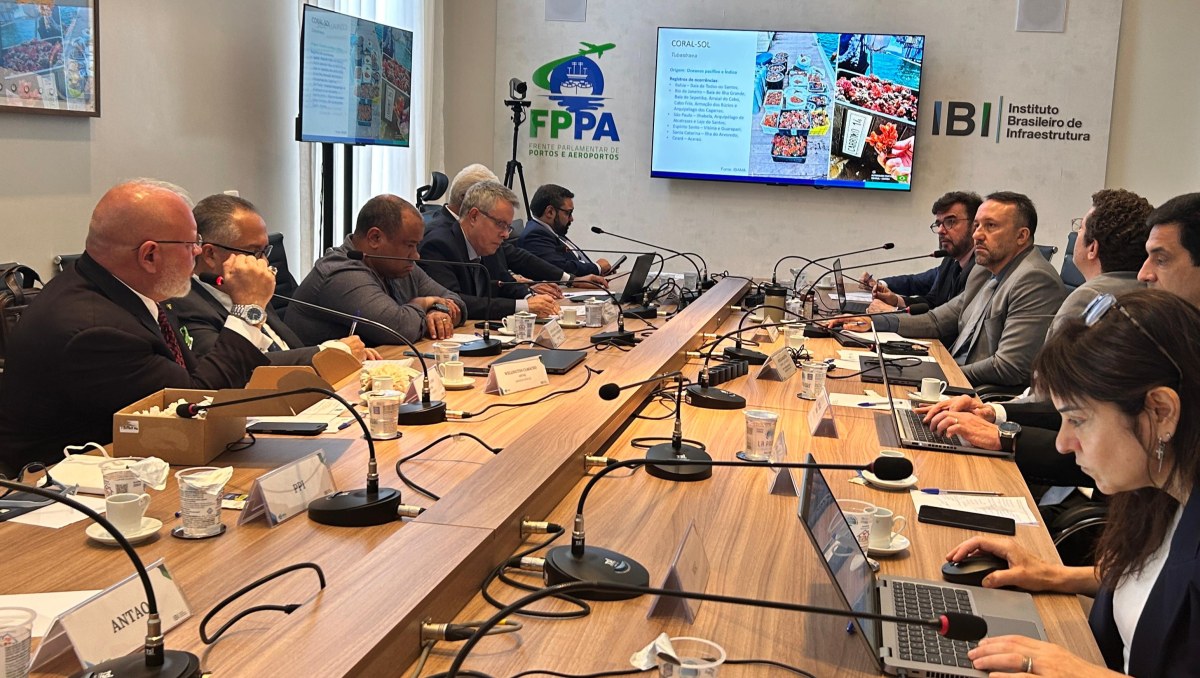
Guidelines and competencies to expand ballast water inspection of ships berthing at Brazilian ports were discussed on Wednesday (2nd) in Brasília, during the Ballast Water Roundtable – Thematic Committee No. 8. The meeting addressed the importance of control to prevent environmental and public health impacts.
Ballast water is used by vessels to ensure stability and safety during navigation. The material is taken in by ships at their ports of origin and may subsequently be discharged at destination ports. When this procedure occurs irregularly or without required documentation and certification, it can pose risks to the environment and public health, including through the introduction of invasive organisms, contaminating materials and other residues into the marine environment.
Among the environmental impacts associated with the spread of invasive species is the proliferation of sun coral, which can alter the balance of coastal ecosystems and affect marine biodiversity. Without natural predators on the Brazilian coast and driven by an accelerated reproduction rate, this organism invades rocky shores and smothers native coral and sponge species, besides releasing chemical substances that prevent the settlement of other living beings.
The changes caused by this species can also compromise the availability of fish and shellfish, with possible effects on communities that depend on these resources. By destroying the natural nurseries of fish and crustaceans, the species directly affects the yield and livelihood of artisanal fishing and shellfish harvesting, turning an ecological problem into a socioeconomic crisis.
During the meeting, the president of the Federal Port Authority – CODEBA, Antonio Gobbo, presented measures being structured by the Company to establish inspection criteria and ensure legal certainty to the Port Authority's operations, in compliance with recommendations arising from a Civil Public Action filed by the Federal Public Ministry.
Gobbo emphasized that CODEBA's operations should occur in an integrated manner and without overlap with the competencies of the Maritime Authority. In this sense, he proposed a partnership with the Brazilian Navy for information sharing, focused on documentary audit related to ballast water management.


National Ports Secretary, Alex Ávila, stressed the importance of the Roundtable in promoting dialogue among different sectors and gathering contributions from representatives of public authorities, private initiative and the scientific community. According to him, the discussion allows for deepening topics that directly impact the port sector and reinforces the role of the National Ports Secretariat in the formulation, planning and implementation of public policies for the segment.
About the event
The Ballast Water Roundtable – Thematic Committee No. 8 was promoted by the Parliamentary Front for Ports and Airports (FPPA), through the Brazilian Infrastructure Institute (IBI). The meeting addressed current legislation, the definition of competencies and the role of Port Authorities, the Brazilian Navy and environmental agencies in inspection and supervision related to ballast water.
Participants in the debate included representatives from the Brazilian Navy, CODEBA, Santos, Paraná and Santarém Ports, the Brazilian Association of Port and Waterway Entities (ABEPH), the National Agency for Aquatic Transport (ANTAQ), the Ministry of Ports and Airports, the Public Ministry, the scientific community and representative entities of the port sector.
```