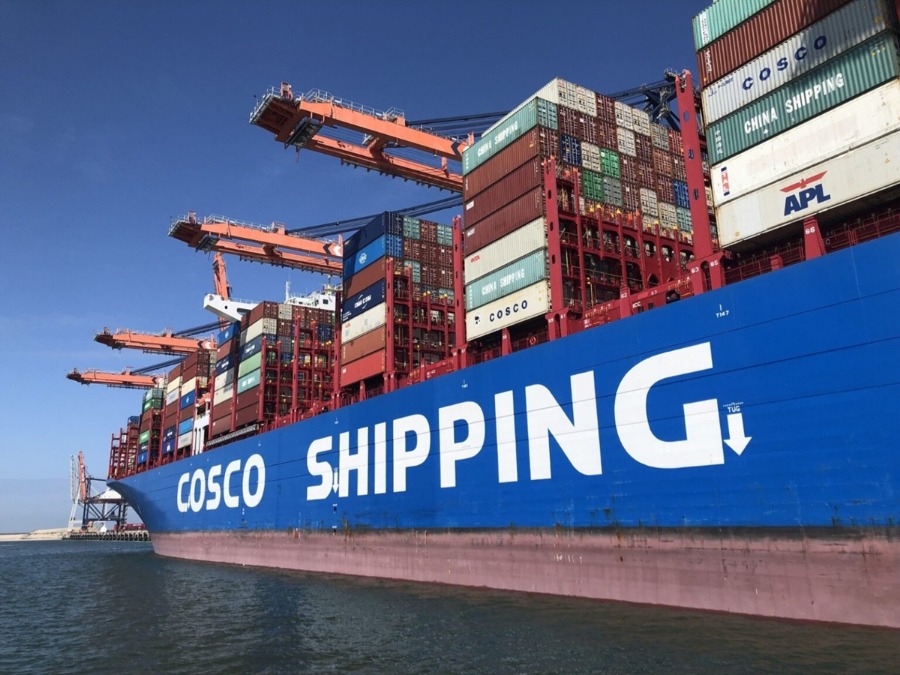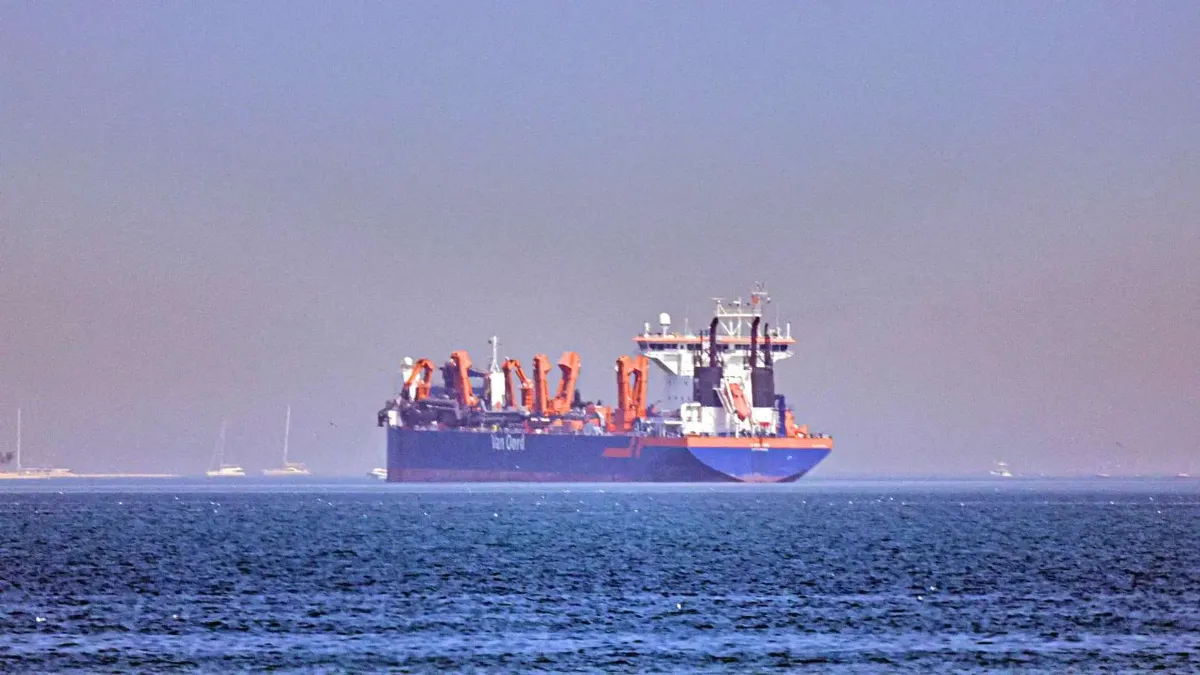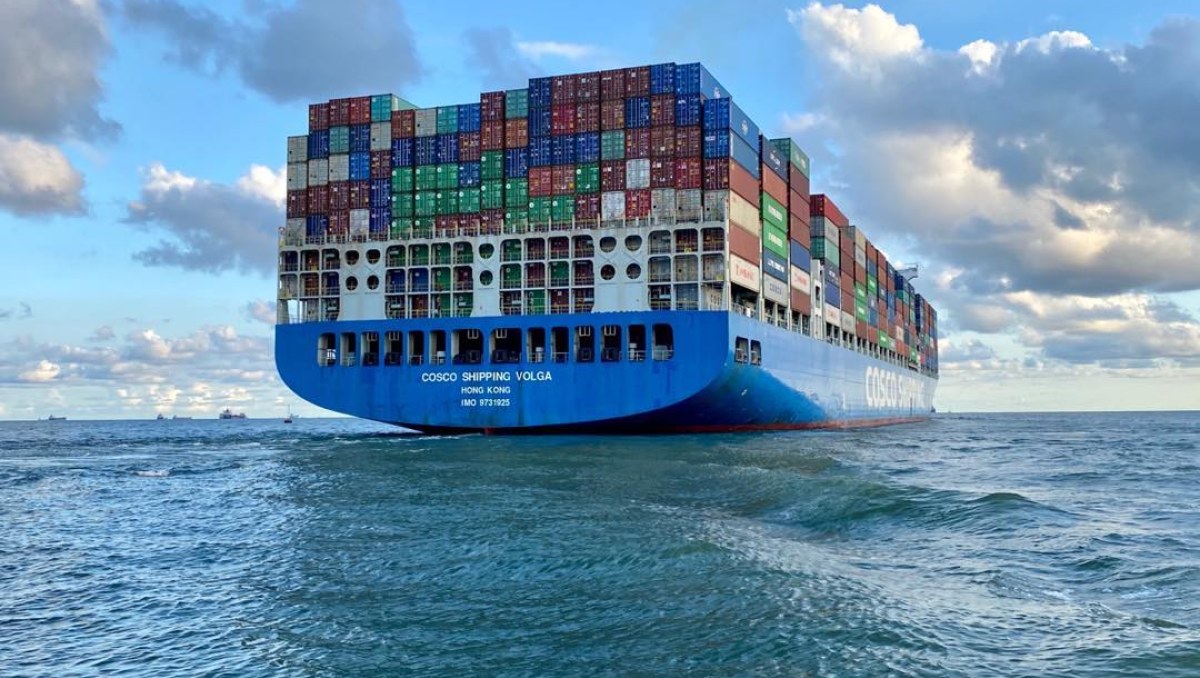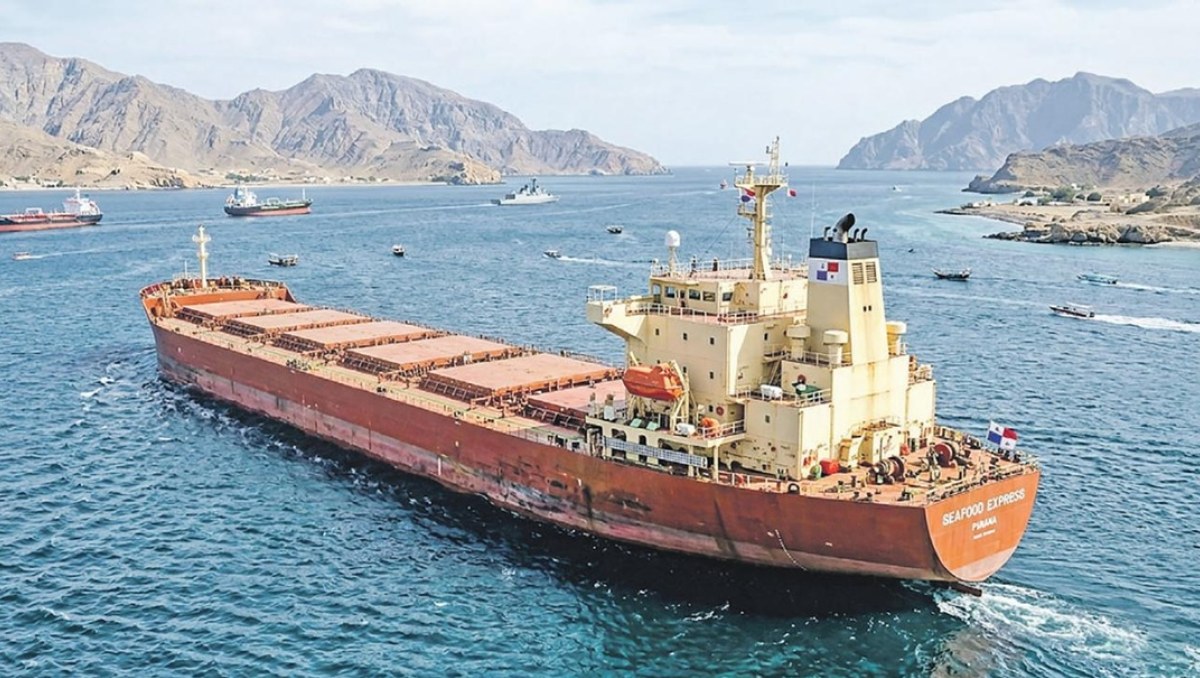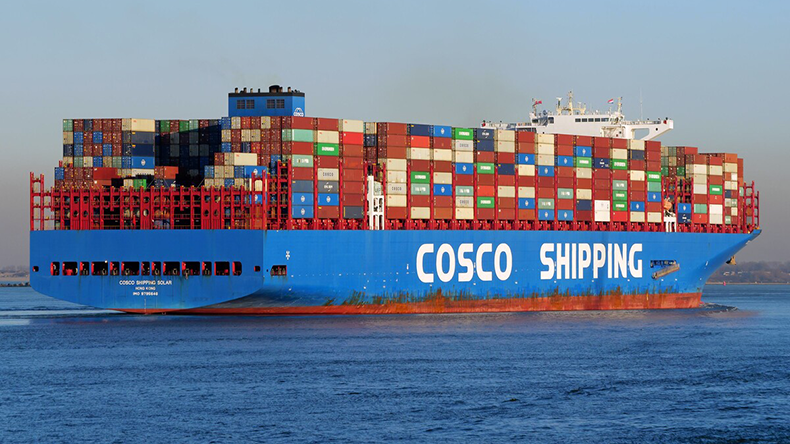
The transit is taking place via an alternative corridor, located along the Iranian coast, between the islands of Larak and Qeshm, outside the usual navigation model in the zone. The use of this passage confirms that commercial traffic remains constrained and dependent on authorization in a strait that continues under heavy geopolitical pressure.
In an initial phase, priority appears to have been given to removing empty vessels from the area, reducing exposure to risk in a transit that remains far from normal. However, uncertainty persists regarding passage conditions for laden vessels, at a time when maritime circulation remains subject to case-by-case evaluation.
The operational picture is especially delicate because use of this corridor requires prior contact with Iranian authorities and compliance with specific requirements to ensure passage. This reinforces the perception that Tehran is transforming territorial and military control over Hormuz into a direct instrument of conditioning maritime traffic.
Despite this signal of partial resumption, the situation in the strait remains unstable. Any disruption on a route of this strategic weight has immediate impact on logistics costs, insurance premiums, shipowner confidence, and the global energy market. At Hormuz, the question is no longer simply whether passage is open, but under what conditions one navigates and at what price.


This publication was generated from information in the original feed. Credits and source reference have been included at the end of the text.
```