Brazil's Supreme Federal Court (STF), Second Panel, has annulled a ruling by the Court of Accounts of the Union (TCU) that questioned the charging of the Segregation and Delivery Service (SSE) at Brazilian ports. The decision represents a significant milestone for port sector regulation and reinforces the authority of the National Agency for Aquatic Transport (Antaq).
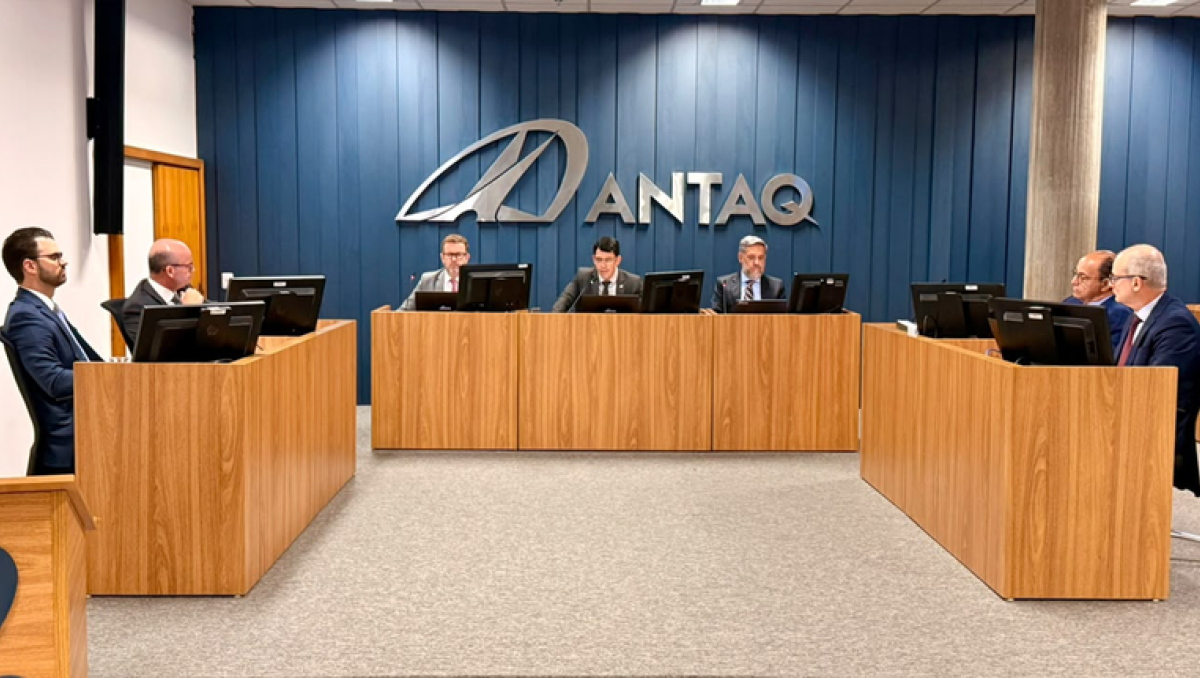
The judgment upheld arguments presented by the Brazilian Association of Container Terminals (Abratec), which maintained that the TCU exceeded its scope by interfering in a matter of regulatory nature. According to the entity, the definition and oversight of port tariffs and services are legal responsibilities of Antaq, the agency responsible for regulating the sector.
In accepting this reasoning, the justices of the Second Panel found that the Court of Accounts had overstepped its competence. As a result, the ruling was invalidated, restoring the legitimacy of SSE charging by terminals.


The STF's decision is viewed by the market as an important reinforcement of legal certainty and regulatory predictability, factors considered essential for attracting investment and for the efficient functioning of the port logistics chain.
Moreover, the Court's understanding delineates with greater clarity the institutional roles of the agencies involved, avoiding overlaps that could generate uncertainty for port system operators and users.
Experts assess that the STF's position tends to consolidate the technical autonomy of regulatory agencies, such as Antaq, especially on matters related to tariff structure and the organization of port services.