SUSTAINED DEVELOPMENT – COMMON SENSE AND GOOD FAITH
Technicians from private or public companies work to solve problems or try to prevent them, each in their specific field, but collaborating in multidisciplinary working groups.
Their mission is to make things happen in the best interest of the company and its target audience.
Although ethical and sustainability issues should have always been the norm in this process, the advent of ESG and SDG constraints, which directly affect governance, has brought new and necessary obligations, while also generating jobs in these areas and external marketing.
I have heard that legal and compliance departments in companies have larger and more expensive structures than those directly devoted to their economic activities.
External control mechanisms, such as audits and certifications, were created to monitor this scope, consolidating their relevance.
Public and private companies are straining to meet business targets amid an unstable and extremely bureaucratic legal framework.
Maintaining the status quo is already a Herculean task. Expansions and new ventures, then, are like a via crucis. Their proponents, beyond the difficulties in this context, still run the risk of being stigmatized by ideological radicalism, inside and outside institutional circles, or subject to having to set aside their technical expertise to submit to vanities and intransigence.
Some argue that projects are poorly designed, but what actually justifies environmental licensing taking decades, full of back-and-forths like "this is missing" or "this is not enough"? There are cases where, even with a previously approved EVTEA and EIA-RIMA, conduct adjustment agreements (TACs) are still required, whose criteria are not always clear.
The same holds for lawsuits that also obstruct, delay or render unfeasible ventures that, however good the justifications, ignore the consequences in the broader sense. And those who promote them are rarely or never held accountable for the resulting socioeconomic harm.
Legal instability, in its multiple aspects, has forced public and private companies to "change the tires while the car is moving," that is, to adapt, trying not to harm planning, schedules, costs and targets. Yet rarely do we see this kind of flexibility and resilience on the other side, with rare and welcome exceptions.
Unfortunately, some actors in the process still demonize the economy, forgetting that it is the economy that generates the resources for investments in what they believe to be most important.
The ideal would be to make necessary adjustments proactively, collaboratively and within the limits of their "squares," without harming project progress, establishing reasonable, plausible commitments.
However good the intentions of those who license, litigate or judge, it is necessary to bear in mind that draconian requirements, delays or systematic unfeasibility can have significant and even dramatic socioeconomic and environmental consequences, undermining even what they intended to favor or preserve. After all, the resources that fund social and environmental programs come from those who invest, undertake and employ. This even applies to the self-granted compensation and benefits of those involved in the process. The pension system would also appreciate it!
Those who hold institutional decision-making power not only can but should identify, resolve and preferably prevent problems in a consensual rather than merely impositive manner. It is adapting to what is today called responsive management.
Power must never be exercised to impose personal understandings, especially in areas where there is no specific knowledge expertise. The presumption of having it can be an even greater problem. Nor does it make sense to only raise problems beforehand and then have all the solutions.
``` ```htmlIt makes sense for former business executives and researchers to work as consultants for companies, given their successful experience in the rally of project approvals.
There are also those who have become specialists, authors of books that "teach" how to achieve professional success and lecturers of motivational talks, full of catchy phrases, fanciful narratives, quotes from philosophers, self-celebration and examples of dubious veracity, without ever having undertaken anything that actually justifies their "expertise" or credibility.


Some have even turned their failures into success formulas, teaching what "not to do".
As one of Henfil's Fradinhos used to say: "It's a way of living".
The knowledge acquired in the exercise of public or private, business or institutional functions is an invaluable asset, without doubt!
Proposing adjustments to legislation and regulation, to avoid personal interpretations and dilatory litigation, seems to me an obligation, and teaching on these topics, a necessity. There is a biblical passage that can be adapted to this context, by affirming that those who hold knowledge bear even greater responsibility.
Knowing the "way of the stones" merely demonstrates that Brazil's legal framework is full of meanders and, in certain cases, labyrinths, which do nothing to help the country's sustained development. As the late journalist José Paulo de Andrade used to say, this results in "petty dictatorships" exercised by holders of specific powers.
The Calçada do Lorena, which was reportedly the first paved road to link the São Paulo plateau to the coast, was an ideal path for mule trains that transported cargo and people. Some time later, socioeconomic development called for the "Road to the Sea"—the "Santos Road" of the song by Roberto and Erasmo Carlos. Next came the Via Anchieta and, decades later, the Rodovia dos Imigrantes, which will now have its third lane, long overdue, always seeking to shorten routes and make them safer, more comfortable, more predictable and environmentally responsible.
Our legal and regulatory framework should be the same!
This involves constitutional amendments, revocation, revision or new legal instruments, perhaps even a new Constitution!
Convening a National Constituent Assembly depends on approval in Congress, by means of a legislative decree or through the holding of a plebiscite. Given the current scenario, it also depends on the STF confining itself within the exclusive scope of its constitutional powers.
This process will not be easy, although it is essential that it occur, for the good of the country and democracy.
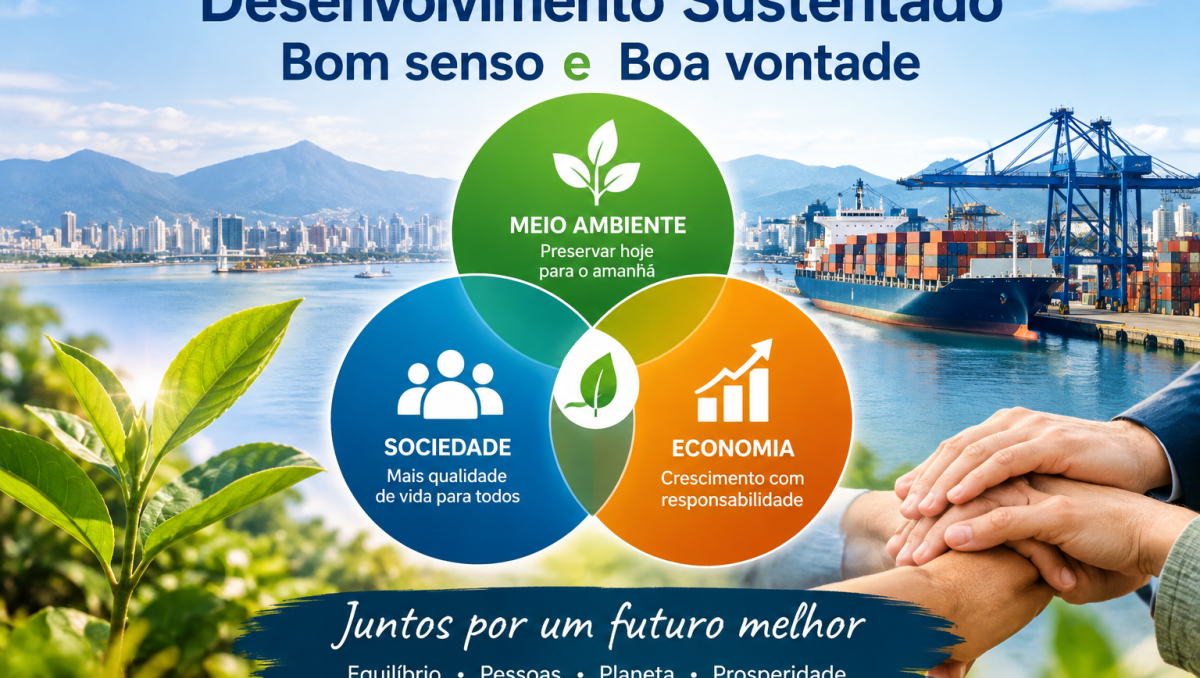
Until that happens, perhaps a more collaborative attitude and a holistic vision of what sustained development is, on the part of all involved, might help in the rationalization and acceleration of approval and implementation of socioeconomic enterprises strategic for the country.
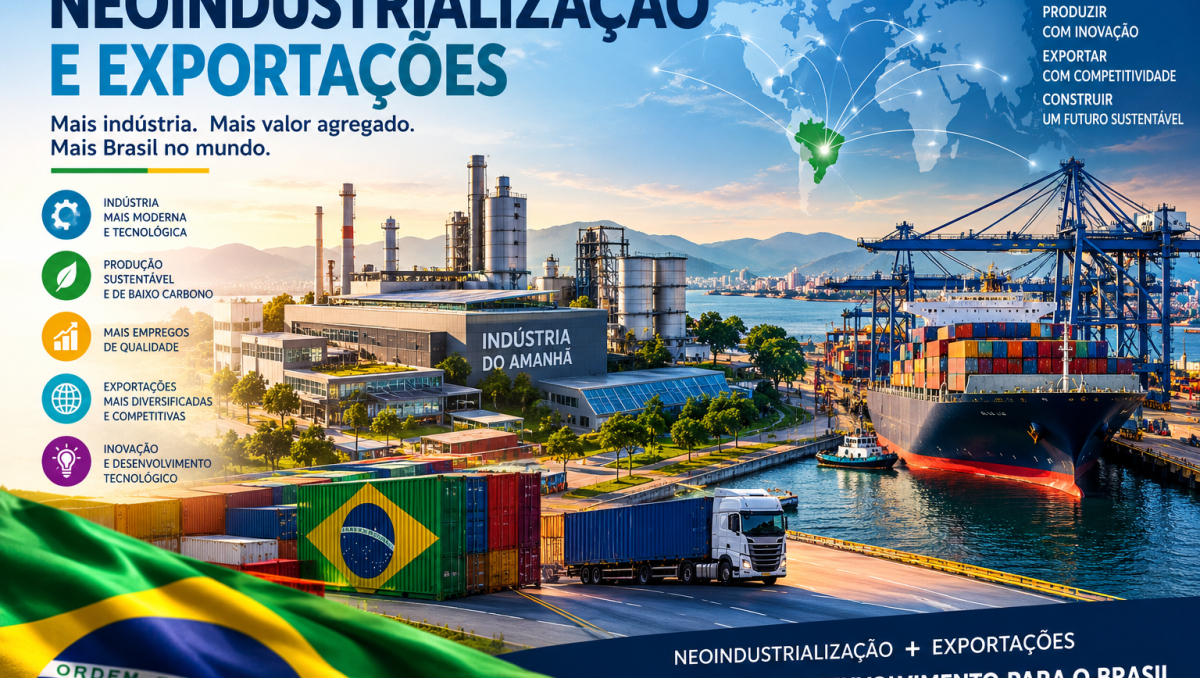
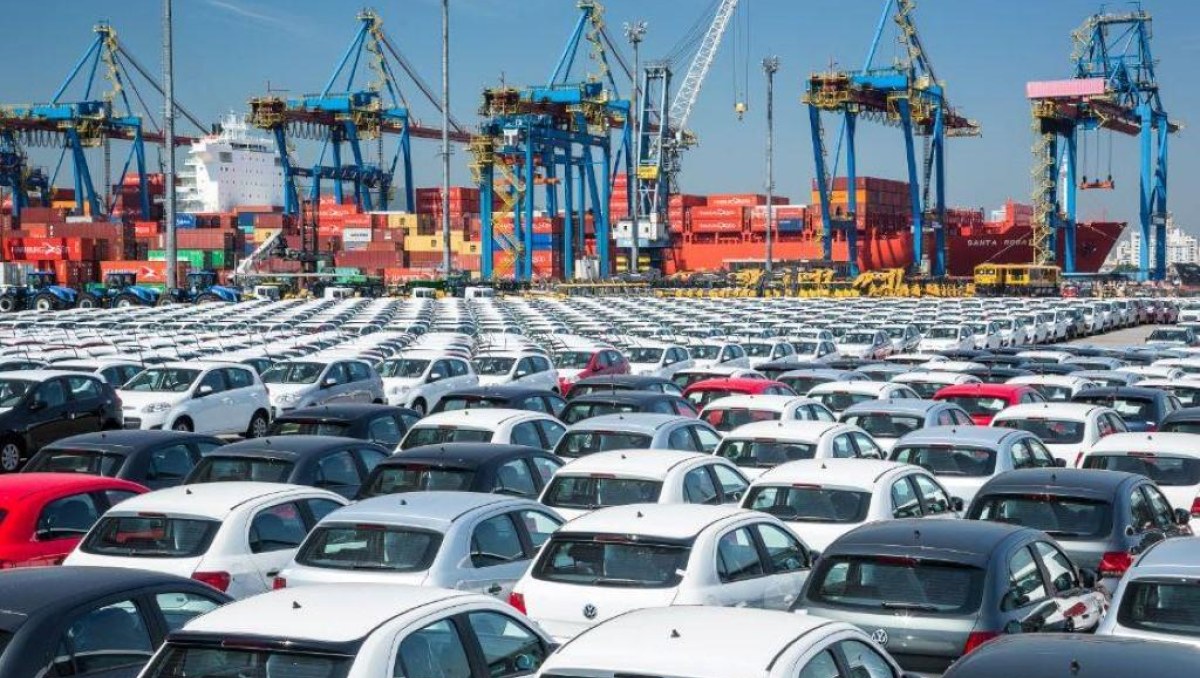
This includes energy generation, transport infrastructure and production plants, all fundamental for revenue generation, employment and strengthening of the national economy.
Mitigating and compensatory measures exist to ease socioenvironmental impacts, but should be foreseen based on good sense, good will and understanding of consequences.
In short, all those involved must keep in mind that sustained development is strategic for Brazil and cannot be subject to corporate interests, vanities, personal beliefs, opportunism, external influences or radical ideologies.
It calls for good sense and good will!
Adilson Luiz Gonçalves
Writer, Engineer, University Researcher and member of the Academia Santista de Letras
```