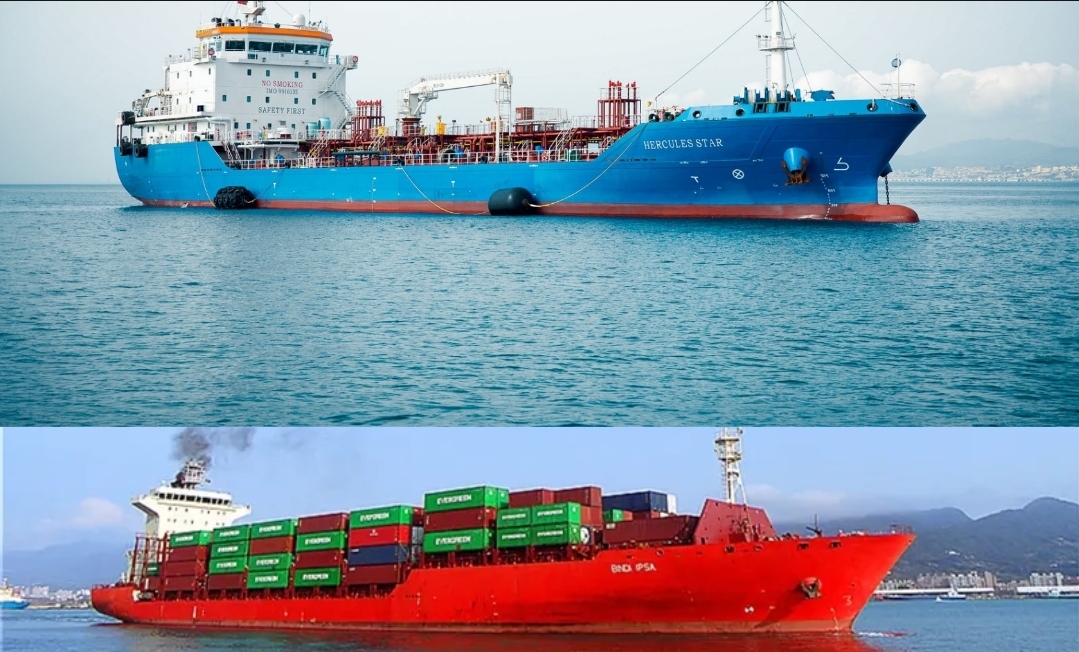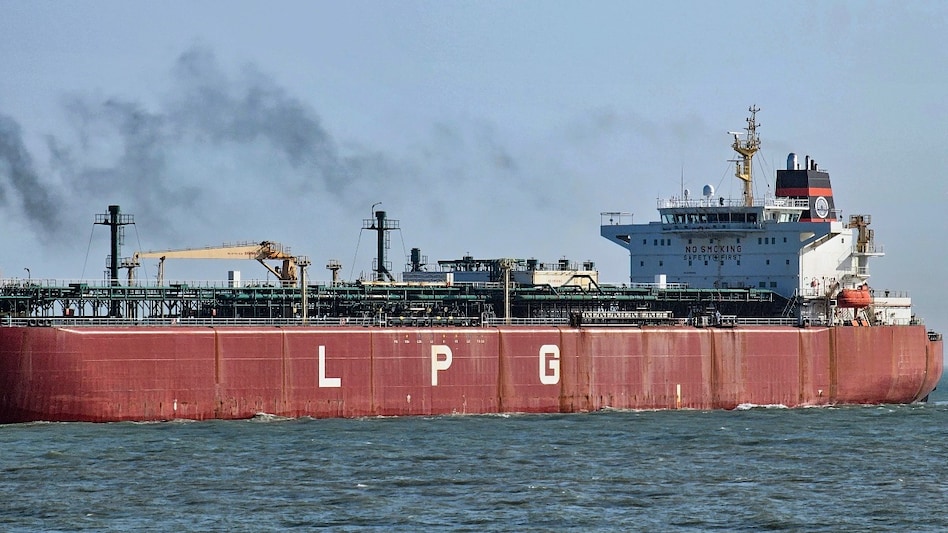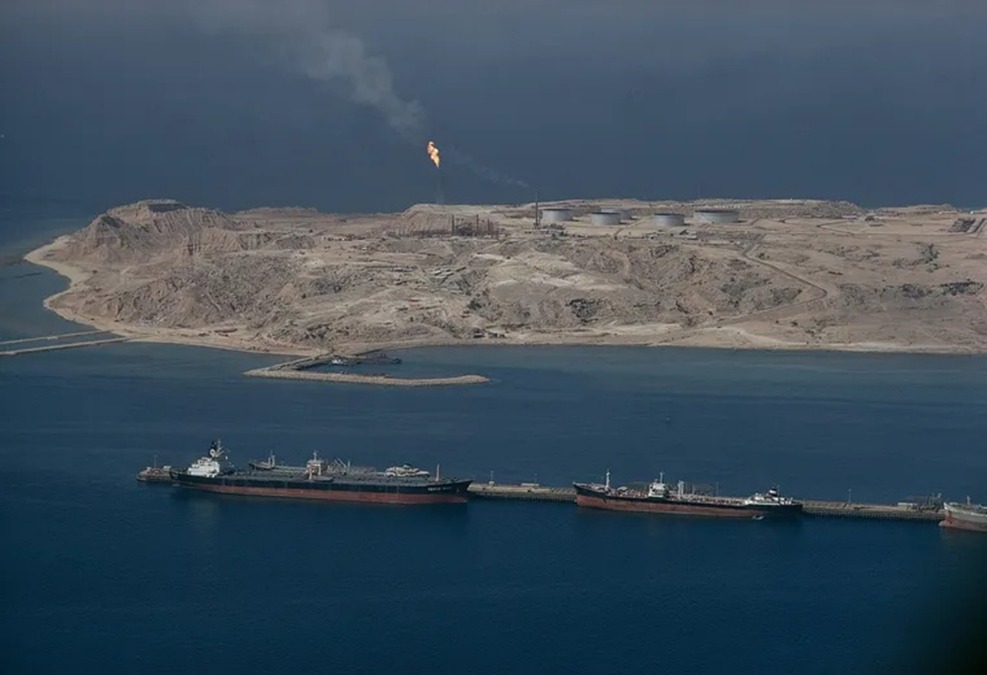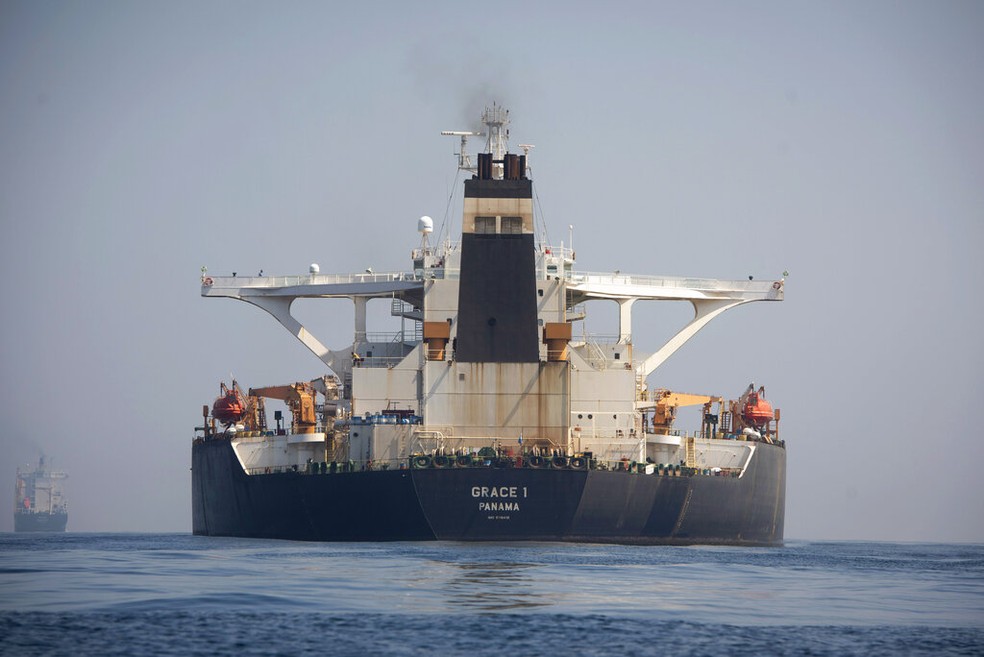
Two Indian-flagged tanker ships have successfully crossed the Strait of Hormuz at a time when this route remains under strong tension and maritime traffic is severely constrained.
The vessels are carrying liquefied petroleum gas and are now heading toward India, in a move that gains particular significance in a context of high instability in the region. The passage of these ships carries meaning that extends beyond the operation itself. The Strait of Hormuz continues to be one of the most sensitive points in global maritime commerce, especially for energy transport, and any successful transit is seen as an important signal in a market marked by uncertainty, heightened risk, and pressure on supply.
In India's case, this crossing carries additional weight. The country depends heavily on imports of LPG from the Middle East, so the circulation of these vessels represents partial relief at a time when the risk of logistical disruption and rising energy costs remains on the table. The operation took place under enhanced vigilance and also shows how maritime security has again assumed a central role in this crisis. As regional conflict affects strategic corridors, maritime transport has re-emerged as one of the sectors most exposed to the direct consequences of geopolitical instability.
More than an operational report, this episode confirms that Hormuz continues to function as a barometer of global risk in maritime commerce. Whenever a ship manages to cross this strait safely, the impact is felt far beyond the region, with immediate repercussions on energy markets, operator confidence, and international assessments of freedom of navigation.


This publication was generated from information from the original feed. Credits and source reference have been included at the end of the text.
Source: https://portaldomar.org/2026/03/15/dois-navios-indianos-atravessam-ormuz/
```