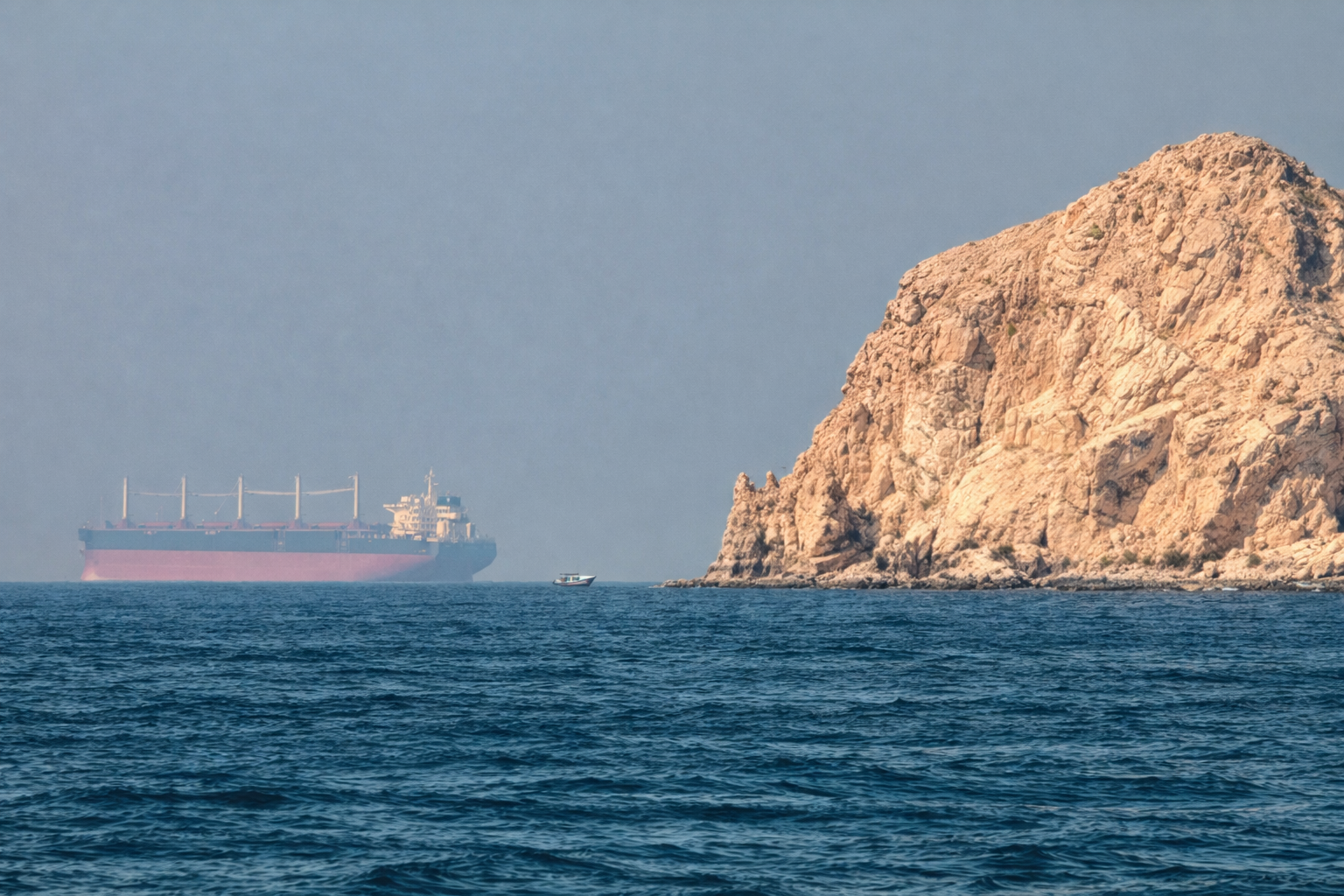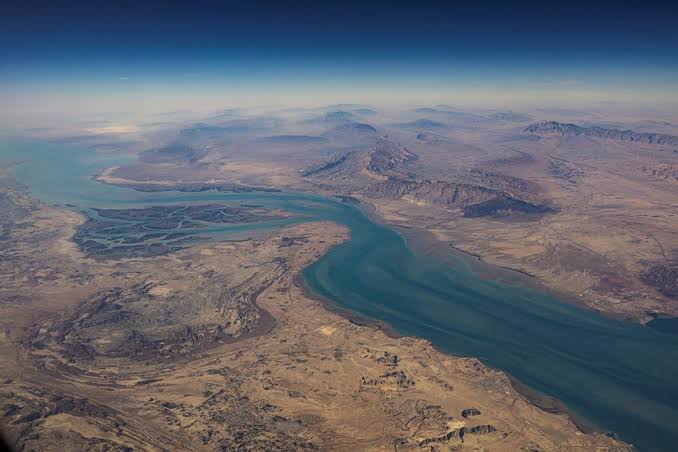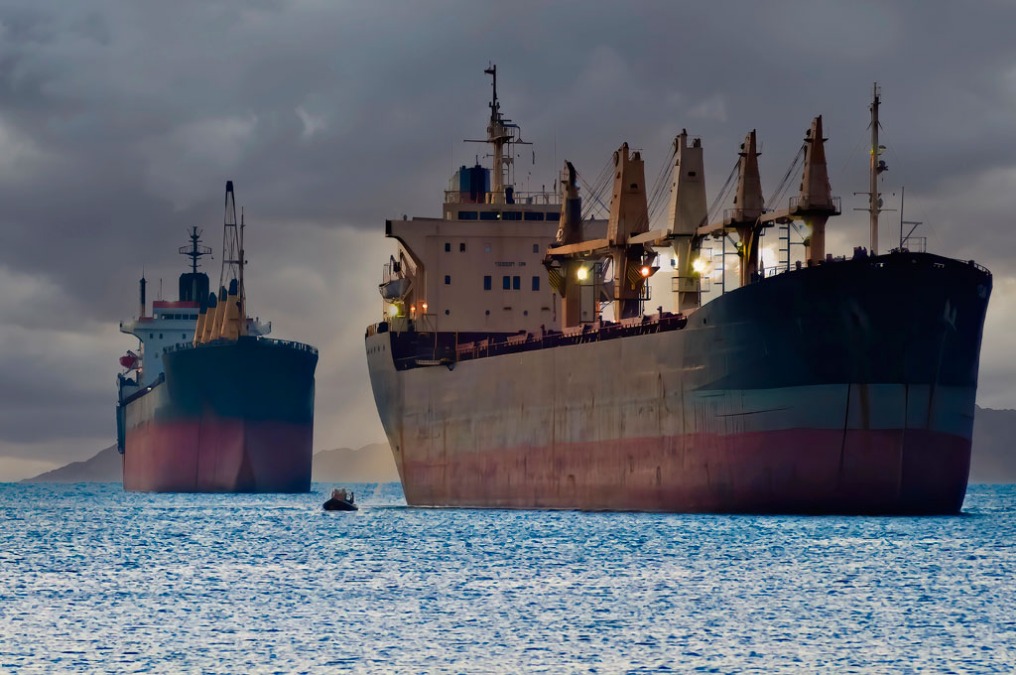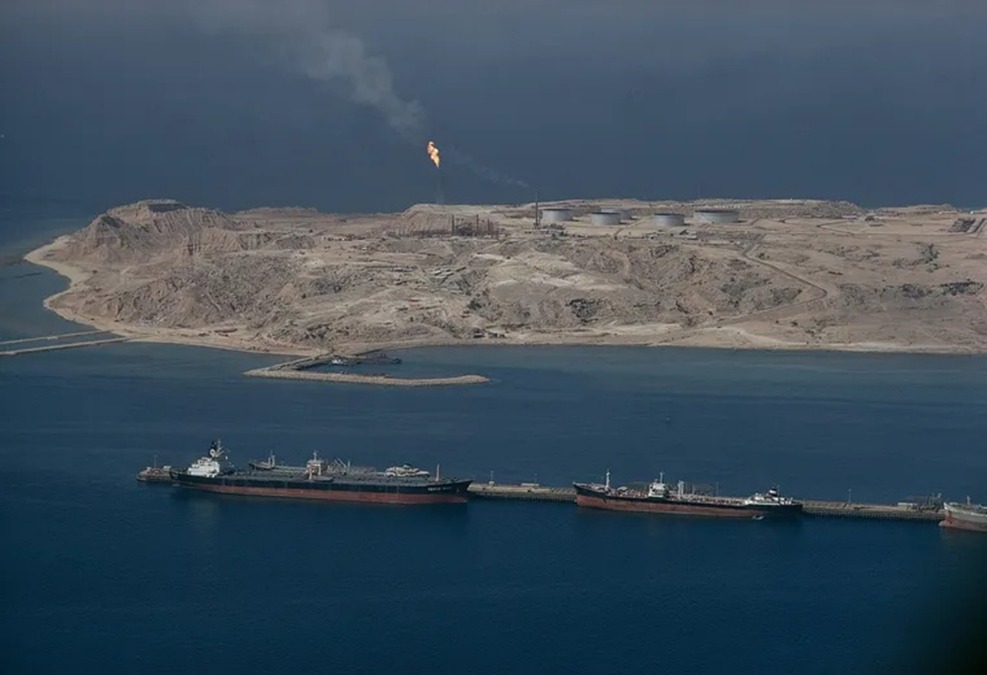
Iran's parliament is preparing a proposal to levy a toll on ships crossing the Strait of Hormuz, as Tehran seeks to tighten control over one of the world's most sensitive maritime passages.
The initiative emerges in a context of severe regional tension and places fresh pressure on a route that is crucial for international energy trade. More than an administrative measure, the proposal represents an attempt to transform Iran's strategic position into a direct tool for conditioning maritime traffic. If it goes ahead, passage through Hormuz will no longer be linked only to military and political risk; it could also face a new financial charge imposed by Tehran. The potential impact is significant.
A substantial share of oil transported by sea at the global scale passes through the Strait of Hormuz, as well as significant volumes of liquefied natural gas. Any additional obstacle on that route—whether operational, political, or economic—tends to be reflected in transport costs, insurance premiums, energy markets, and shipowner confidence.
The possible creation of this toll would reinforce uncertainty surrounding a maritime artery that remains central to global supply. For the sector, the question ceases to be merely whether Hormuz is open or closed. It also becomes understanding on what terms vessels navigate, who can pass, and at what price. It is this new factor of instability that once again projects the strait to the center of maritime geopolitics.


This publication was generated from information in the original feed. Credits and source reference have been included at the end of the text.
```