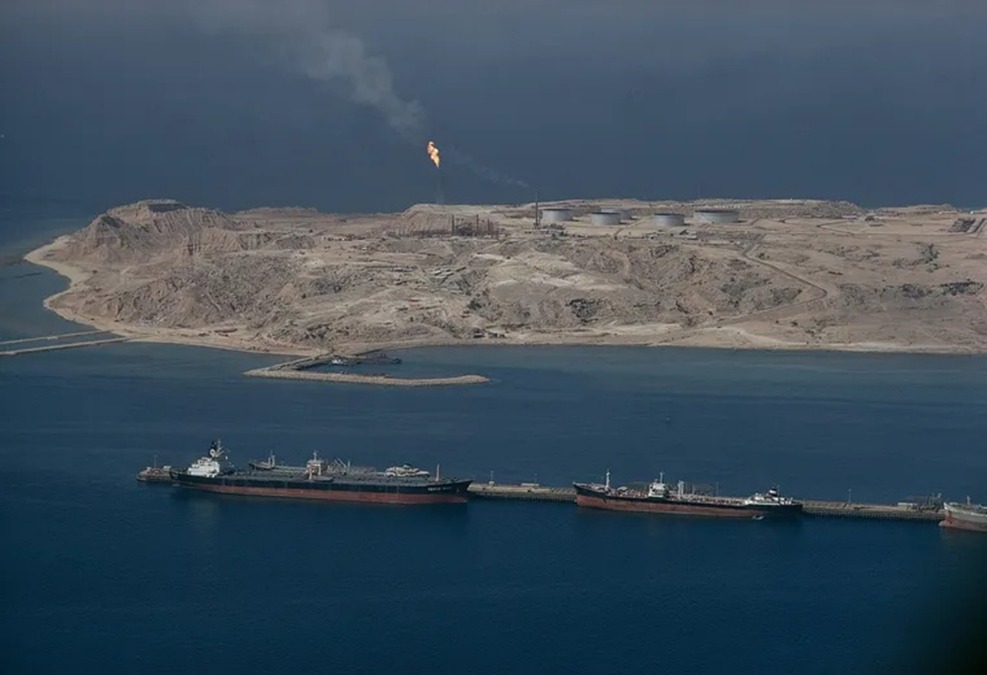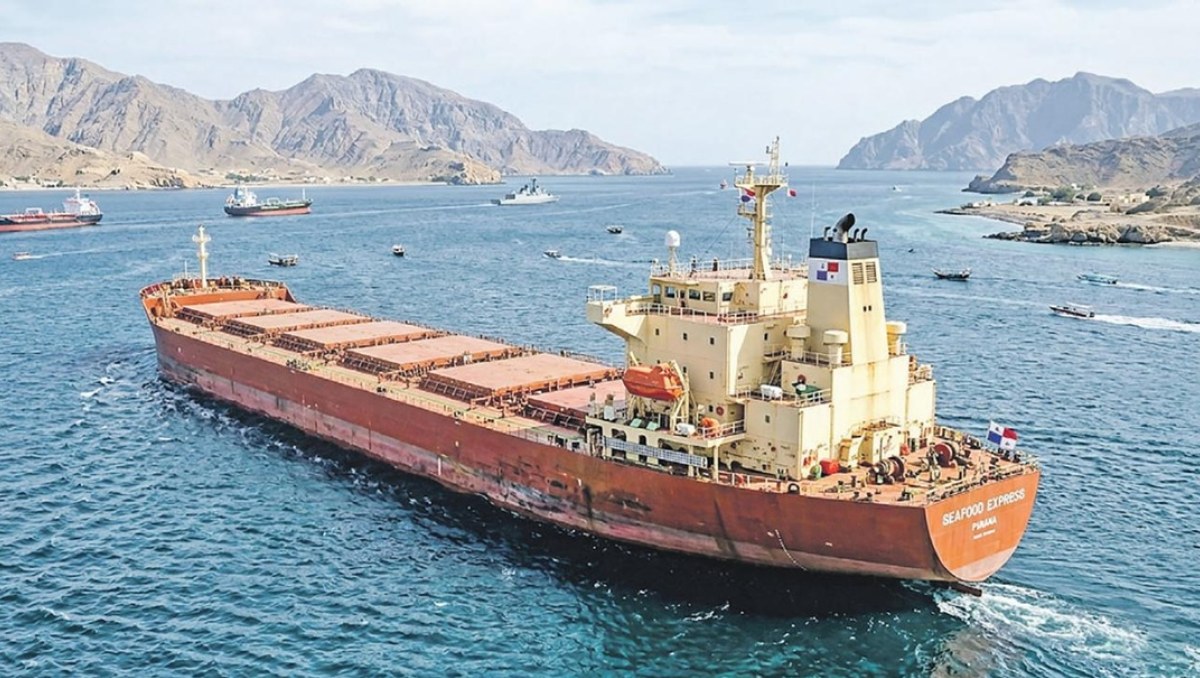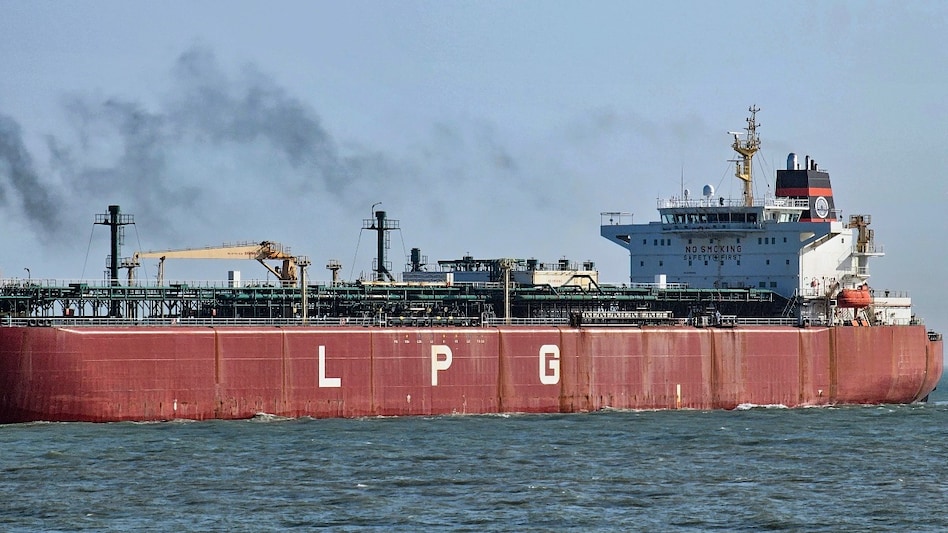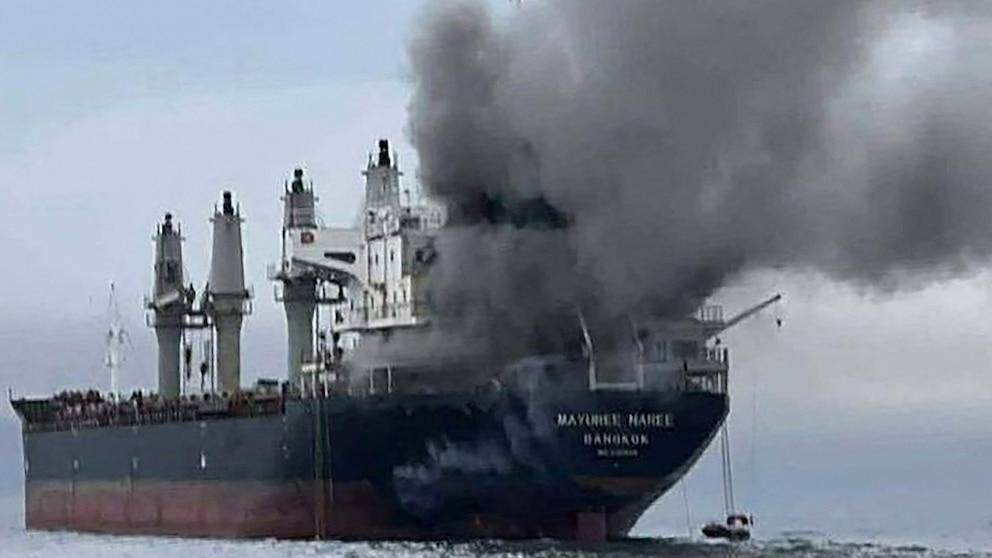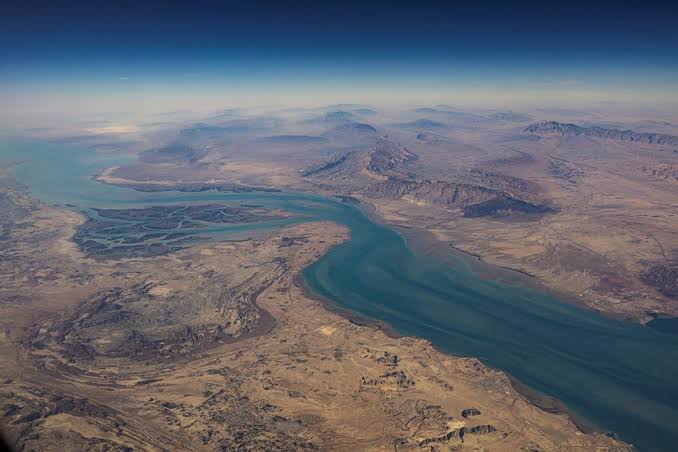
Iran affirms that the Strait of Hormuz remains open to international navigation, but has made clear that this openness will not extend to ships associated with countries it considers enemies.
The Iranian position reinforces the idea that Tehran intends to maintain tight control over one of the world's most sensitive maritime passages, at a time when military tension in the region continues to project uncertainty over commercial traffic and the global energy market. The message was conveyed within discussions on maritime security in the region, with Iran maintaining that ships with no ties to its adversaries may continue to transit Hormuz, provided they do so in coordination with Iranian authorities.
In practice, what Tehran seeks to convey is that the strait is not formally closed, but nor does it operate any longer under a logic of full and indiscriminate freedom of navigation. This distinction carries real weight in the maritime sector. Even without a declared total closure, the mere threat of selective restrictions is enough to fuel concerns among shipowners, operators, insurers and markets. Hormuz remains a critical point for the flow of oil and liquefied natural gas, so any sign of constraints, even partial ones, tends to have immediate effects on transport costs, risk premiums and confidence in international trade. In an environment already marked by threats, attacks and successive security alerts, the Iranian position adds a new layer of pressure. By admitting passage for some while excluding others, Tehran seeks to transform maritime circulation into a political and strategic instrument, using Hormuz's location as leverage in a confrontation that goes far beyond the regional dimension.
For maritime transport, the problem lies less in diplomatic formulation and more in practical consequences. Whenever transit ceases to rest on predictable and universal rules, the risk grows of detours, delays, commercial hesitation and greater volatility in energy prices. And when this happens at Hormuz, the impact does not remain confined to the Gulf; it spreads rapidly to logistics chains, bunkering and the balance of global trade.


This publication was generated from information in the original feed. Credits and reference to the source have been included at the end of the text.
Source: https://portaldomar.org/2026/03/23/irao-diz-manter-ormuz-aberto-mas-fecha-a-navios-inimigos/
```