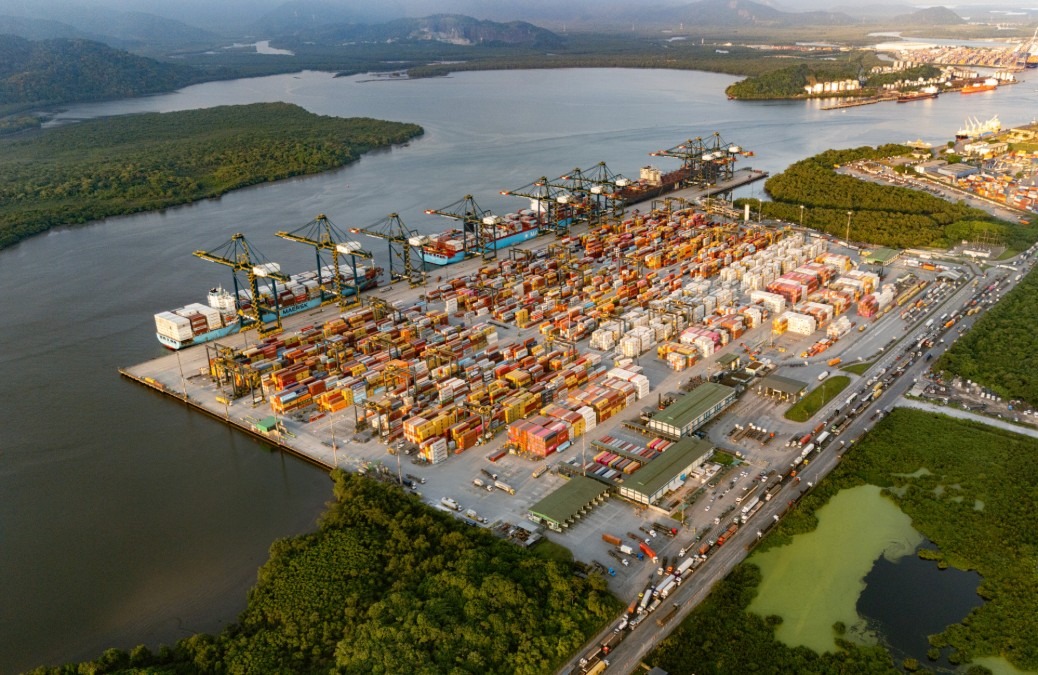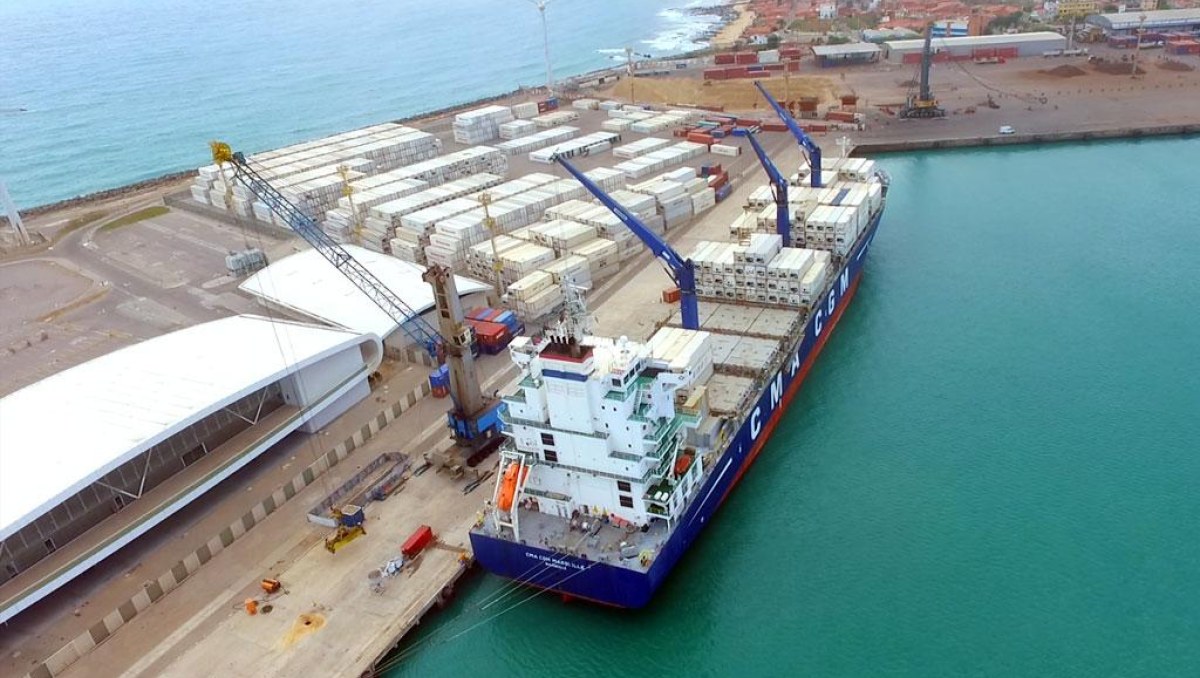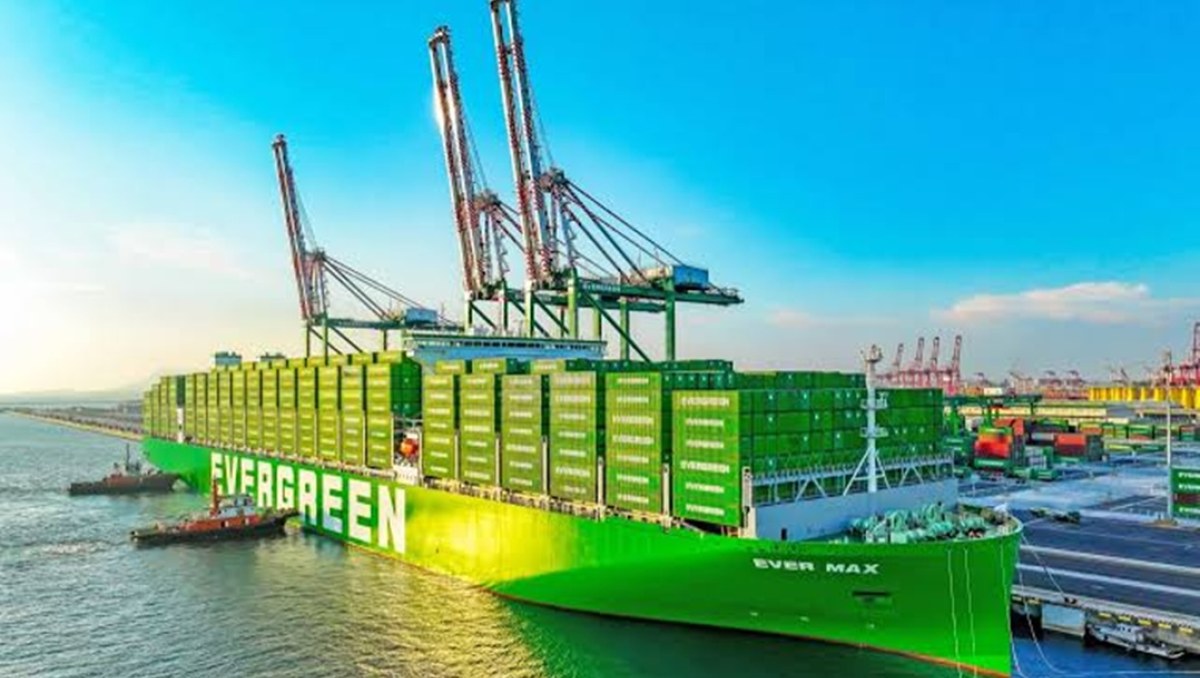
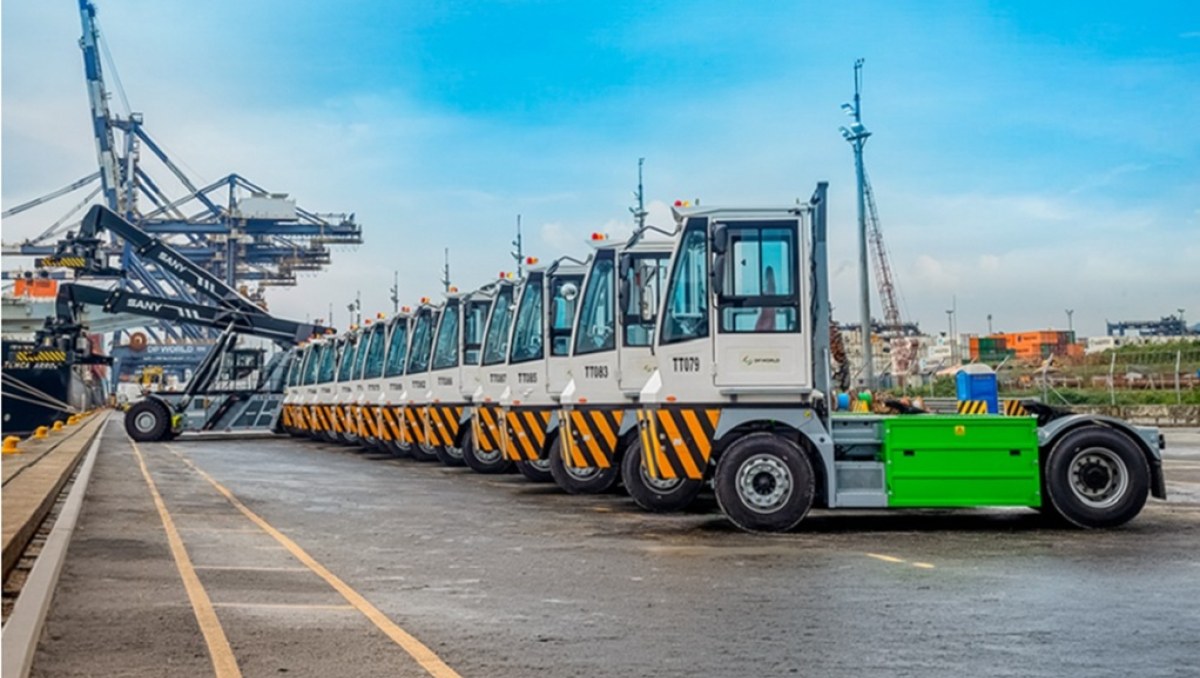
The transformation of Santos Port is not limited to the expansion of quays and yards. An important change is also beginning to happen within operations: the gradual replacement of diesel-powered equipment with electric machinery.
On the left bank of Latin America's largest port complex, DP World is advancing in this direction with the incorporation of a new fleet dedicated to container handling.
The terminal received 15 ITVs (Internal Terminal Vehicles) and three 100% electric Reach Stackers, equipment used daily in container transport, handling and stacking operations.
With the new Reach Stackers, the company reported becoming the first terminal at Santos Port to operate this type of fully electric equipment.
More than a fleet renovation, however, the machinery is part of a larger movement of expansion, modernization and decarbonization of Santos operations.
500 tonnes of CO₂ can stop being emitted per year
The 15 new ITVs follow the electrification standard adopted by DP World in international operations.
According to estimates released by the company, considering international standards for port operations, these vehicles alone could avoid the emission of more than 500 tonnes of CO₂ per year, when compared to conventional diesel-powered models.
Beyond emission reduction, electrification brings another noticeable benefit for those working directly inside the terminal: less operational noise.
Electric equipment can also provide gains related to energy efficiency, maintenance and performance.
In a terminal that operates continuously and handles large cargo volumes, the multiplication of these gains over thousands of operational hours takes on economic and environmental relevance.
Electric Reach Stacker places Santos in a new phase
Reach Stackers are among the most common machines in container terminal operations.
They are used to lift, transport and stack units within yards and operational areas.
Traditionally, these machines rely on diesel engines due to the high power required to move containers that can weigh tens of tonnes.
The adoption of electric versions shows how the energy transition is beginning to reach precisely one of the most operationally intensive activities in terminals.
DP World states that its Brazilian operations are also among the first in the Americas for the company to use fully electric Reach Stackers.
RTGs also underwent electrification
The strategy did not begin now.
Another important project developed by DP World in Santos involves RTGs (Rubber Tyred Gantry Cranes), large wheeled cranes responsible for organizing and moving containers in the yard blocks.
The company allocated more than R$ 100 million to the electrification project of its RTG fleet, involving the conversion of 22 units originally powered by fossil fuel to electric power.
The initiative reduces diesel dependency precisely in equipment that remains in operation for long periods inside the terminal.


In this way, Reach Stackers, ITVs and RTGs now form different fronts of the same strategy: increase operational capacity without reproducing, in the same proportion, the consumption of fossil fuels.
Next stage brings large-scale equipment
Modernization does not end with equipment that has already arrived.
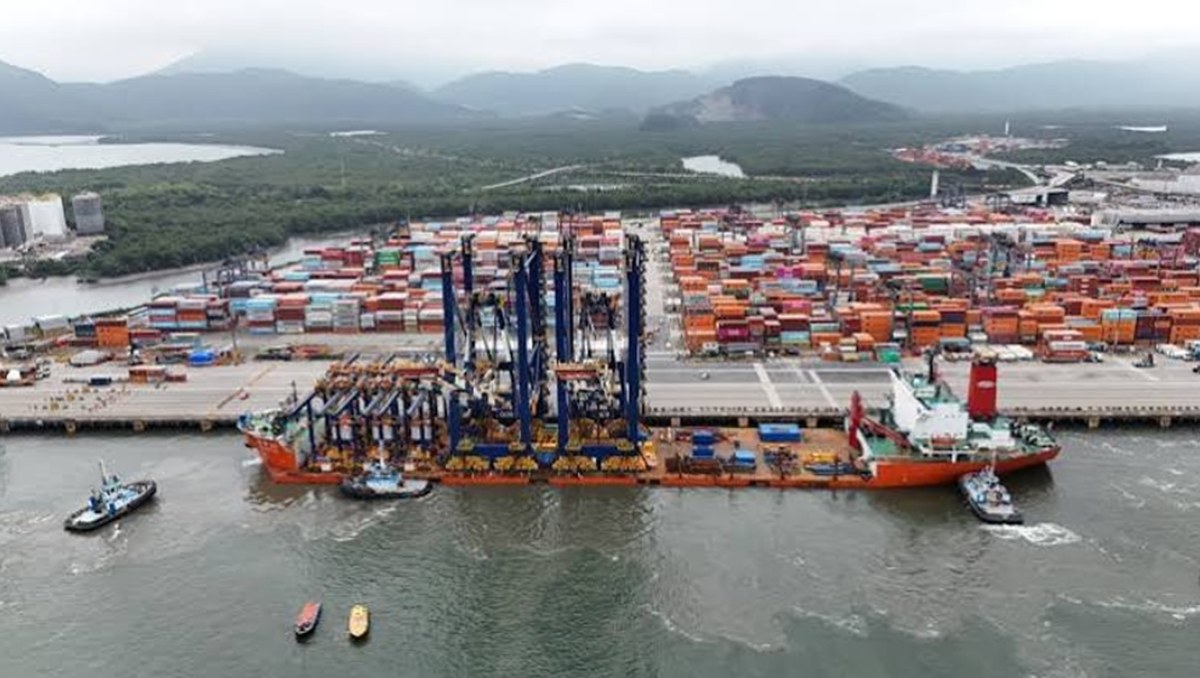
DP World's investment program also contemplates the acquisition of four new portainers and 15 RTGs, in addition to dozens of internal vehicles and other equipment for the expansion of container operations.
Portainers—also known internationally as STS (Ship-to-Shore)—are among the main equipment at a container terminal, directly performing the transfer of units between the ship and the quay.
``` ```htmlThe incorporation of these machines is directly related to the capacity increase planned for the terminal.
Over R$ 2 billion and a target of 2.1 million TEUs
Electrification is occurring simultaneously with one of the largest recent cycles of private investment in container infrastructure at Santos Port.
Added together, the different stages announced by the company, investments exceed R$ 2 billion.
A first phase includes approximately R$ 450 million and encompasses the extension of the quay by 190 meters, bringing the structure to around 1,290 meters in length.
With this stage, annual capacity is expected to reach approximately 1.7 million TEUs.
Subsequently, DP World announced an additional contribution of R$ 1.6 billion, earmarked for a second phase of expansion.
The goal is to reach 2.1 million TEUs per year by 2028.
This stage includes a new berthing pier, expansion of the backland area, gate improvements, new inspection areas, additional structures for reefer containers, and new equipment.
Growing without simply multiplying emissions
It is precisely the combination of expansion and electrification that deserves attention.
Larger terminals naturally demand more equipment, more energy, and greater operational intensity.
The challenge becomes increasing cargo-handling capacity without allowing physical growth to cause a proportional rise in emissions.
In DP World's case, the strategy includes not only electric equipment.
The company also reports using certified renewable energy and maintains initiatives for reuse of waste produced by operations.
The company's global target aims to advance in reducing emissions from its activities in the coming decades.
```