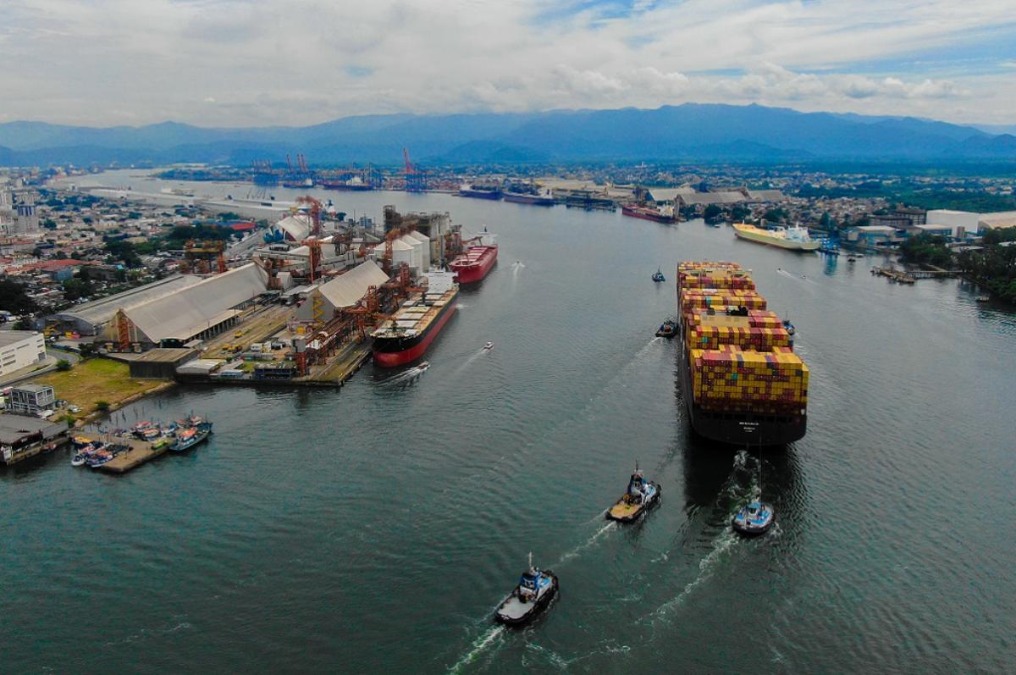
Brazil's port sector is moving toward structural transformation by placing dredging at the center of expansion and competitiveness strategies. With the steady increase in foreign trade flows and the arrival of ever-larger vessels, pressure is mounting for deeper channels and more efficient operations at the country's main ports.
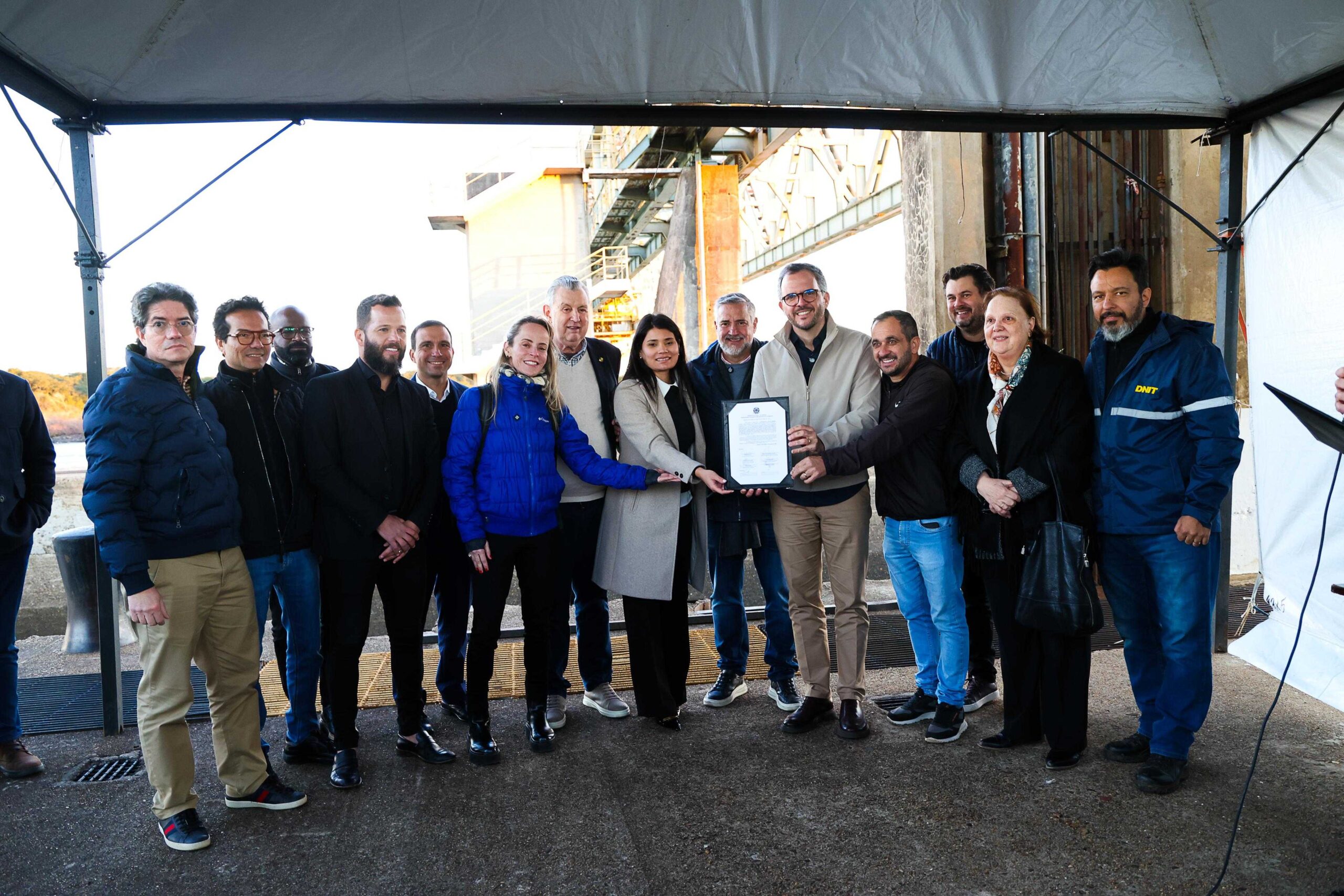
In this scenario, the state of Paraná is preparing to lead an unprecedented move: the first concession of dredging services at a public port to the private sector. The proposal represents a significant shift in the management model, traditionally conducted by the public sector, and may usher in a new phase of investment and operational efficiency.
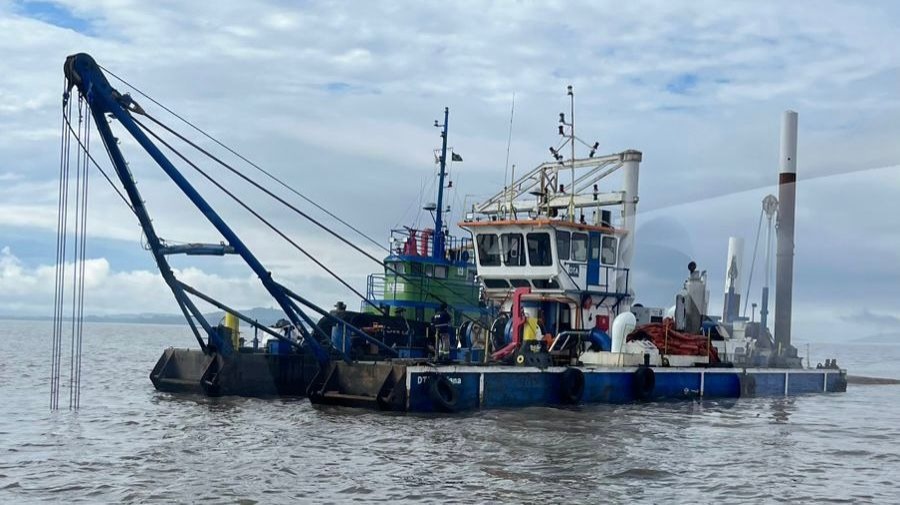
Dredging, essential for ensuring adequate draft and enabling the berthing of large vessels, has ceased to be merely a maintenance activity and has become a strategic element in logistics competitiveness. Without deepened channels, Brazilian ports risk losing scale and relevance in international trade.
The new model under discussion in Paraná is seen by experts as a pilot project with potential for replication at other public ports across the country. The expectation is that the concession will bring greater predictability, long-term contracts and continuous investment, reducing historical bottlenecks in the nation's port infrastructure.


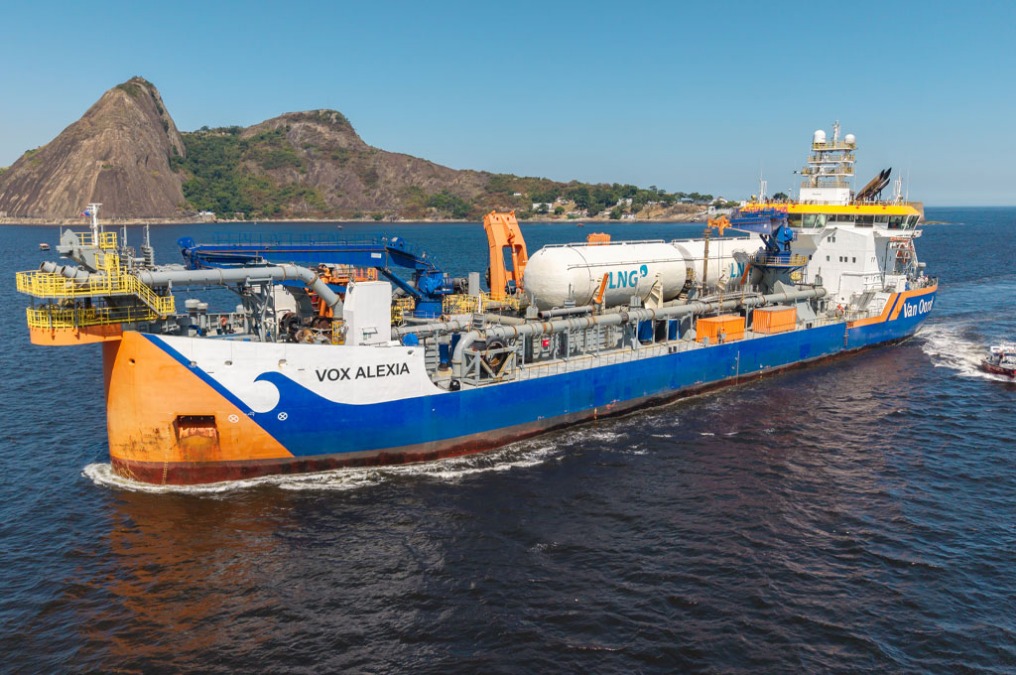
Moreover, Brazil already has the presence of some of the world's largest dredging companies, which reinforces global interest in the Brazilian market. For these companies, the country offers attractive conditions, such as extensive coastline, growing cargo volumes and constant need for modernization of waterway access.
With the possible consolidation of this new model, the dredging sector can become one of the main vectors of investment in national logistics, contributing directly to increased port efficiency and strengthening Brazil's position in global trade.
```