The 25th International Coffee Seminar, held in Santos, brought together major names in economics, logistics and agribusiness in a program marked by strategic debates on the global scenario and challenges faced by the Brazilian productive chain.
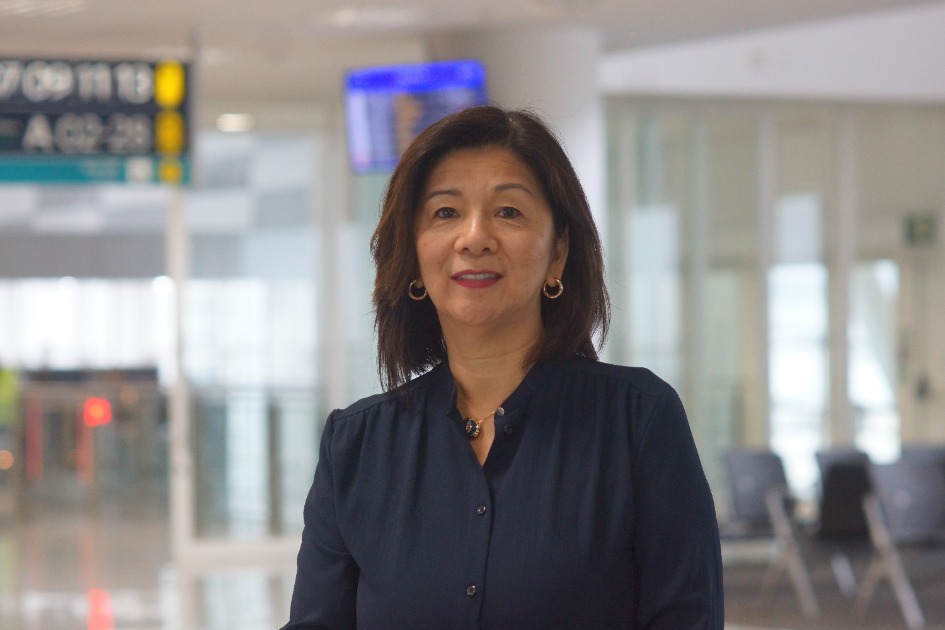
Among the event's highlights was the lecture by Pablo Spyer, economist, CEO of Vai Tourinho, partner at XP, presenter at Jovem Pan and advisor to Combitrans and Ancord. With over 30 years of experience in the financial and operational markets, the specialist presented an analysis on the impacts of international geopolitics on agribusiness and global logistics costs.
During his presentation, Spyer drew attention to the sharp rise in oil and fertilizer prices, factors that have been directly pressuring the costs of agricultural production and international transport.
In the panel displayed during the lecture, the economist highlighted that the Brent oil barrel jumped from US$ 72 to US$ 109.80 in just a few months, representing an increase of over 52%. According to him, if international conflicts persist for another three months, oil could reach the US$ 150 per barrel mark.
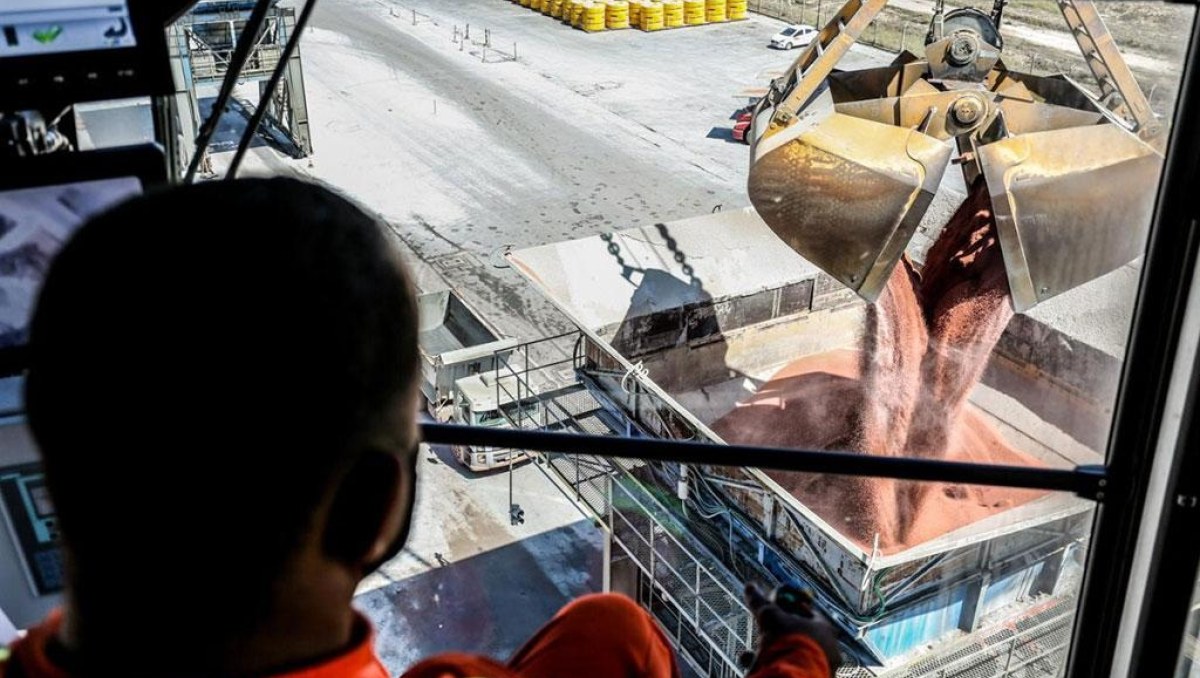
Another point of concern presented at the seminar was the significant increase in fertilizers used by Brazilian agribusiness. According to data released during the conference, urea registered a 50% increase, while anhydrous ammonia advanced up to 40%. Meanwhile, prices of phosphate, potassium and nitrogen also showed relevant increases, pressuring productive chain costs.
Pablo Spyer also highlighted the strategic importance of the Strait of Hormuz for the global economy. The region concentrates about 20% of the global petroleum flow and approximately 25% of natural gas traded internationally, making it one of the main points of attention in the international market amid geopolitical tensions.
The lecture reinforced the need for logistic planning, operational security and economic predictability for the Brazilian agro-export sector, especially given the country's strong dependence on imported fertilizers and international maritime transport costs.
The presence of Pablo Spyer at the 25th International Coffee Seminar expanded the debates on global economic challenges and reinforced the importance of the Port of Santos and Brazilian logistics infrastructure to guarantee competitiveness for national agribusiness.
Global Economy & Agribusiness
What factors worry the market most right now?
The rise in oil, fertilizer costs and the impacts of geopolitical conflicts on global logistics.


Why is the Strait of Hormuz so important?
Because much of the world's oil and natural gas passes through the region, directly impacting global prices.
How does this affect Brazil?
The increase in costs directly influences agribusiness, maritime transport and the entire national logistics chain.
What was the main warning made during the lecture?
The need for efficient infrastructure, planning and stability to maintain Brazilian competitiveness in the international market.
Jornal Portuário readers will receive 15% discount on registrations for the ENIP 2026 stage taking place in Santos on June 12.
To guarantee the benefit, simply use the coupon JP15 when registering.
Register now:
https://www.sympla.com.br/evento/encontro-nacional-industria-porto-2026-etapa-santos/3397606