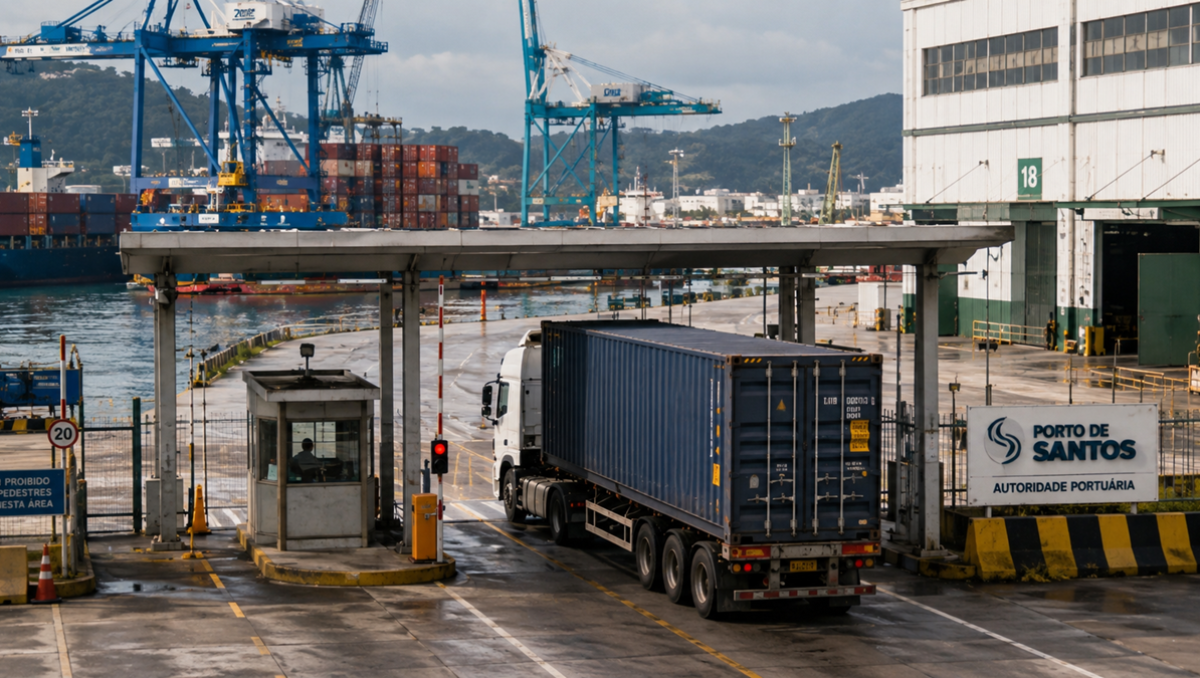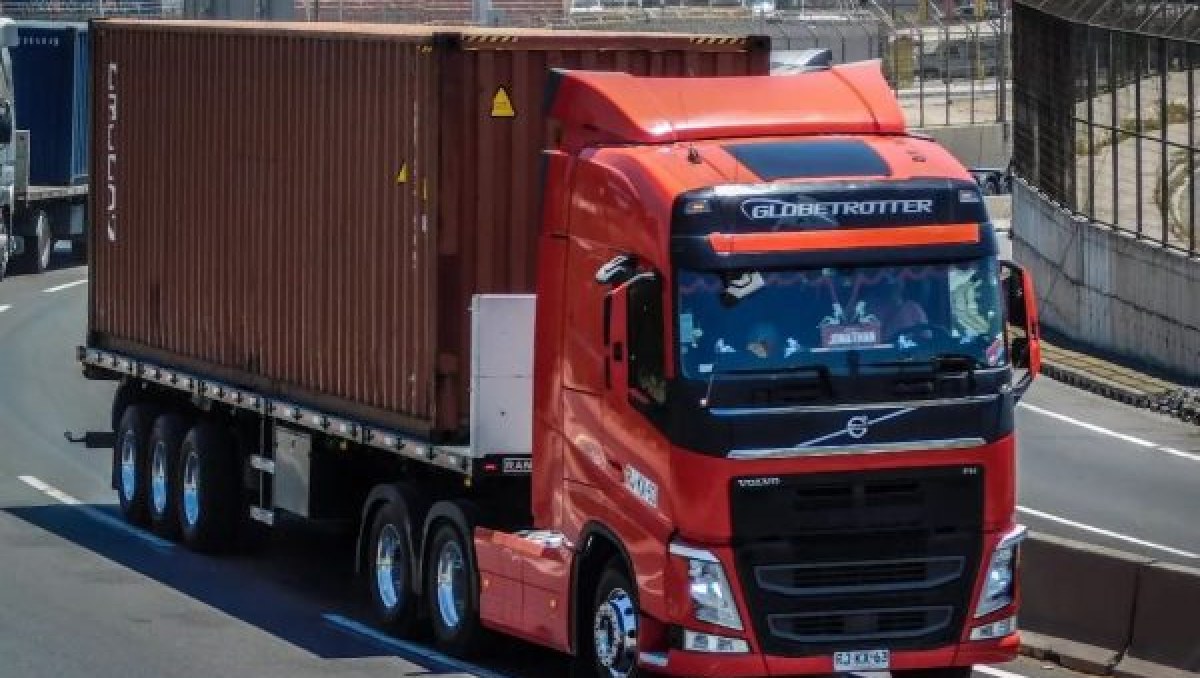
Drawing on Brazilian foreign trade as a source, a strong divergence becomes apparent: even though small businesses account for 40% of the country's exporting companies, their international role still faces structural barriers. High logistics costs, bureaucratization, and lack of predictability at borders create bottlenecks for entrepreneurs who need to enter and remain in the global market, despite operating with reduced teams and limited resources.
To reduce these difficulties and democratize access to new markets, the Brazilian Association of Express International Cargo Transport Companies (ABRAEC) argues that using express shipments strategically is a solution. This model acts as a logistics simplifier by providing transport, continuous tracking, and customs clearance in a single service. According to the association's executive director, Laura Gurgel, the method enables small industries to import inputs and essential materials swiftly, reducing the risk of operational shutdowns caused by lack of components. In turn, it enables the export of samples and small batches, allowing entrepreneurs to test demand abroad and develop commercial relationships gradually.
However, the rigidity of the regulatory environment remains one of the main obstacles to the expansion of this model. As the World Trade Organization (WTO) points out, complex border processes weigh in a financially disproportionate manner on small businesses. The laborious preparation of documentation, coupled with unpredictability in cargo clearance, requires a level of structure and technical knowledge that smaller teams generally do not possess. Bureaucracy and customs delays can increase operating costs and harm the competitiveness and credibility of small Brazilian exporters.


To ensure the international competitiveness of small businesses, ABRAEC argues that the government should advance in simplifying express shipments, proposing the integration of customs systems and the adoption of rules and costs proportional to the sector's reality, taking into account smaller-scale operations, lower capital availability, and leaner administrative structures.
According to the association, simplifying express shipments can help expand micro and small enterprises' access to foreign trade, reducing costs and making import and export operations more predictable.
```