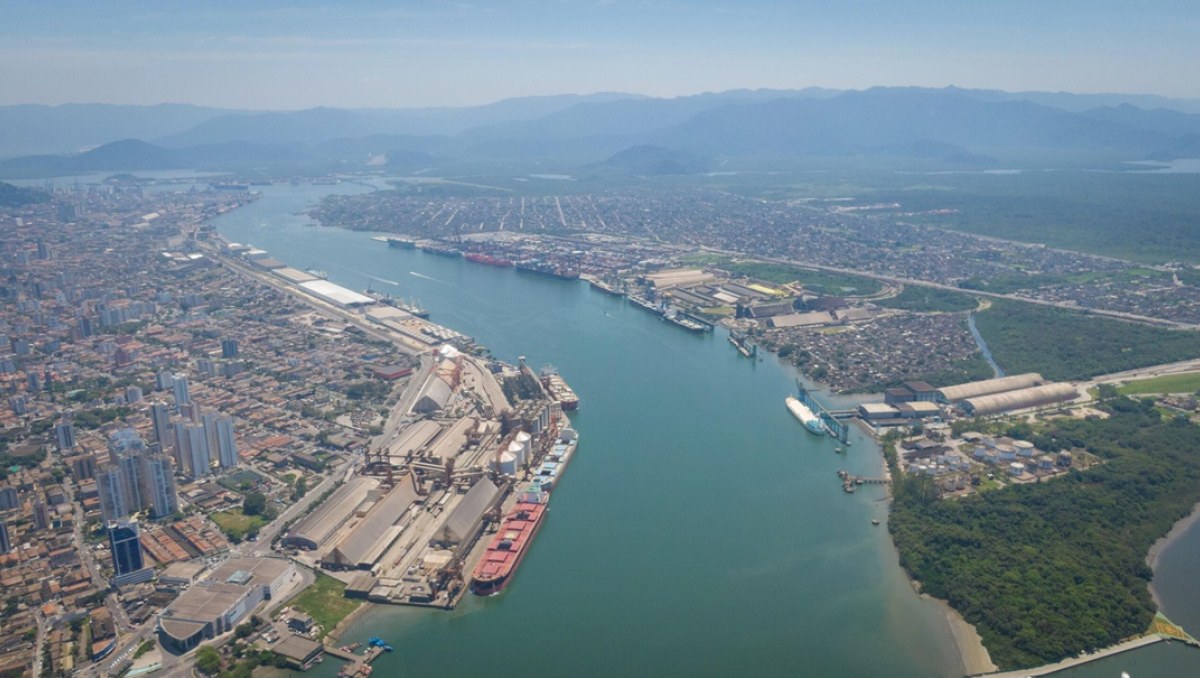
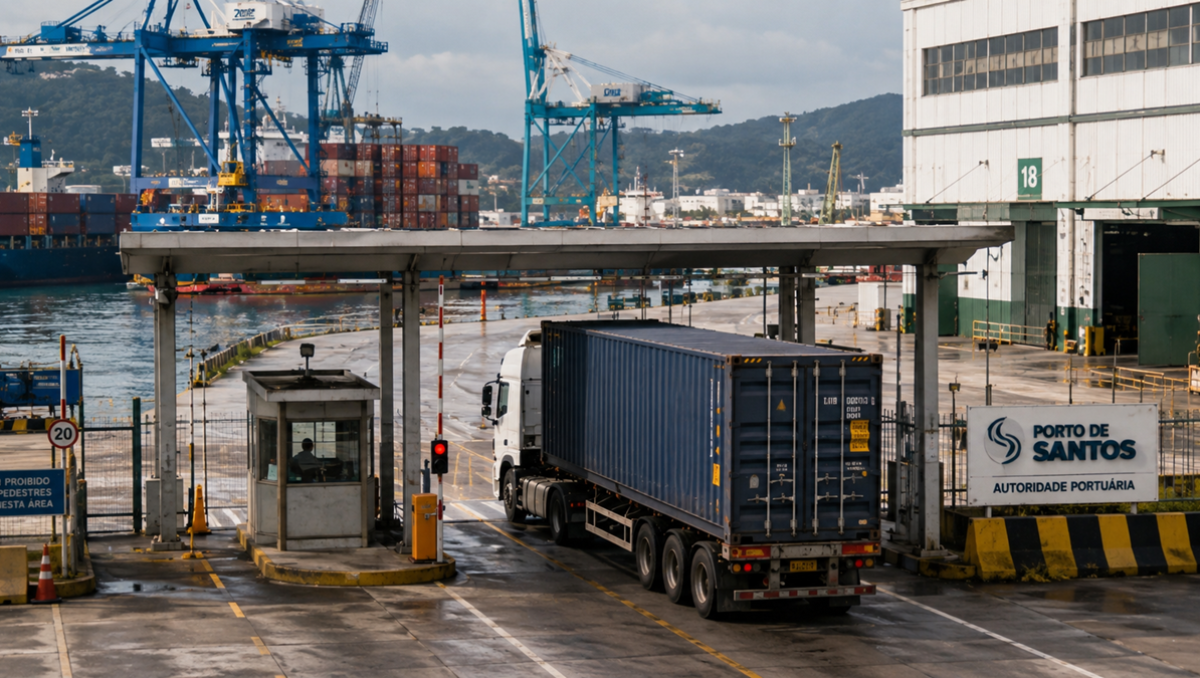
The growth in cargo movements at Santos Port, combined with pressure on existing infrastructure, has widened the challenges faced by companies dependent on foreign trade. Although debate typically focuses on impacts for terminals and shipowners, the effects quickly reach cargo owners, who now face delays, rising logistics costs, difficulties meeting contractual deadlines, and greater exposure to commercial and legal disputes.
According to a Neowise Consultoria survey, the increase in vessel queues pushed the average value of THC (Terminal Handling Charge), the fee charged for container handling, from a range between US$ 70 and US$ 100 per TEU in 2019 to around US$ 500 in 2026. The same study points out that average waiting time for berthing at Santos Port rose from approximately eight to nine hours to around 35 hours.
Santos Port Authority (APS) itself acknowledges the pressure on infrastructure. According to the entity, container movements at the complex grew 42% between 2019 and 2025, an increase that has required new investments to expand operational capacity and improve logistics efficiency. Ongoing initiatives include deepening the access channel and projects aimed at expanding logistics support areas.
For attorney Carolina Marchioli, specialist in Maritime Law and Foreign Trade at Marchioli & Minas Advogados, this scenario reinforces that company competitiveness depends not only on operational efficiency but also on the ability to anticipate risks.
"When infrastructure operates near its limit, the entire chain feels the effects. Delays in berthing, schedule changes, cost increases, and changes to logistics planning end up directly impacting importers and exporters. Many companies still concentrate their efforts on operations and leave risk management in the background. The problem is that when the impact arrives, it typically comes with additional costs, contractual conflicts, and the need to make decisions under pressure," she emphasizes.


Beyond immediate financial effects, the scenario requires greater integration among legal, operational, logistics, and foreign trade areas. Issues such as contractual responsibilities, communication with shipowners, document management, and defining strategies for exceptional situations become decisive for reducing losses during periods of greater pressure on the port system.
In this context, the adoption of preventive measures gains ground as a way to reduce conflicts and anticipate vulnerabilities. One of these initiatives is the program they developed called In House MM – Strategic Legal Immersion in Foreign Trade, developed by Marchioli & Minas Advogados to support companies in identifying legal and operational risks before they result in litigation or financial losses.
Conducted within the organizations themselves, in person or in hybrid format, the immersion brings together foreign trade, supply chain, and legal teams to analyze workflows, contracts, responsibilities, and critical points of operations.
The proposal is precisely to look at each company's reality, identifying weaknesses and points of concern before they become larger problems.
"No operation is immune to logistics bottlenecks. What differentiates companies is their level of preparedness to face them. When contracts, internal processes, and clarity about responsibilities are aligned, the organization gains the ability to respond more quickly to unforeseen events, reduce losses, and negotiate on more favorable terms. Prevention remains the most efficient tool for protecting operations," the attorney concludes.
```