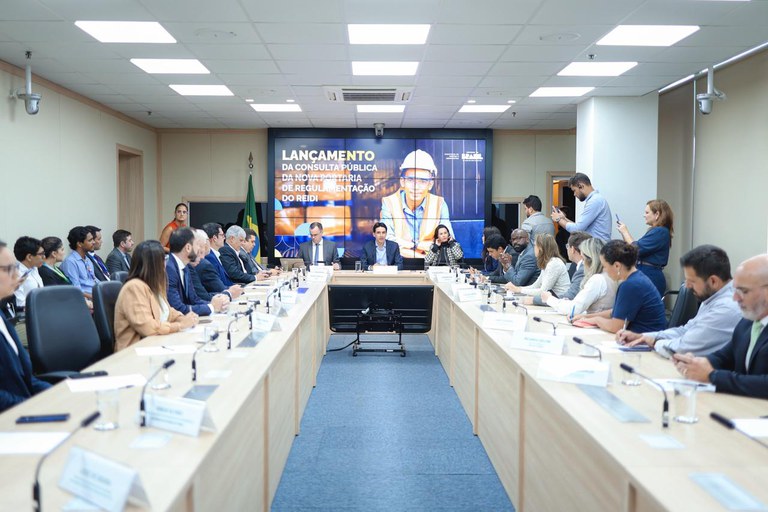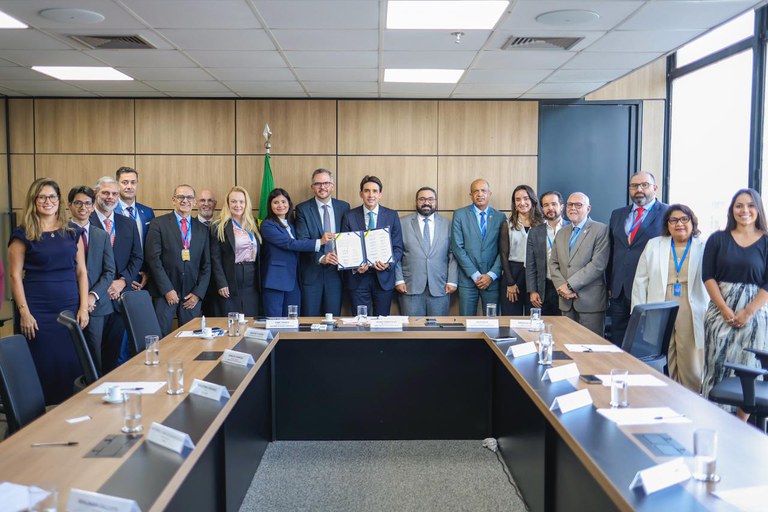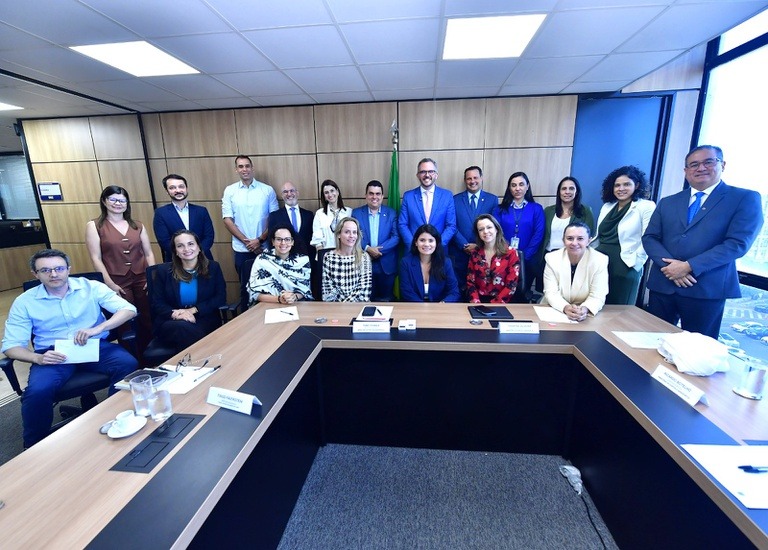
The Ministry of Ports and Airports (MPor) announced the creation of a Working Group (WG) to standardize rules applicable to concession processes for ports, airports and waterways. The initiative aims to increase legal certainty, enhance regulatory predictability and make infrastructure projects more attractive to investors.
The WG should always consider the economic and regulatory impacts in its decisions, as well as analyze aspects related to legal certainty, based on precedents from the Court of Auditors of the Union (TCU).
From an economic perspective, standardizing rules tends to reduce investors' risk perception, contributing to a decrease in the weighted average cost of capital for projects. The measure may also increase the attractiveness of concessions and facilitate financing for new infrastructure ventures.
The Minister of Ports and Airports, Tomé Franca, stated that the government has presented good projects and achieved important institutional stability in recent years.


"The relationship with the Executive Branch, with the courts—this is important for those investing in Brazil and, naturally, the strengthening of agencies to provide regulatory stability. This threefold approach is fundamental for us to continue consolidating and growing this infrastructure cycle," the minister added.
The Working Group will be coordinated by the Special Assessment of the Ministerial Cabinet and will have representatives from the Executive Secretariat, National Secretariat for Waterways and Navigation (SNHN), National Civil Aviation Agency (Anac) and National Agency for Aquatic Transportation (Antaq). External experts and entities may participate in discussions, but without voting rights.
The final report will have a deadline of 90 days for submission and will include studies developed and proposals for policy guidelines and regulatory improvements.
Tiago Faierstein, president and chief executive officer of Anac, believes the integration promoted by the group strengthens national infrastructure as a whole: "There is no developed country without developed port and airport sectors. What is being done here is something that is also not historically cultural, which is integration. We need to attract investment. We need to talk with the private sector and understand how we create a favorable environment," he said.