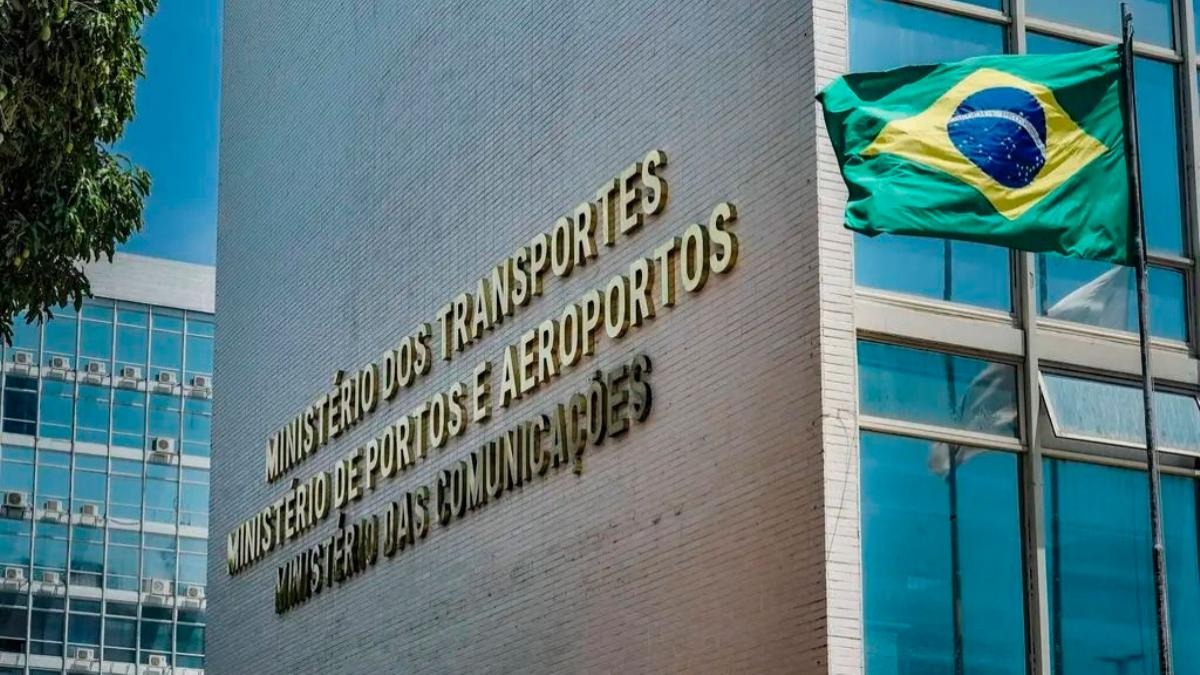
The Ministry of Ports and Airports (MPor) has begun structuring a new tool to monitor the capacity of Brazil's port system and identify, in advance, possible saturation points. The initiative aims to gather data on organized ports, Private-Use Terminals (TUPs) and the land and waterway access routes that integrate the logistics complexes.
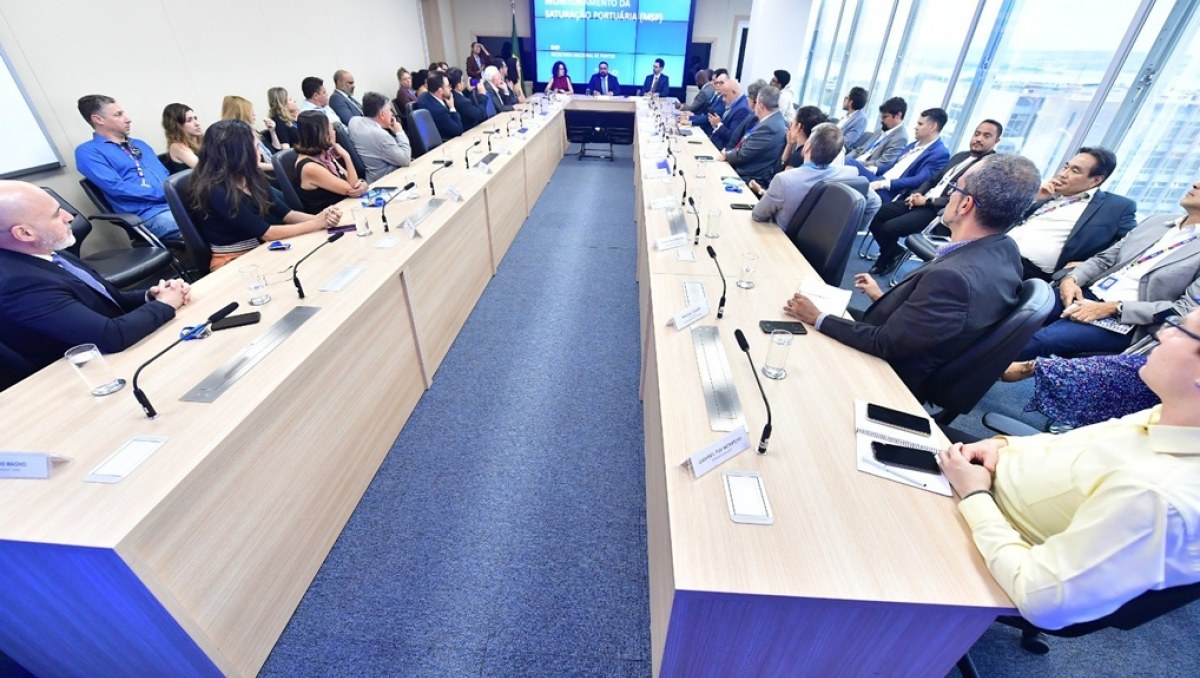
Dubbed Port Saturation Monitoring (MSP), the project is being developed by a Working Group coordinated by the National Ports Secretariat (SNP). The proposal is to create a technical database capable of comparing installed capacity with projected demand and monitoring indicators related to service levels.
According to the Ministry, the results should contribute to decisions on public and private investment and also assist in analyzing the need for new auctions and leases. The first edition of the monitoring is scheduled to be published in 2027.
Ports and access routes analyzed in an integrated manner
One of the central aspects of the MSP will be to consider the port system in an integrated way. Beyond terminal capacity, the survey should evaluate bottlenecks in land and waterway access routes.
The logic allows observation of not only how much a terminal can handle, but also whether the infrastructure needed for cargo arrival and departure keeps pace with growing demand.
The initiative also foresees the preparation of assessments with demand projections and capacity calculations for port complexes, including TUPs. To build this database, the MPor intends to consult companies, port users, industry entities, port authorities, control agencies, regulatory bodies, state governments and other sector representatives.
Data may guide new projects
According to the MPor, the monitoring will not replace the sector's current planning instruments. The tool should function as an additional information base and technical support to increase predictability and quality of decisions related to port infrastructure.


In practice, the data can be used in evaluating new projects, defining investment priorities and monitoring the evolution of demand for port capacity.
National Ports Secretary Alex Ávila stated that the tool should contribute to a more accurate assessment of the need for new auctions and leases, in addition to improving analysis of terminals already in operation.
First results expected in 2027
The first meeting of the Working Group is scheduled for September 18, 2026. After this stage, there are foreseen the selection of the technical partner responsible for implementation, consultations with representatives from the public and private sectors, and the preparation of contract terms.
The timeline presented by the Ministry foresees completion of this stage by December 2026, while the first publication of Port Saturation Monitoring is scheduled for 2027.
The creation of the MSP occurs at a time of expansion of the port infrastructure agenda in the country. In Santos, for example, the MPor has been highlighting projects such as Tecon Santos 10, the modernization of the access channel, the internal railway and other initiatives aimed at expanding the capacity and efficiency of the complex. According to the Ministry itself, Santos Port handled 92.8 million tons in the first half of 2026.
With the new monitoring, the government's expectation is to expand the ability to anticipate system needs, using demand, capacity and service level data as elements to support long-term planning of Brazilian port infrastructure.