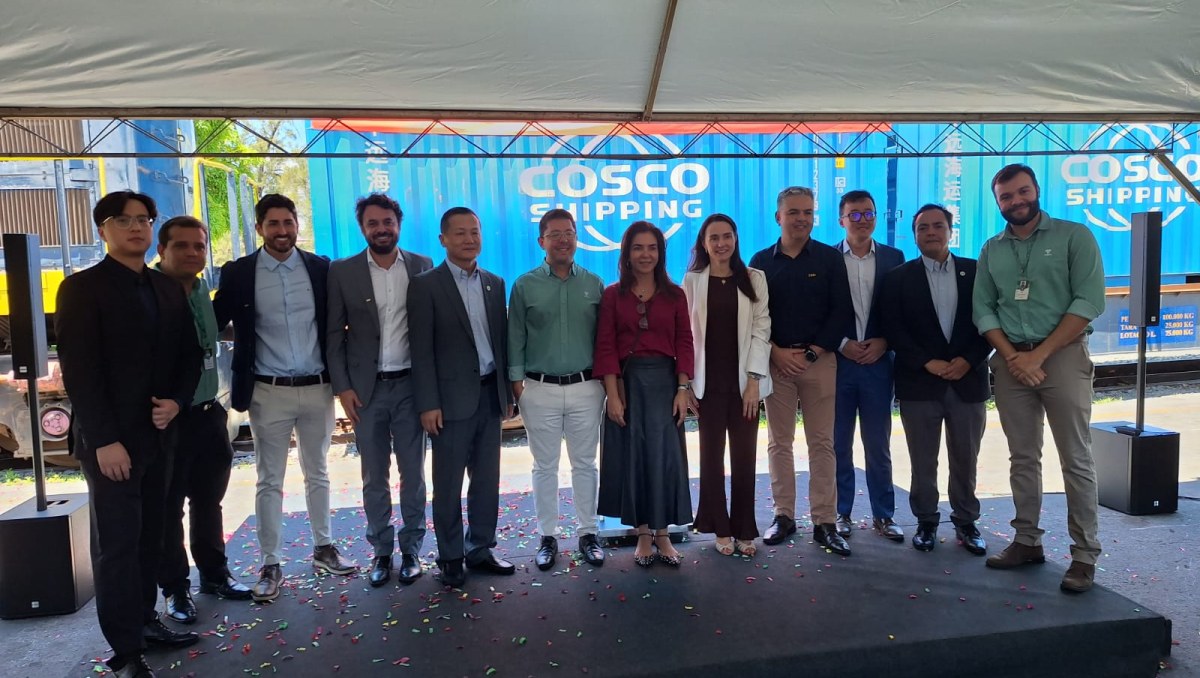
The integration between railway transport, logistics terminals and maritime shipping now offers a new alternative for exporters from Minas Gerais. MRS Logística, Chinese carrier Cosco Shipping and Grupo Tora have formed a partnership to connect cargo to the Port of Rio de Janeiro, bringing together different stages of the logistics chain in a single operation.
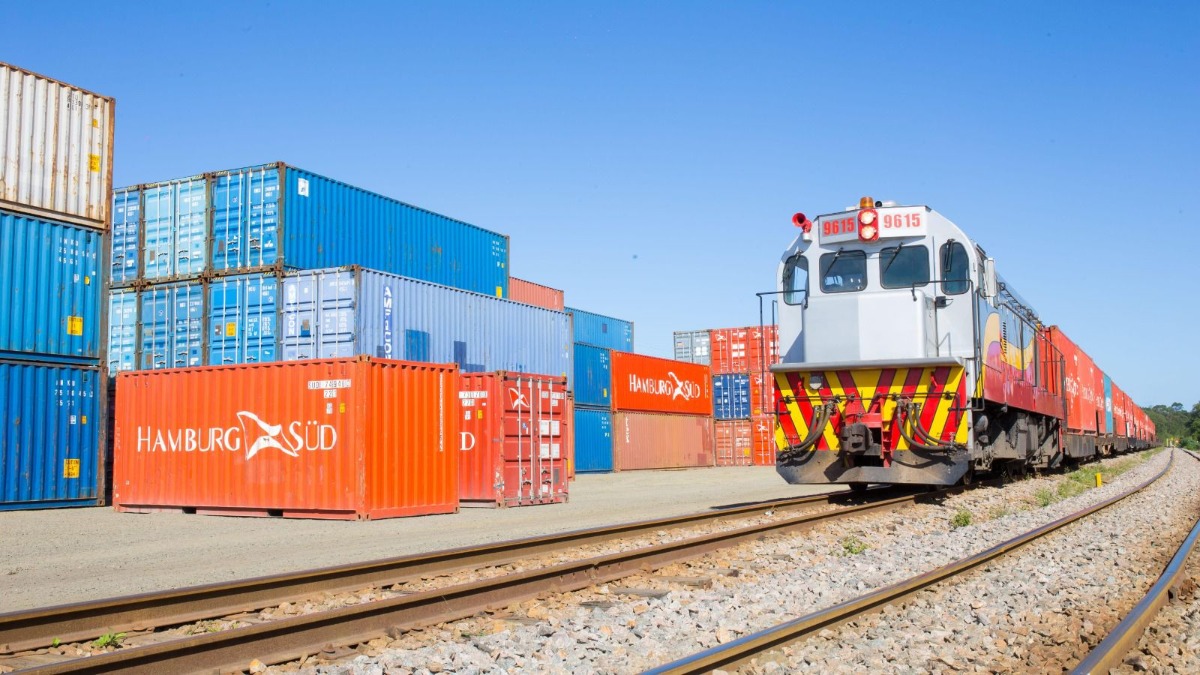
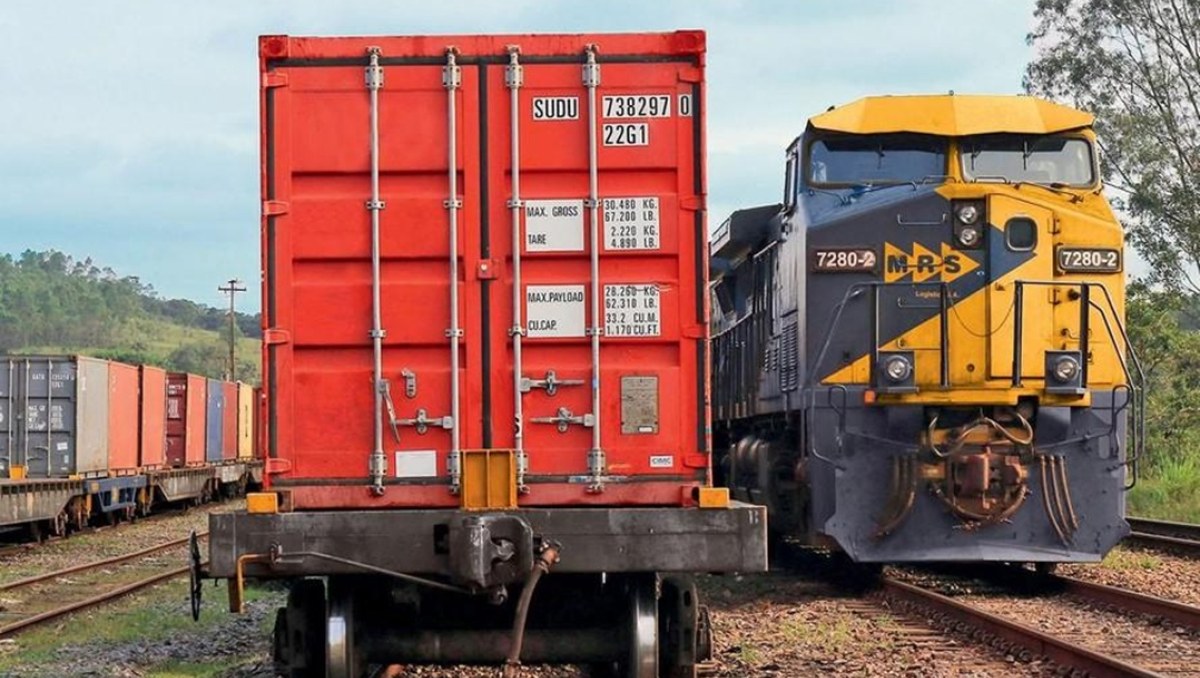
The model combines MRS's railway network, Grupo Tora's storage and handling infrastructure and Cosco's maritime connections. The proposal is to facilitate transport from the cargo's point of origin to international shipment, offering an alternative to road-only transportation.
Pig iron launches the operation
The operation began with pig iron exports packaged in containers. The flow provides for railway transport of empty units from Rio de Janeiro to Grupo Tora's terminal in Contagem (MG), where loading takes place.
After stuffing, containers travel by rail to the Port of Rio de Janeiro for shipment on Cosco vessels bound for the international market. The Contagem and Araçá terminals, in Rio's north zone, participate in the logistics structure.
The partnership may also serve industrialized cargo, palletized goods, cargo packed in bags and bulk merchandise that can be transported in containers.
Customs clearance before arrival at port
Another differential is the possibility of using the Special Export Customs Clearance Area (Redex), located at Grupo Tora's terminal in Contagem.


The structure allows certain customs clearance stages to be brought forward, including possible Brazilian Federal Revenue inspections, where applicable. With this, part of the procedures can be completed before cargo arrives at the port, contributing to the organization and predictability of the export flow.
Logistics integration in foreign trade
The initiative reinforces the importance of integration between railways, terminals and maritime transport for moving Brazilian production.
According to the companies, the model has potential for cost savings, safety and operational reliability gains. Actual results, however, will depend on cargo characteristics and conditions of each operation.
For the port sector, the connection between Minas Gerais and the Port of Rio de Janeiro expands the logistics alternatives available to exporters and highlights the role of multimodality in the competitiveness of Brazilian foreign trade.
```