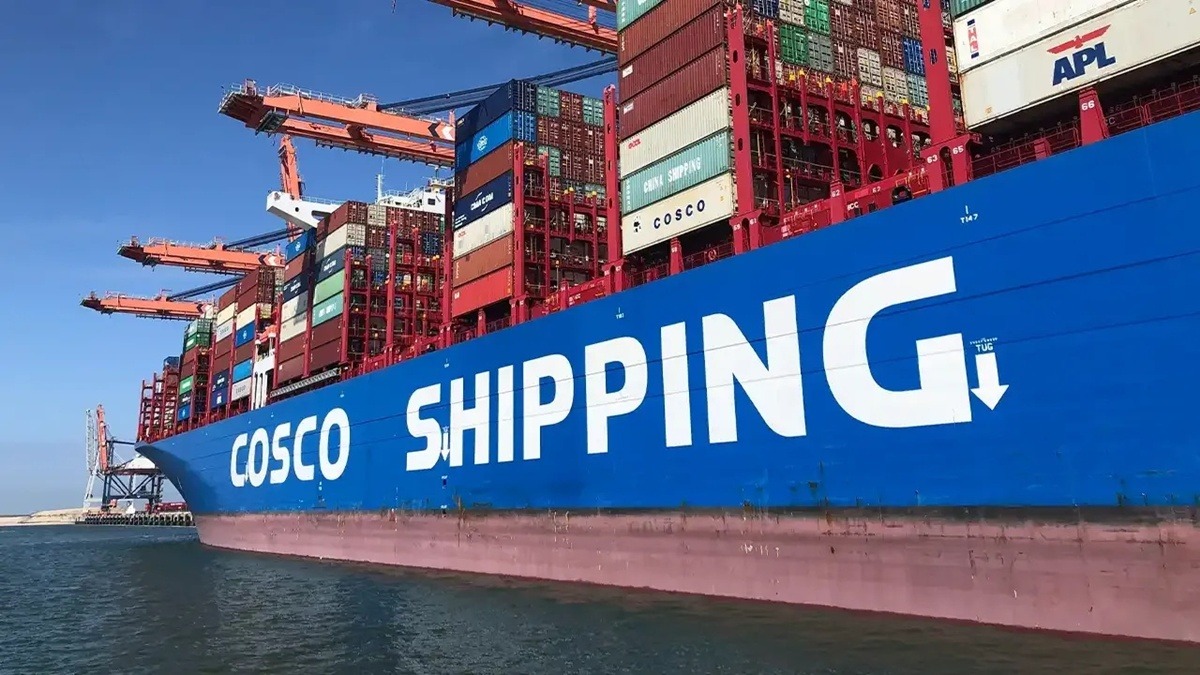
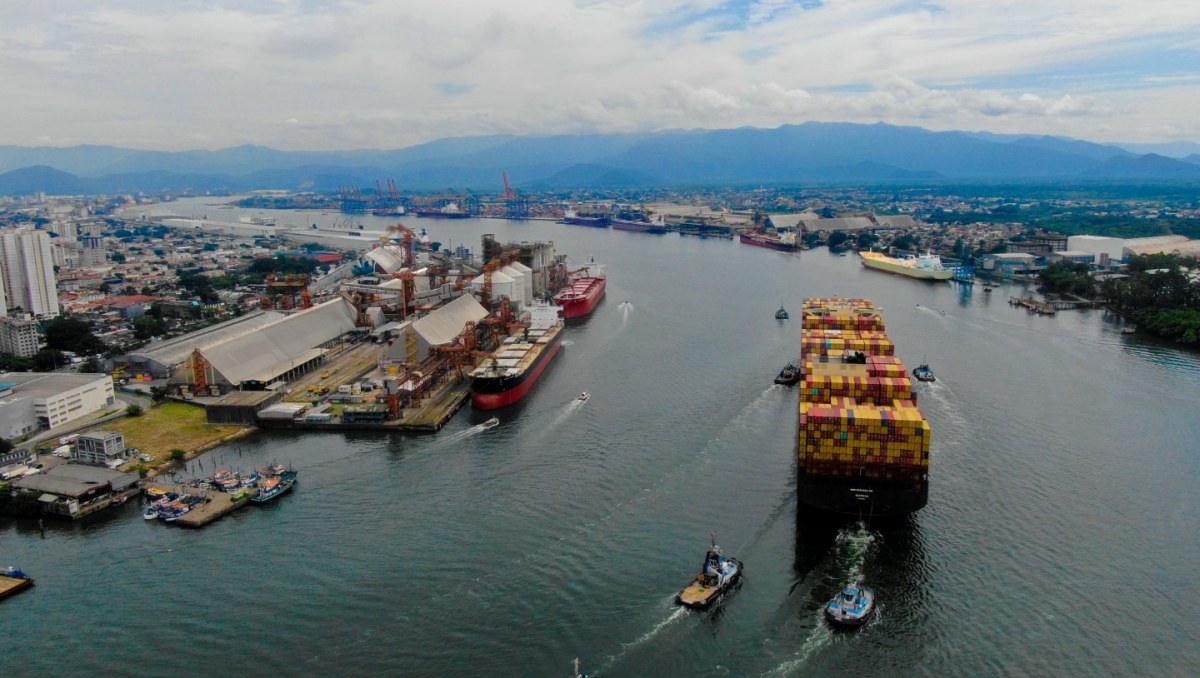
In large-scale port operations, it is not always major events that compromise results. Costs that appear marginal, when repeated over hundreds or thousands of cargo movements, can acquire significant dimension. And the problem becomes even greater when expenses that could be legally questioned become incorporated into routine as simple operational cost. Container overstay, known in the market as demurrage, is a good example of this reality.
In general terms, the charge is associated with container use beyond the free storage period established for its return. Its economic function is legitimate: to encourage equipment circulation and compensate the carrier for container unavailability. ANTAQ (National Agency for Aquatic Transport) itself has already highlighted that demurrage should serve a compensatory function and help prevent logistical bottlenecks. The problem begins when the charge ceases to reflect a delay genuinely attributable to the user.
ANTAQ Resolution No. 62/2021 establishes specific rules for demurrage. Among other points, it determines that the conditions and values of the charge, as well as the free storage period, be made available by the time of space reservation confirmation. The regulation also defines the counting milestones and establishes that the user's responsibility ends, upon discharge, with the return of the empty container at the agreed location, under the conditions set forth in the regulations.
In practice, however, logistical operations are far more complex than simple day counting. Terminal congestion, unavailability of return windows, difficulties in receiving empty containers, and other operational events can prolong equipment use time without that extension necessarily resulting from a user decision or failure. It was precisely this reality that led ANTAQ to deepen the discussion.
In Agreement No. 521/2025, the Agency established as a fundamental premise that the incidence of demurrage presupposes that container use beyond the free storage period stems from the user's business interest, choice, fault, or risk. Conversely, it concluded that there should be no charge when the extension results from an act, omission, or logistical failure under the responsibility of the carrier, the terminal designated by it, or the empty depot, or from an event allocated to the risk of these parties.
The shift in perspective is significant for managing port operations. The question ceases to be merely how many days have elapsed and becomes why the container was not returned within that period and to whom this fact can be legally attributed. This apparently simple difference can have important financial implications.
In 2025, ANTAQ's Special Container Inspection Group analyzed more than 500 complaints. The Agency also conducted 240 conciliation hearings related to demurrage charges, resulting in 176 agreements and an estimated savings of R$ 23 million for users. The numbers help illustrate how a contractual and regulatory controversy can cease to be a peripheral issue and assume direct relevance to operational costs.
``` ```html

And here, perhaps, lies the point that deserves the closest attention: companies accustomed to complex operations develop efficient mechanisms to control expenses, deadlines and productivity. But certain costs can become normalized over time precisely because they arise dispersed across different shipments, contracts and suppliers. Individually, they seem small. When viewed together, they can reveal a relevant financial exposure.
For this reason, demurrage management should not be limited to invoice verification. It demands understanding contracts, documenting events that prevented return, identifying responsibilities and challenging the billing against applicable regulatory rules. The same reasoning applies to other expenses that arise in the daily flow of port operations. Not every operational cost is inevitable. In certain cases, what appears accounting-wise as an expense may conceal a contractual or regulatory controversy that simply went unidentified.
In a sector of squeezed margins and elevated logistics costs, this distinction matters. Because accepting as inevitable what could be legally contested is turning contractual risk into operational loss.
Greater rigor in traceable controls, which are means of proof, can make a significant difference at that moment.
A boost to cash flow is always welcome too.
*Paulo Franco (paulo.franco@francoadv.com) is founding partner of Franco Advogados and a lawyer with over 20 years of experience in high-complexity litigation and business structuring, with prominent track record in the port and infrastructure sectors. https://www.linkedin.com/in/paulo-franco-319b4519
```