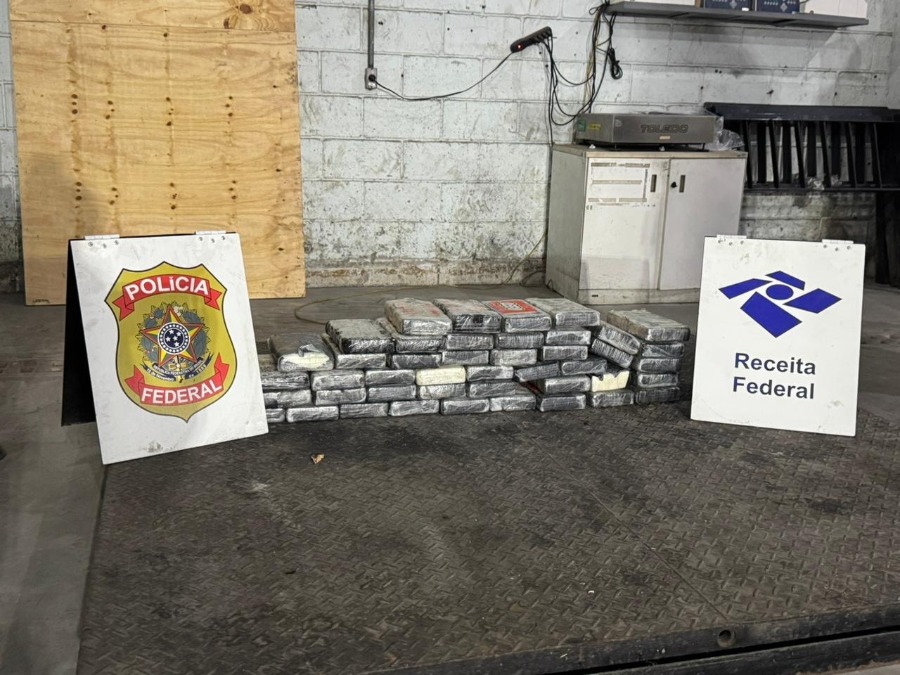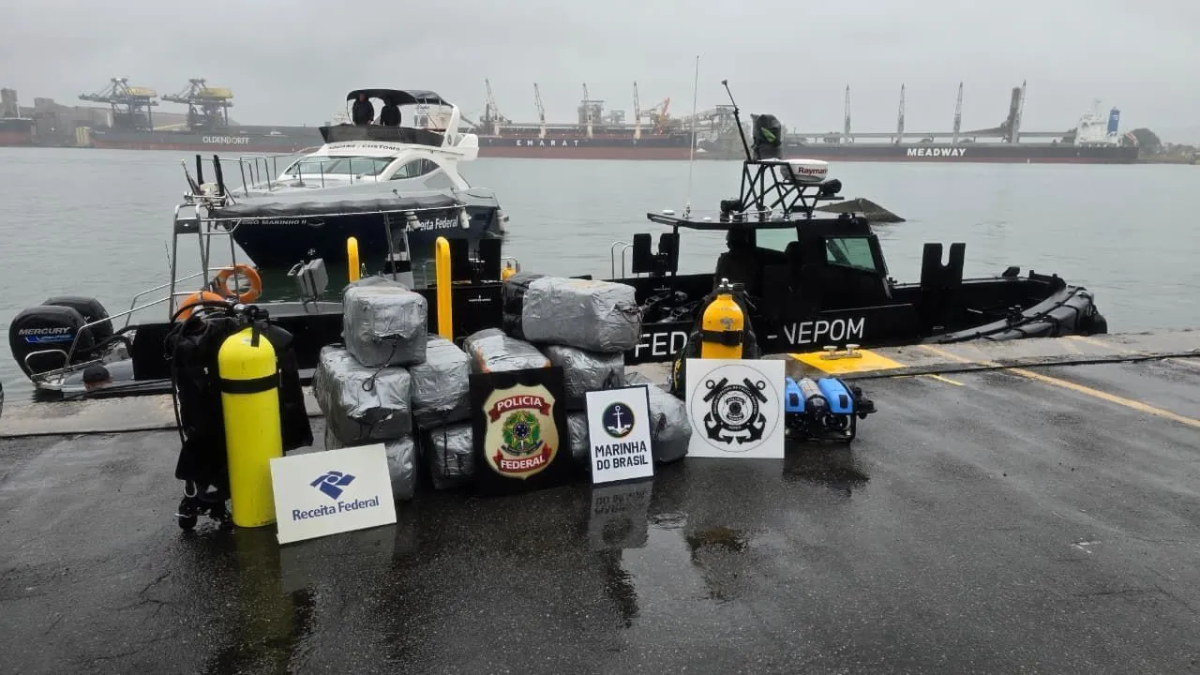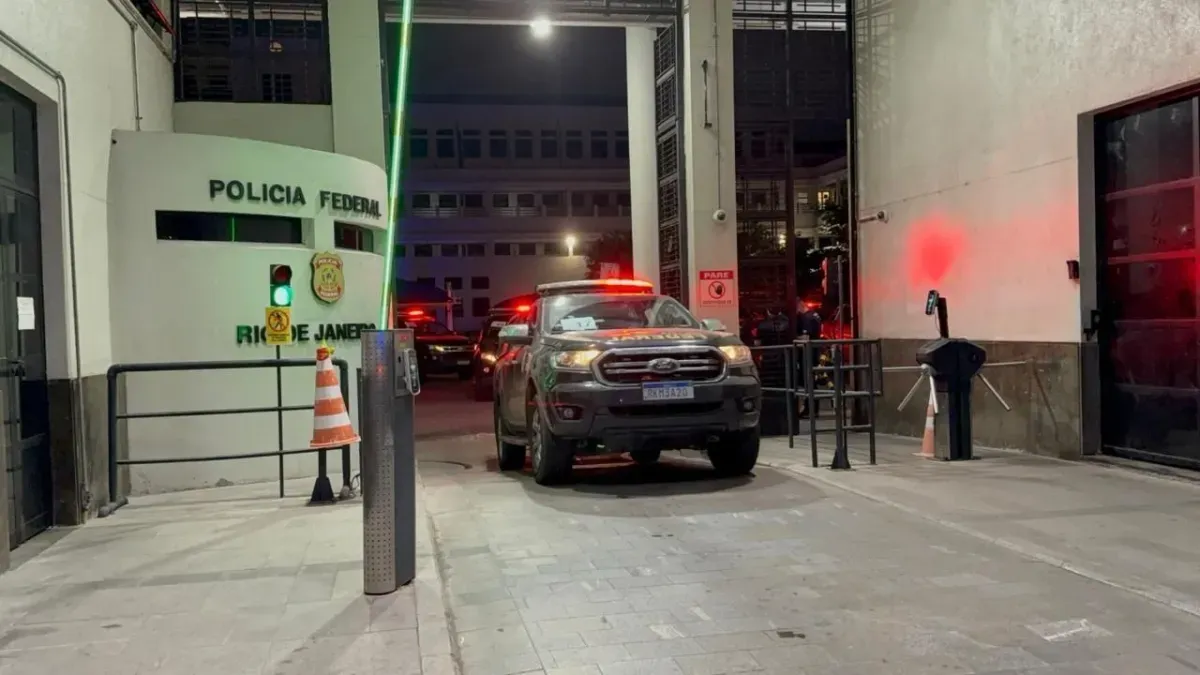
The Federal Police (PF), the Brazilian Federal Revenue (RFB) and the Federal Public Ministry (MPF) launched Operation Mare Liberum on Tuesday (28th), investigating a bribery scheme at Rio de Janeiro Port. The estimated loss to public coffers is half a billion reais due to irregular container clearance.
According to the agencies involved, this is the largest operation ever conducted by the Federal Revenue's Internal Affairs Office. Teams were deployed to execute 45 search and seizure warrants against importers, customs brokers and public servants.
Federal police officers, tax inspectors and prosecutors went to addresses in the capital and in the cities of Niterói, Nilópolis, Nova Friburgo and Vitória (ES). Among them are the customs houses at Rio de Janeiro Port and Galeão and the Federal Revenue Superintendency in Rio de Janeiro.
Investigations began in 2022, prompted by internal control mechanisms and complaints, and reveal the existence of a criminal organization formed by public servants, customs brokers and businesspeople.
The investigated individuals may face charges including corruption, criminal association, smuggling, customs evasion (importing or exporting goods permitted by law without paying due customs taxes) and money laundering, depending on how the investigation progresses.
More than 100 Federal Revenue servers and around 200 police officers participated in the operations carried out in the two cities. Federal Revenue stated it is implementing measures to maintain fluidity of port operations, in addition to reviewing procedures carried out during the investigated period.


The court also ordered the removal from office of 17 tax auditors and 8 tax analysts, as well as the seizure of up to R$ 102 million in assets belonging to those involved. Nine customs brokers were banned from conducting activities at Rio de Janeiro Port.
A Federal Revenue analyst was also arrested in flagrante for carrying a firearm.
The investigation, which involved the Federal Revenue's Internal Affairs Office and the Public Ministry's Specialized Unit to Combat Organized Crime (Gaeco), began with a complaint about a scheme among Port Customs House servers, importers and customs brokers to facilitate smuggling and customs evasion through the offer of economic advantage.
The investigation indicated the clearance of containers without proper inspection. In many cases, the released goods did not match the import declarations issued by companies, resulting in tax suppression and loss to the government.
Investigations indicate different operational fronts, including clearance of cargo with inconsistencies, favoring operations in the oil and gas sector and receipt of payments from port operators. Practices such as improper reduction of taxes, irregular reversal of penalties and targeted redistribution of cases were also identified.
```