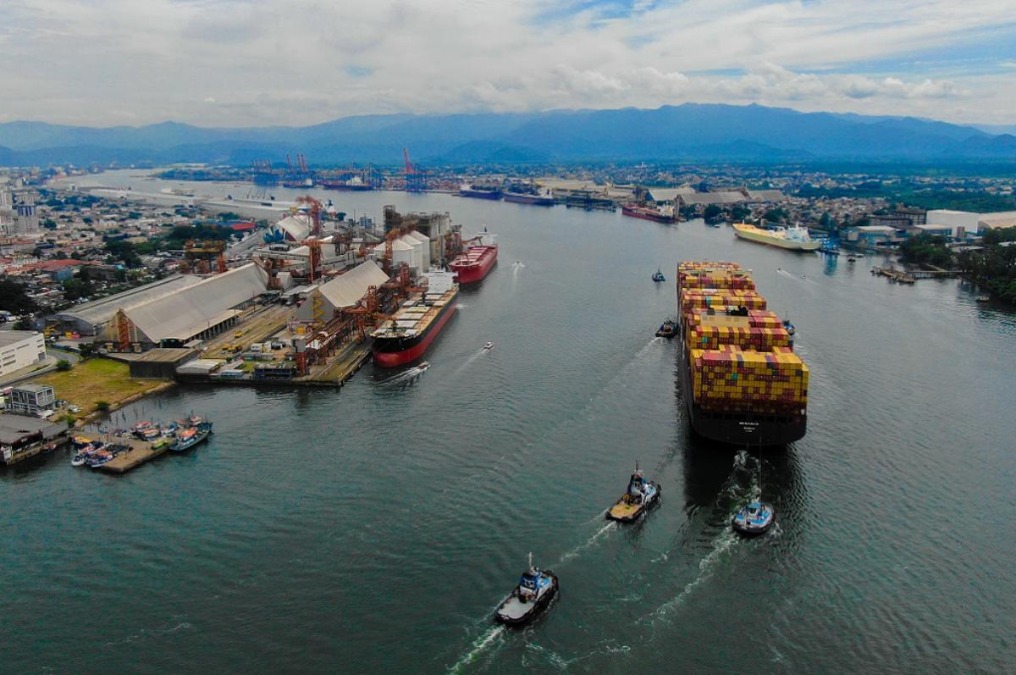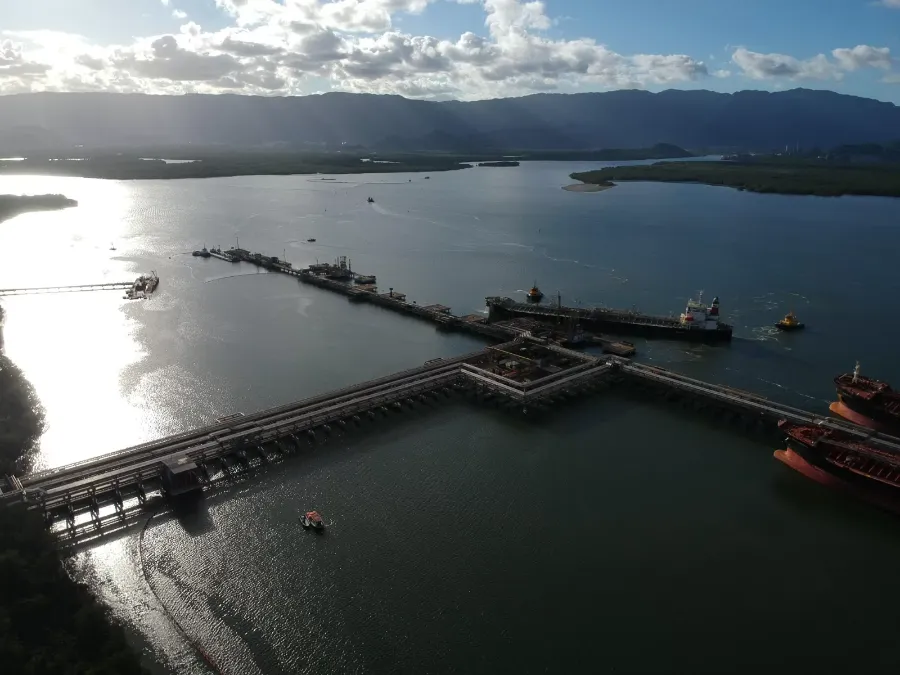
The Santos Port Authority (APS) reported that cargo throughput at Santos Port reached 16.9 million tonnes last month, a record for March and the second-highest figure recorded in any month in its history. The total for the entire quarter amounted to 42.8 million tonnes, surpassing the total throughput for 1999, which was 42.7 million tonnes, and coming close to the best annual result of the 20th century, which was 43.1 million tonnes.
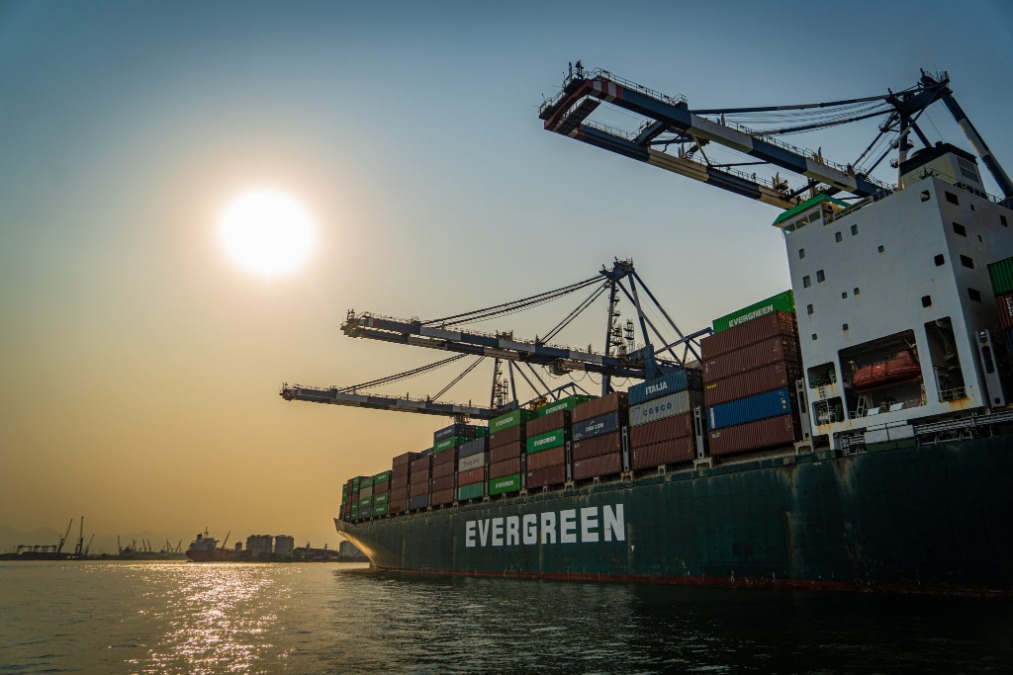
Container throughput also posted a record of 485,000 TEUs, an increase of 5.4% compared to March 2025 and the best historical performance for March. The quarterly cumulative registered 1.4 million TEUs, representing growth of 3.6% compared with the first quarter of last year.
Liquid bulk cargo also contributed significantly to the result. This quarter's throughput was 5 million tonnes, an increase of 11.6% compared to the same period in 2025 and the highest cumulative for a first quarter in the historical series.
Among solid bulk cargoes, the quarter's total was 20.5 million tonnes, an increase of 11.6% compared to the same period in 2025 and growth of 5.2% compared to the first quarter of the previous year.


Furthermore, Santos Port's share of Brazilian commercial flow reached 28% in the sum of the first three months of 2026, according to the APS. During this period, China established itself as the main commercial partner of the port complex, accounting for approximately 30.7% of commercial transactions originating from or destined for Santos Port, with throughput of US$ 12.98 billion.
Another highlight was the United States, which held the position of second-largest partner with US$ 4.39 billion. In terms of states, São Paulo led the flow, with US$ 21.84 billion, representing 51.9% of total export and import operations via Santos Port in the quarter.
"These numbers prove the strength of Santos Port and the strong and responsible work of the port community and the public manager of this giant Brazilian asset. We must take pride in this Port and that is why we work to prepare it for the next 20 years," said APS president Anderson Pomini.