The modernization process of Santos Port's infrastructure has gained new momentum with the issuance of an Installation License granted by Ibama for rock removal works in the navigation channel. The authorization enables Santos Port Authority (APS) to begin the removal of three submerged rock formations that limit progress on future channel deepening works.
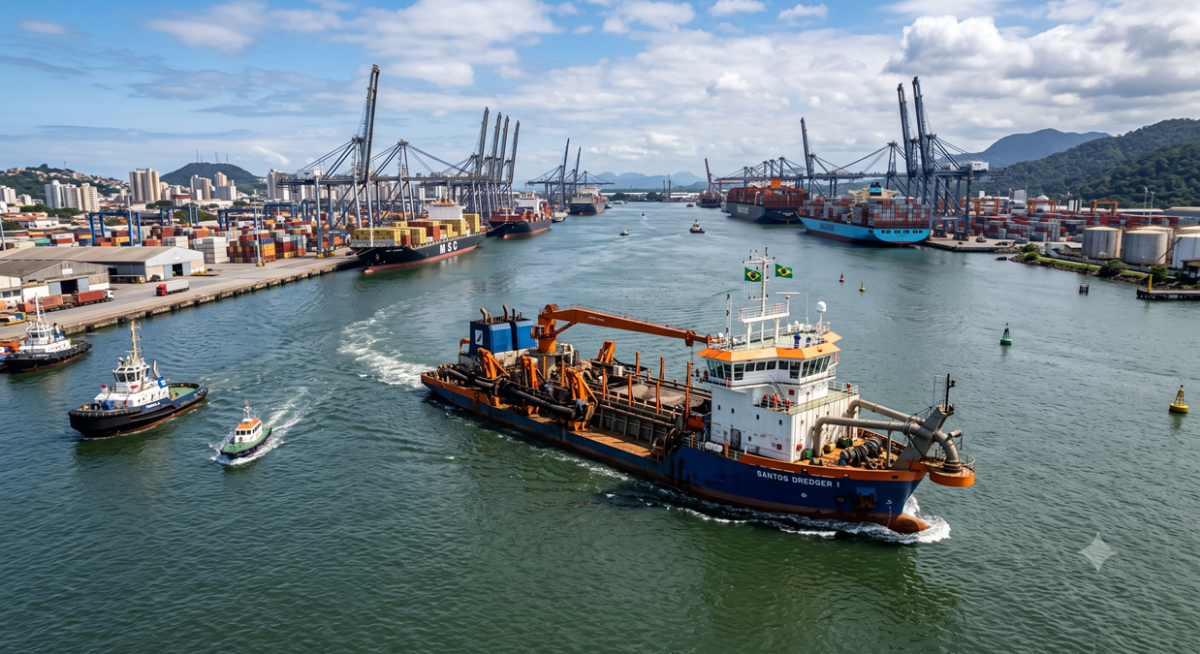
The interventions are scheduled to occur between July and October and are part of a set of investments aimed at expanding operational efficiency of Latin America's largest port. The services will be executed at three strategic points in the estuary: Pedra do Barroso, near Barnabé Island; Pedra do Itapema, in the Outeirinhos region; and Pedra do Teffé, close to the Concais passenger terminal.
According to APS, these rock formations represent natural obstacles that prevent channel deepening through conventional dredging. Their removal will allow future dredging campaigns to reach depths compatible with growing demand for larger vessels, a trend observed on major international maritime trade routes.
Explosive-free technique reduces environmental impacts
One of the operation's distinctive features will be the use of so-called cold cutting, a technology that dispenses with explosives.
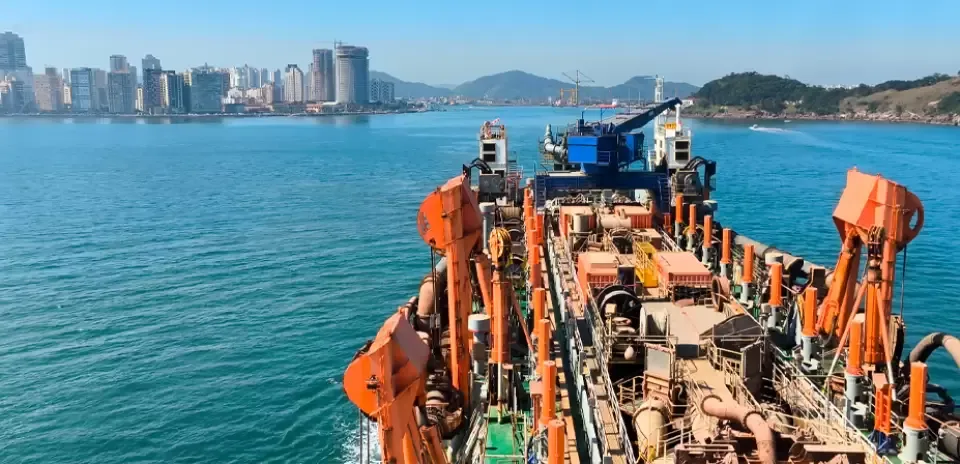
In this process, rocks are mechanically fragmented by specialized equipment, such as a cutter head, and subsequently removed by dredges equipped with special grabs. In addition to increasing operational safety, the method reduces vibrations, minimizes impacts on aquatic fauna, and avoids more severe disruptions to port operations.
Before rock removal, approximately 12,000 cubic meters of sediments accumulated on the channel bottom will also be removed. This material will be disposed of in the Ocean Disposal Polygon authorized by environmental agencies, while rock fragments may be reused in public works, contributing to more sustainable waste management from the intervention.


Work prepares Santos Port for new generation of vessels
Navigation channel deepening is considered one of the main structuring works for Santos Port's future.
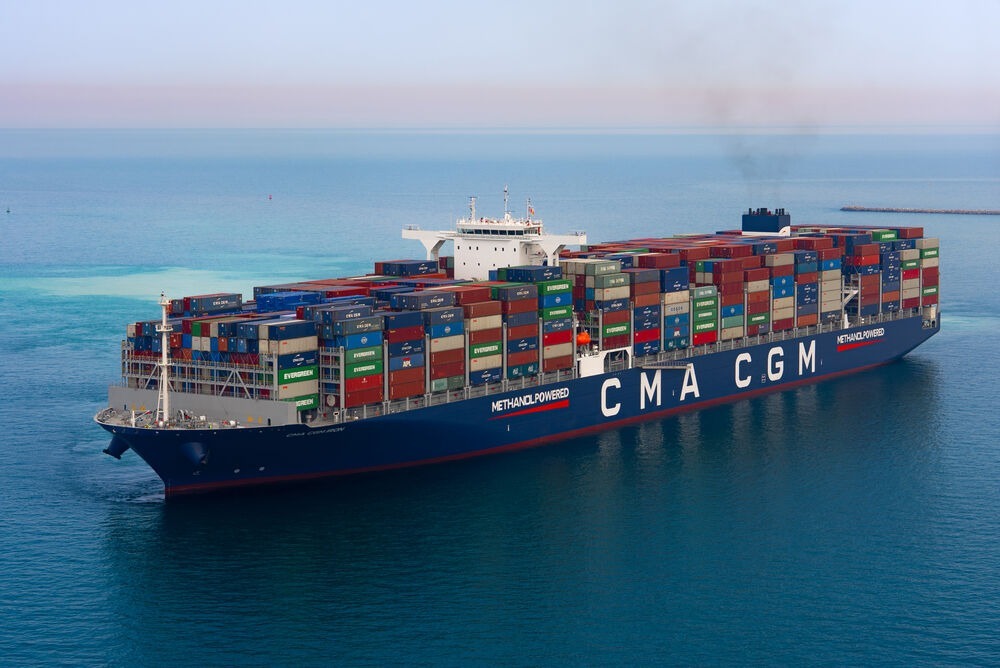
In recent years, the maritime industry has recorded continuous growth in the size of container ships, bulk carriers, and general cargo vessels. This evolution demands deeper and safer channels, capable of accommodating vessels with greater draft and higher transport capacity.
Experts point out that investments of this nature increase the competitiveness of the port complex, reduce operational constraints, and strengthen Santos Port's position as the main gateway for Brazilian foreign trade.
Operation will have permanent monitoring
During work execution, there may be occasional interruptions in vessel traffic in areas directly affected by the intervention. According to APS, all activities will be coordinated with maritime authorities and will follow strict navigation safety and environmental monitoring protocols.
The issuance of the environmental license represents another step in the modernization process of Brazilian port infrastructure. Combined with channel deepening projects, terminal expansion, and improvements in land access, the intervention seeks to prepare Santos Port to meet growth in cargo handling over the coming decades, consolidating its position as the country's main logistics hub.
```