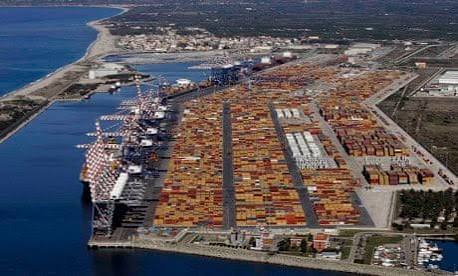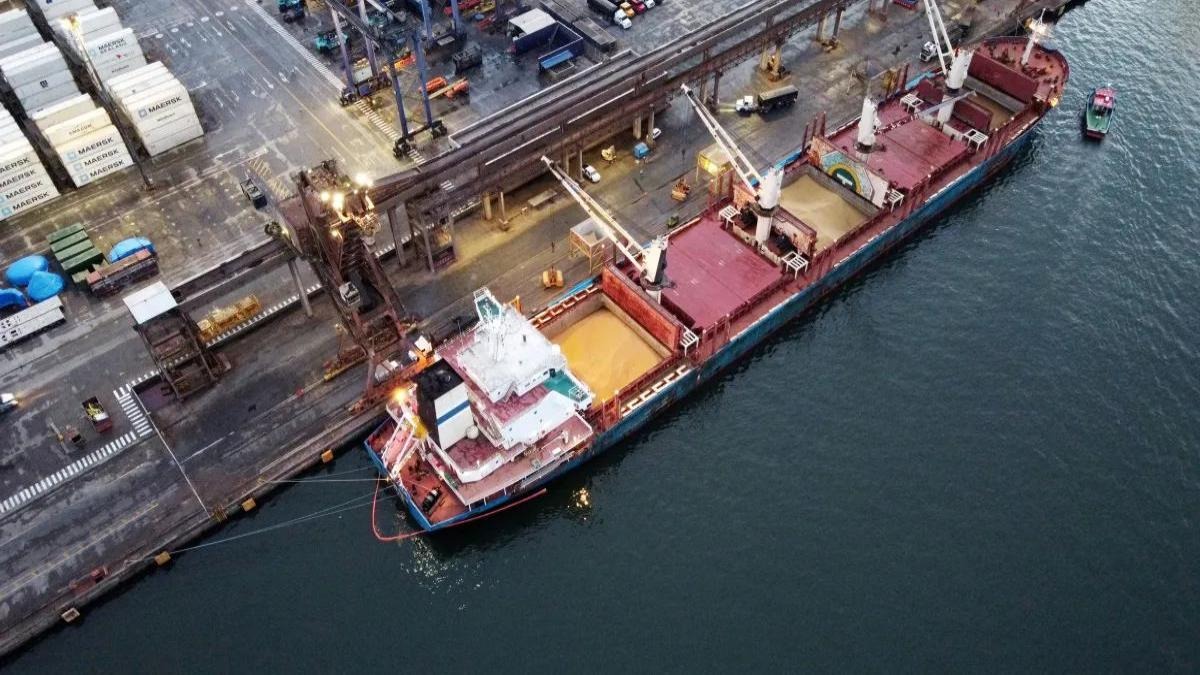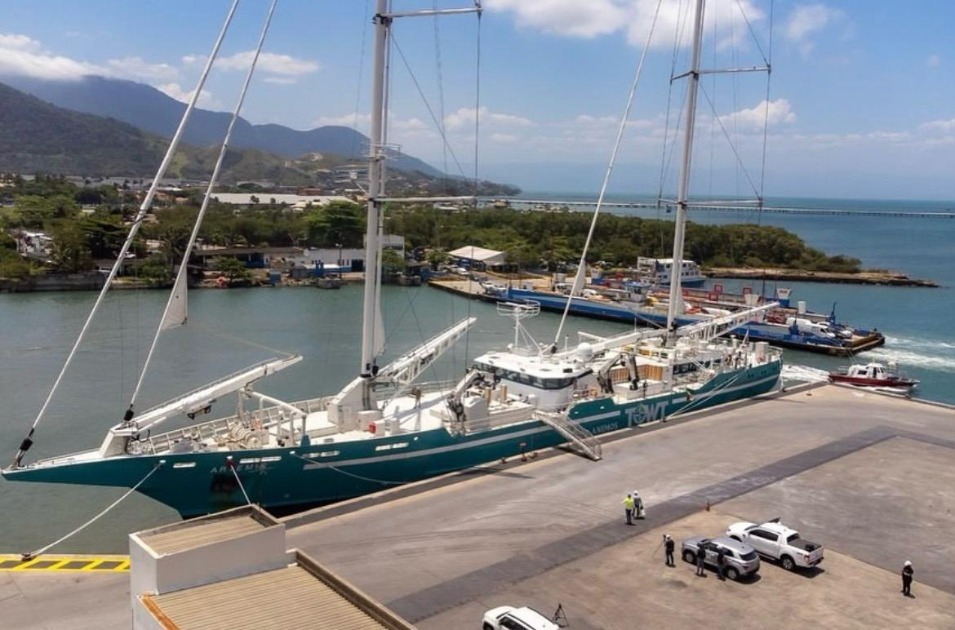
The ports of the European Union's Ultraperipheral Regions have decided to strengthen cooperation among themselves and present a joint position on the future European Ports Strategy, in a move that seeks to give greater political weight to port realities often treated at the margins of major decision-making in Brussels.
The message is clear: these ports do not want to continue being analyzed by the same standards applied to major continental ports. Distance from central European space, near-total dependence on maritime transport, smaller local market scales, and proximity to competing ports outside the Union create a unique context that demands specific responses and greater political sensitivity from European institutions. This joint effort brings together port infrastructures from Portuguese, Spanish, and French territories, a bloc that aims to assert the strategic role of ultraperipheral regions on Europe's maritime map.
More than simple supply or island-connection points, these ports present themselves as essential pieces for territorial cohesion, logistics continuity, and European presence in areas geographically distant from the continent. One of the central points of this common position concerns the application of new European legislation linked to decarbonization and energy transition. Ultraperipheral ports warn of the risk that some of these measures, if applied without differentiation, could increase costs, harm competitiveness, and cause traffic diversion to neighboring ports located outside the European Union's regulatory framework. The concern is not theoretical. For these regions, the port is not merely an economic infrastructure: it is a condition for the territory's functioning.
Beyond the regulatory dimension, the position also advocates greater access to European funding for modernization, digitalization, energy transition, and enhanced connectivity. There is also a clear commitment to valuing human resources through training, experience-sharing, and the creation of technical cooperation mechanisms among different port administrations. Among the proposals on the table is the establishment of a permanent representation structure with the European Commission, aimed at ensuring that ultraperipheral ports gain regular and organized voice in decision-making processes. Essentially, what is at stake is an attempt to move beyond simply reacting to already-made rules and instead influence, from the outset, how these rules are shaped. This joint understanding shows that ultraperipheral ports are increasingly aware that only through political coordination and strategic vision can they defend their interests in a rapidly transforming European environment.


This publication was generated from information in the original feed. Credits and source reference have been included at the end of the text.
Source: https://portaldomar.org/2026/03/15/portos-ultraperifericos-unem-se-para-defender-posicao-comum-na-europa/
```