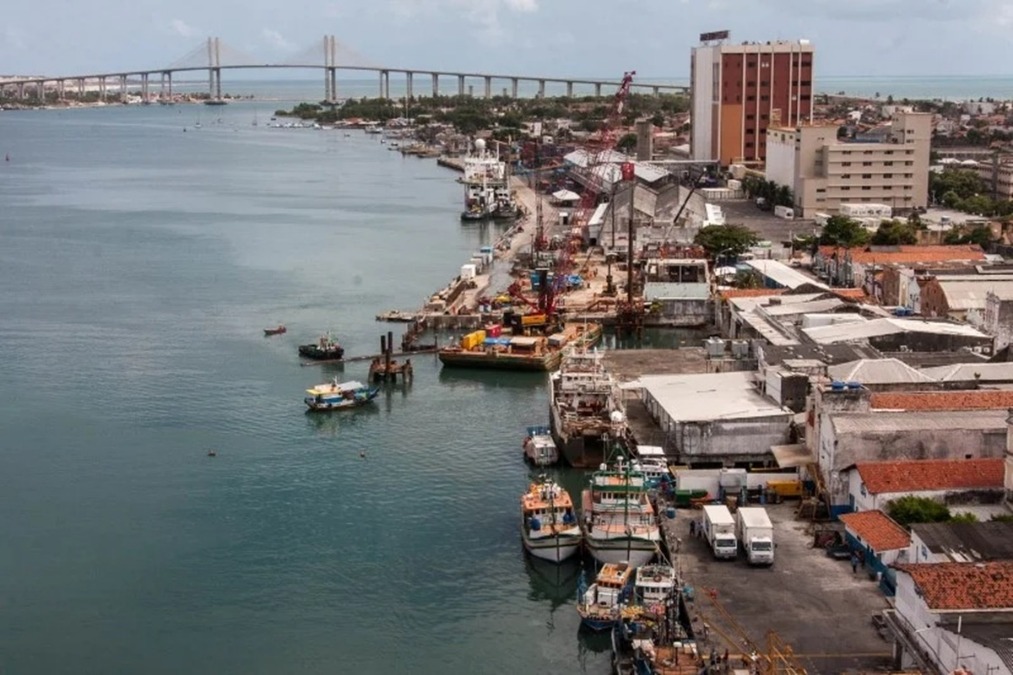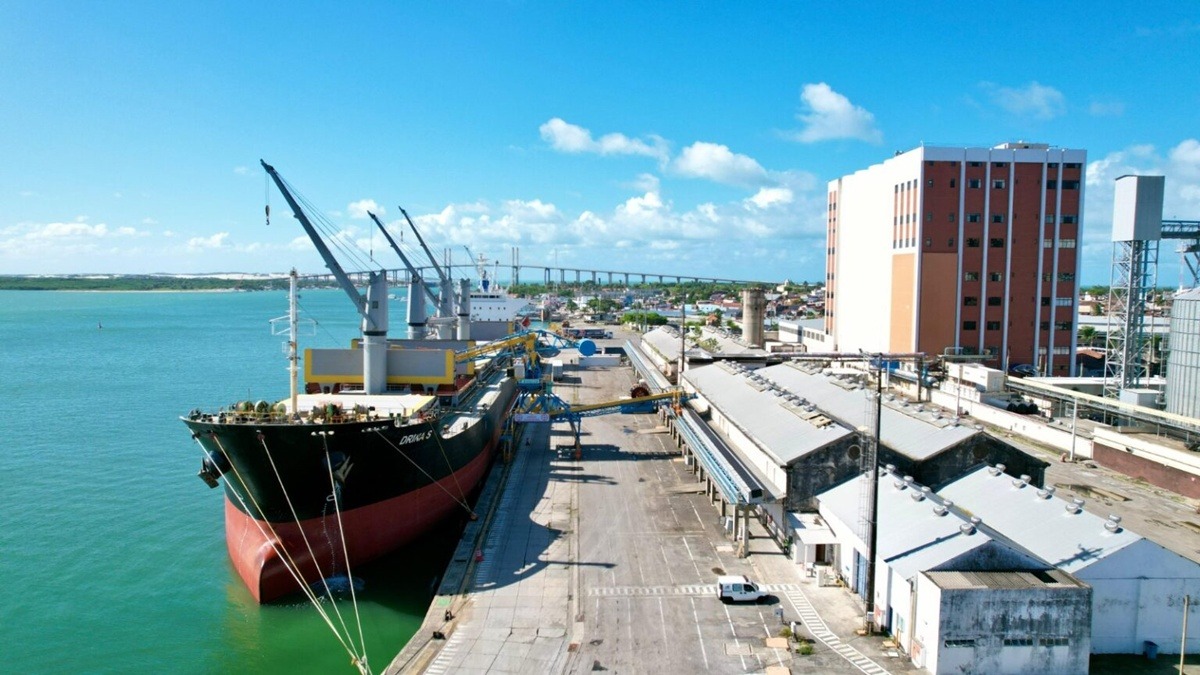
Port workers in Rio Grande do Norte are due to decide this Friday (27th) whether to enter a strike state at Natal Port. The mobilization is motivated by reports of non-compliance with the Collective Labor Agreement (ACT) and by impasses in wage negotiations with Companhia Docas do Rio Grande do Norte (Codern).
According to the Union of Workers in Port Services in RN, the ACT signed in December 2022 provided for a wage adjustment of 24.35%, with a guarantee of a minimum increase of R$ 500 in base salary. However, according to the entity, the rule would not have been applied in full for most job categories.
The union president, Magno Santos de Farias, claims that only higher-level workers received the adjustment as provided. The rest would have received only the percentage, with the difference up to R$ 500 paid as a supplement, without incorporation into salary.
According to the union, this model generated losses over time, since the supplementary amount is not considered for calculations of promotions and seniority advances. The entity estimates that around 100 workers were affected, mainly those with lower salaries, and points out that there are cases of base remuneration below the minimum wage.
Beyond the disagreements over the agreement, the category also criticizes the progress of more recent negotiations. After a 1.5% adjustment granted previously, Codern's current proposal would be 3.1%. Combined, the indices would represent an increase of 4.6% over four years, below accumulated inflation in the period, according to the union.
Another point of claim is payment of hazard pay for workers in the operational area, a matter that is also under debate between the parties.


The assembly this Friday should define the next steps of the movement. The proposal under discussion provides for a staged mobilization, beginning with public acts in front of the company, with use of a sound truck and partial stoppages, which could escalate to a strike if there is no progress in negotiations.
Contacted, Codern stated that the current collective agreement remains valid and that negotiations for the next period are underway. The company reported that it has already presented a proposal to the category and is awaiting analysis.
Regarding the complaints, the company stated that the provided payments have been made, but acknowledged a difference in interpretation as to the form of calculation, a matter that is being discussed in court. Codern also denied that there are workers receiving below the minimum wage.
Regarding hazard pay, the company reported that it follows judicial expert determinations and meets legal parameters, noting that it maintains dialogue with the category within budgetary constraints.
The impacts of any eventual stoppage remain uncertain, but could affect operations scheduled for the coming months, including specific movements such as live cargo transportation. In addition, mobilization acts could have effects on traffic in the Ribeira area, in Natal.
```