Bill 733/2025 represents a new attempt to reformulate the regulatory framework of the Brazilian port sector, but its scope should not be directly compared to the impact produced by Law 12.815, of 2013.
The assessment comes from a consultant specialized in the port sector, heard by Ports e Navios, when analyzing the changes foreseen in the proposal currently under consideration in the Chamber of Deputies.
Presented in February 2025 by deputy Leur Lomanto Júnior (União-BA), Bill 733 establishes rules for the Brazilian Port System, including aspects related to port operations, port activities and port labor. The original text also provides for the repeal of Law 12.815/2013.
The difference in context is one of the points highlighted in the analysis. The 2013 Ports Law brought about a broad change in the organization of the sector, establishing new rules for concessions, leases, authorizations and the operation of port facilities.
Bill 733, meanwhile, arrives in a regulatory environment that has undergone more than a decade of adaptations and changes. Therefore, the proposal currently under discussion tends to act upon a structure that is already consolidated, even though it proposes important amendments.
Project involves different areas of the sector
The text under consideration brings together changes that affect various components of port activity. Among the topics are port exploration and administration, contracts, authorizations, concessions, port labor, the role of the National Agency for Waterway Transport (ANTAQ), dredging and matters related to environmental licensing.
The breadth of the proposal also explains the amount of contributions presented during the legislative process. The special committee received hundreds of amendments to the bill, reflecting the diversity of interests involved in the discussion of the new regulatory framework.


Among the points generating debate are the rules for hiring port workers and the operating model of Labor Management Bodies (OGMOs). Proposals related to exclusivity and priority in hiring are among the topics that remain at the center of discussions.
Legislative process
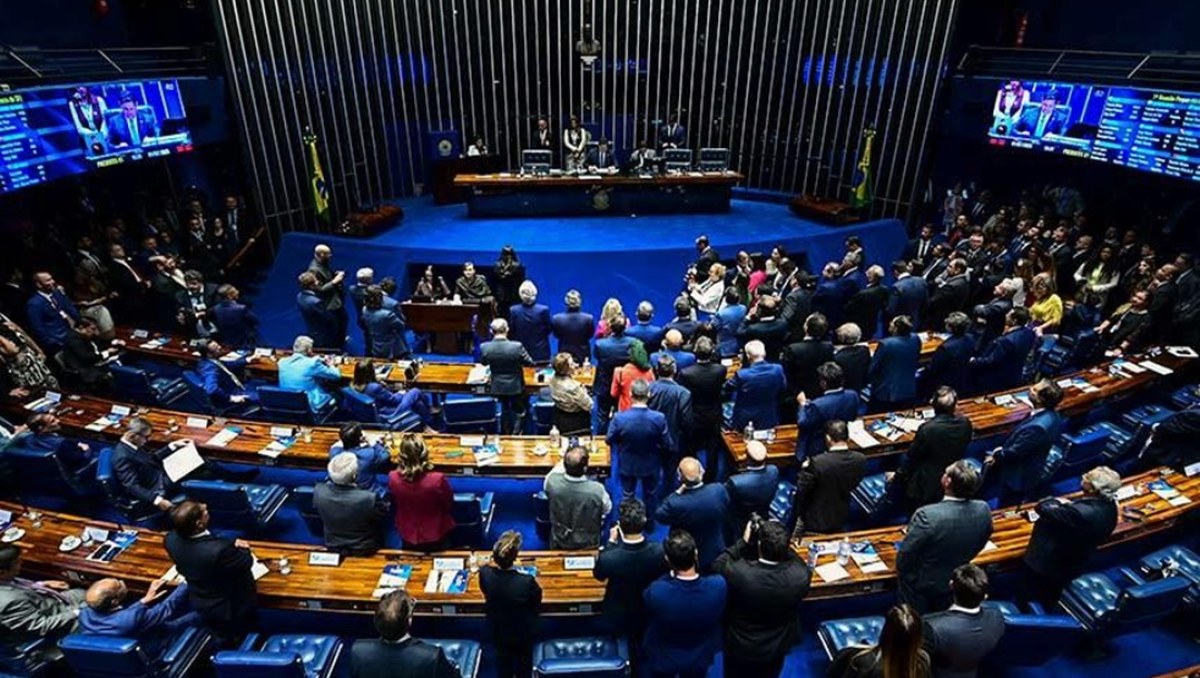
The bill is being analyzed by a special committee of the Chamber of Deputies and has deputy Arthur Oliveira Maia (União-BA) as its rapporteur. The proposal remains under discussion and may undergo changes during the legislative process.
In 2026, the debate gained new dimensions with discussions on amendments to port legislation. Agency iNFRA reported that the Ministry of Ports and Airports and ANTAQ are working on a legislative proposal for changes to Law 12.815/2013, presented as an alternative to the advancement of Bill 733.
The scenario demonstrates that the discussion about the future of the port regulatory framework is still taking shape. For companies, workers, operators, port authorities and other sector stakeholders, the next steps will be important in defining which points of the bill will remain in the final text.
While Law 12.815 marked a structural change in the Brazilian port model in 2013, Bill 733 enters a different reality: that of a sector that has already undergone more than a decade of application of the current framework and now discusses adjustments, modernization and new rules to keep pace with transformations in port activity.
```