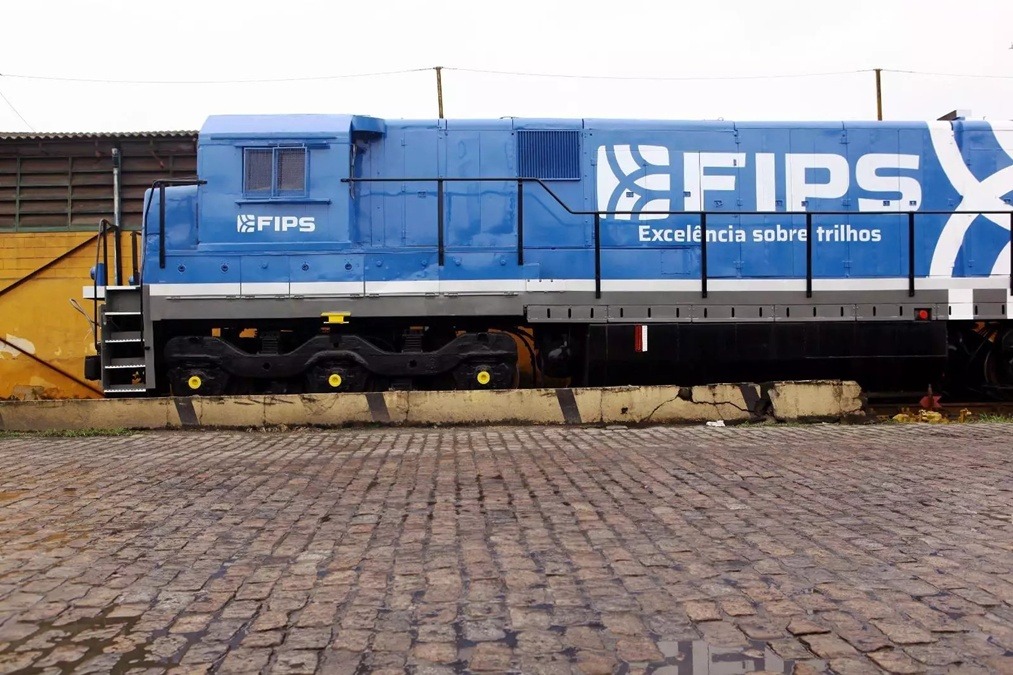
The logistics corridor linking Mato Grosso do Sul to Santos Port has reached a new milestone with the advancement of the railway infrastructure of the Sucuriú Project. Designed to handle up to 3.5 million tons per year, the operation will feature 100-car trains with a capacity of up to 9,600 tons per trip.
The railway will be operated with 26 locomotives and 721 wagons, forming a robust structure aimed at efficiency and predictability in cellulose transport. The model seeks to reduce logistics costs and increase the competitiveness of Brazilian exports in the international market.
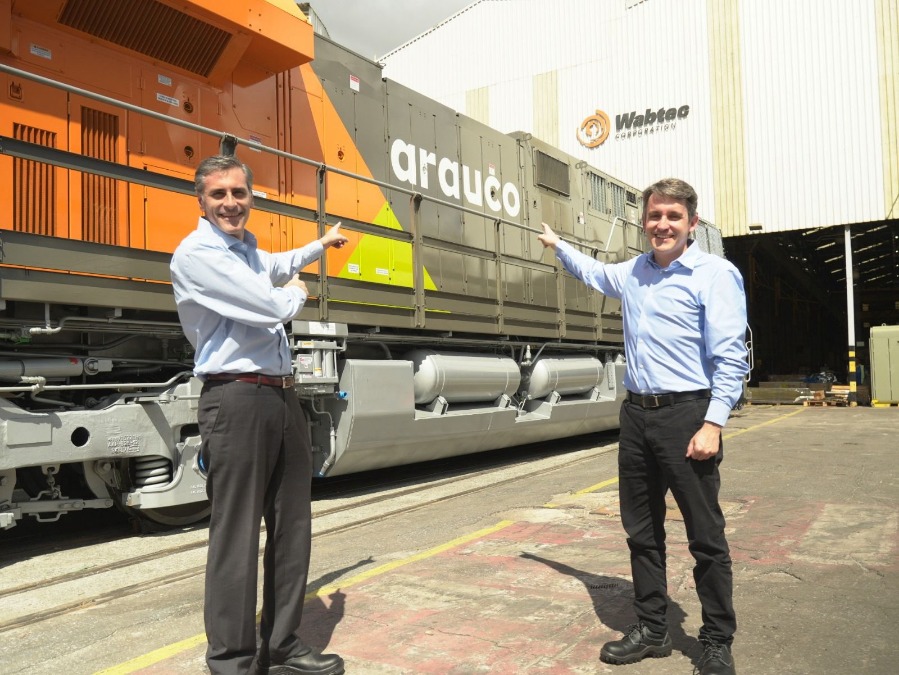
Among the technological highlights are the Evolution Series 44aci locomotives, supplied by Wabtec. Equipped with high-efficiency diesel-electric engines, these machines feature advanced assisted driving systems and operational monitoring. The resources include automated speed control, intelligent braking and safety mechanisms that track operator performance in real time.
These innovations contribute directly to reducing fuel consumption and greenhouse gas emissions, while raising the levels of safety and reliability of railway operations.


Another relevant point of the project is the direct integration between the railway and the industrial plant, a model still little-used in Brazil. This connection allows greater control over the logistics chain, reducing bottlenecks and increasing efficiency of flow to Santos Port.
The initiative reinforces a trend of modernization of national logistics infrastructure, with potential to attract new investments and establish a new operational standard in the sector.
The project's advance also highlights the joint work between technical teams and strategic partners, such as Wabtec, responsible for supplying the locomotives, consolidating another important stage in the implementation of the logistics-industrial complex.
```