The title has nothing to do with solutions or with the Inconfidência Mineira, but rather with the way cruise ship terminals will be treated by ANTAQ.
Upon reading journalistic pieces about the proposal for specific regulation of this type of port facility, I looked back in time. I recalled 2010.
CODESP was studying the implementation of a road tunnel on Avenida Antônio Prado, which aimed to eliminate the road-rail conflict existing near Rua Christiano Ottoni.
The planned length was approximately 300 m.
At that time, this roadway, at the interface with urban areas, had maintenance responsibility shared between CODESP and the Santos City Hall (PMS), with the avenue's centerline as the dividing line, which entailed negotiation between the parties.
Municipal governments had already been promoting initiatives for the revitalization of the Historic Center at least since the 1990s. The State Government of São Paulo also operated in this sphere, in partnership with the municipality or on its own initiative.
However, these initiatives did not achieve the desired result for several reasons. One of them was the progressive deterioration of the Warehouses 1 to 8 area.
In the oldest section of this area, which marked the beginning of operations of Companhia Docas de Santos (CDS) in 1892, port operations ceased in 1988. In the other section, they continued until the second half of the 1990s, but operational draft limitations only allowed the initial operation of vessels while other berths were occupied.
The "haulings" of ships loading bagged sugar, basically smaller, older vessels, still operating with cargo booms, were time-consuming, which meant that loadings lasted several days.
Because of this, PMS had already designated this area for revitalization and urban integration in its land use and occupation legislation in the 1990s. The Port of Santos Development and Zoning Plan of 2006 took municipal legislation into consideration. This moment may have been the first example of joint urban-port planning, and it did not stop there.
PMS proposed extending the tunnel to allow connection between the urban and port areas, creating the desired integration, a way to rescue the port identity of Santos residents and to boost revitalization of the Historic Center.
The idea was to transform the degraded port area into an unprecedented tourism, cultural, and sports complex in Brazil, based on guidelines formulated by the Association Internationale Villes et Ports (AIVP) and successful international examples.
This process was facilitated by the creation of the Secretariat of Port and Maritime Affairs by PMS in 2005, and the assumption of its first head to the Presidency of the Santos Port Authority Council (CAP-Santos), which was then deliberative.
The proposal interested the then President of CODESP and the Minister of the newly created Special Secretariat of Ports of the Presidency of the Republic (SEP/PR).
From an agreement signed between CODESP and PMS, with the intervention of SEP/PR in 2008, a Participatory Working Group (GTP) was established. This forum began to be coordinated by SEP/PR, whose objective was to advance the project.
Meetings became regular.
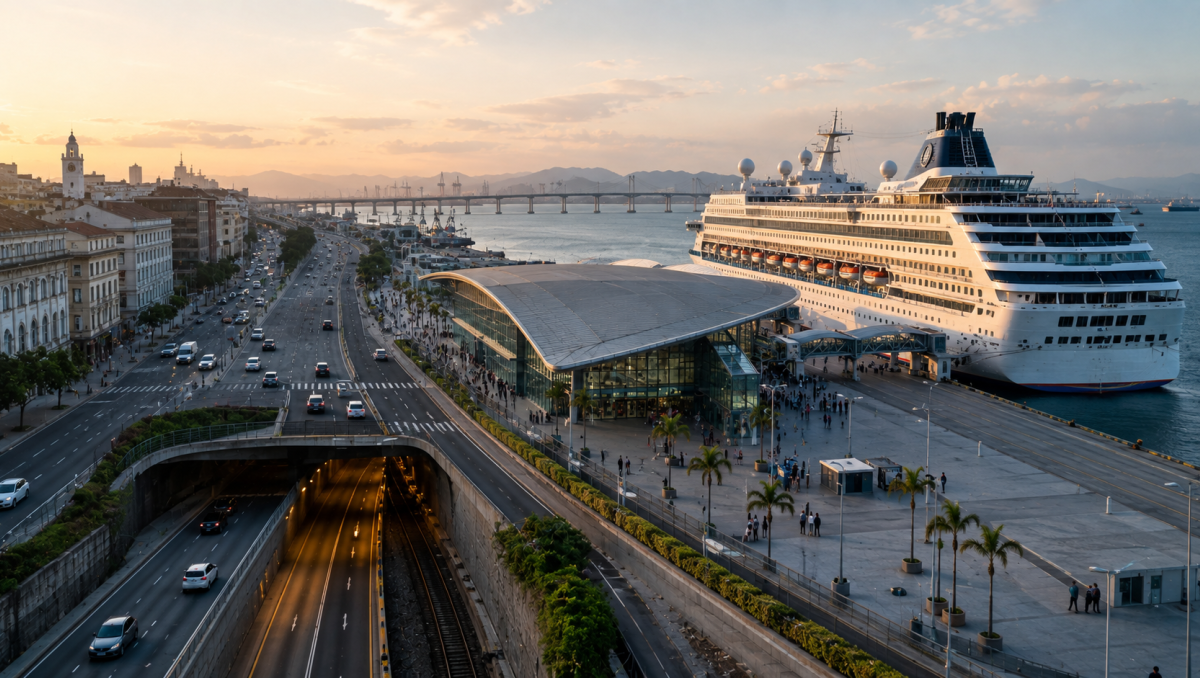
``` ```htmlThe architectural and urban planning program already included the deployment of a series of equipment, installations and facilities. Headquarters of public agencies linked to the port, a new cruise terminal, the "cherry on top"; areas dedicated to events, gastronomy, artistic productions and nautical activities, including a marina, were planned. There was also a provision for hotel facilities associated with the cruise terminal.
Codesa had already issued a Public Call to identify interested parties in developing a cruise terminal on the site. There were interested parties, but the process did not move forward.
Warehouses 7 and 8 would be made available to USP and UNIFESP.
To do so, it would be necessary to extend the "Mergulhão" — as the tunnel became known — to approximately 1,200 m, to include Avenida Xavier da Silveira, with access after the Santos Customs headquarters.
The idea was to lease the area, but it was essential to make the project attractive to private enterprise.
There were several challenges and impediments to be addressed, which included: historic site designations and buildings, potential archaeological sites and management model for the complex, among others.
The engineering solution was the least of the problems.
However, there was something fundamental to assess the market attractiveness of the undertaking: a Technical, Economic and Environmental Feasibility Study (EVTEA).
The problem was that there was no specific model for this purpose in the country, only for cargo.
It was decided at the GTP that the City would contract this study, with Codesa responsible for leasing the project through a bidding process, if deemed viable, as well as executing the "Mergulhão".
After the bidding process, the international consortium OVE/ARUP was contracted. In the meantime, Codesa contracted the development of the executive design for the "Mergulhão".
The EVTEA would be useful to ANTAQ, as it would assist in developing modeling for the agency's tourism terminals.
The idea of connecting at the urban area level to the future complex, which was called "Porto Valongo Santos", had an insurmountable problem: a railway "mergulhão" was not feasible, since, in addition to requiring a greater depth than the road tunnel, its geometric layout would impact access to port terminals along this route.
The solution would be to connect the areas via pedestrian bridges. The railway lines would be partially grade-separated, just enough for the pedestrian bridges to clear the road height.
In 2012, the consortium presented the results of the studies. The Internal Rate of Return (IRR) was below 10%, with the development of two hotels as "anchors". It was not very significant.
Discussions about whether or not to demolish some of the old warehouses were complicated. São Paulo Pilotage and the Port Authority had concerns regarding the proposed alignment for the cruise ship berthing line and marina operations. The MPE raised considerations about the design of the "Mergulhão" and surrounding area.
The "Mergulhão", as mentioned earlier, was considered a solution to eliminate the existing road-rail conflict, and became, as well, a means to enable the urban revitalization and integration project for the port area.
``` ```html

External interference was already complicating the process that was being handled very well by the GTP, but the "straw that broke the camel's back" came when soundings identified a rocky outcrop in the vicinity of the Customs building. The tunnel would need to be shortened to 900 m. Even so, the estimated cost for the work exceeded R$ 1 billion, against the approximately R$ 300 million budgeted for the 300 m length, under the Growth Acceleration Program (PAC) at that time.
The problem was that there were no more federal resources for this investment, for reasons that need not be discussed here.
Subsequently, the solution to the road-rail conflict eliminated the need for the "Dive". An agreement between APS and the State Government would make possible the new road access to the right bank of the port complex, by means of overpasses over the rail lines.
The project was discontinued and GTP meetings ceased to take place. The agreement signed in 2008, ratified and regulated later, established that it would only be terminated after completion of the revitalization and urban integration process.
The deterioration of the warehouses continued.
CONDEPASA and MPE began to demand containment works to halt this sad and troubling process.
Rumo Logística proposed the construction of walkways, linking the urban area with the quay, between Warehouses 1 and 4. The company's concern was with the expansion of operational capacity of rail operations. It did not move forward.
Ignoring the terms of the agreement, MPE and CODESP signed a Conduct Adjustment Agreement (TAC) aimed at the revitalization of the Valongo area, without the participation of PMS.
It was a period of distance in the port-city relationship, aggravated by the centralization of decision-making power of the national port system in Brasília, as a result of Law No. 12,815/2013.
The terms of this TAC proved to be impracticable, which led to its subsequent renegotiation, under theoretically feasible circumstances.
Changes in the Federal Government, from 2019 onward, altered the prospects for Santos Port.
The intention was to privatize the Santos Port Authority (APS), and under that scope, the transfer of the cruise terminal from Outeirinhos to the Valongo quay came to be considered as an investment commitment of the future concessionaire.
With this objective, the Federal Government began acquiring shares of the company, leaving only PMS as minority shareholder. As a result, from 2021 onward, the Santos City Hall gained a seat on the Board of Directors (CONSAD) of APS, and the port-city relationship gained new momentum.
A new change in the country's leadership, in 2023, discontinued the privatization process.
Good political management led APS to approach PMS so that, jointly, they could seek a solution for the revitalization of the Valongo area.
Then came the proposal for the "Valongo Park", whose first phase was inaugurated on July 5, 2024.
It was already possible to view port operations from the Customs pedestrian walkway, which replaced the previous one, which had poor accessibility and was deteriorated by time. With the inauguration of "Valongo Park", in addition to an extensive program of events, citizens and tourists gained access to an area for viewing the port scenery or simply for a stroll or rest.
``` ```htmlThe inauguration of the walkway with access via XV de Novembro Street and the revitalized Warehouse 3 have made strolls even more pleasurable.
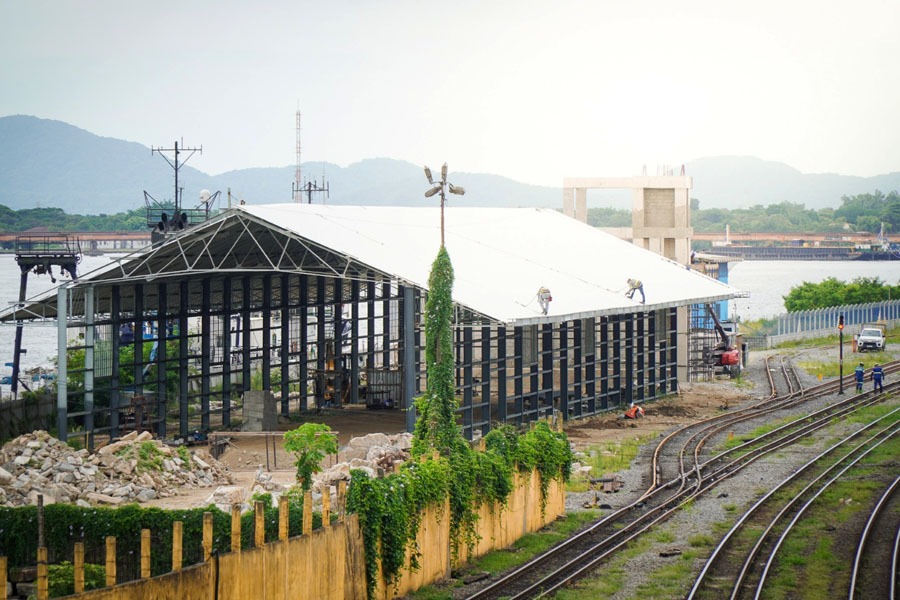
The next step will be the revitalization of Warehouse 2, as well as the Stone House existing between Warehouses 3 and 4.
And what about Warehouse 1?
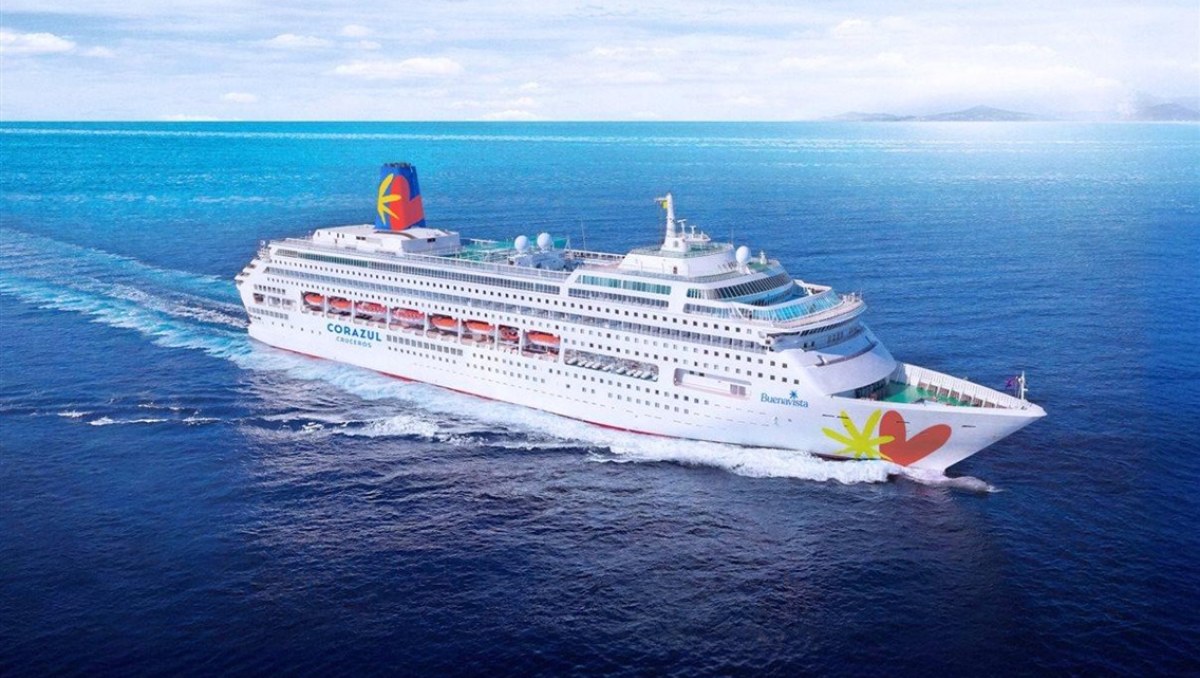
Remember the "icing on the cake": the cruise terminal?
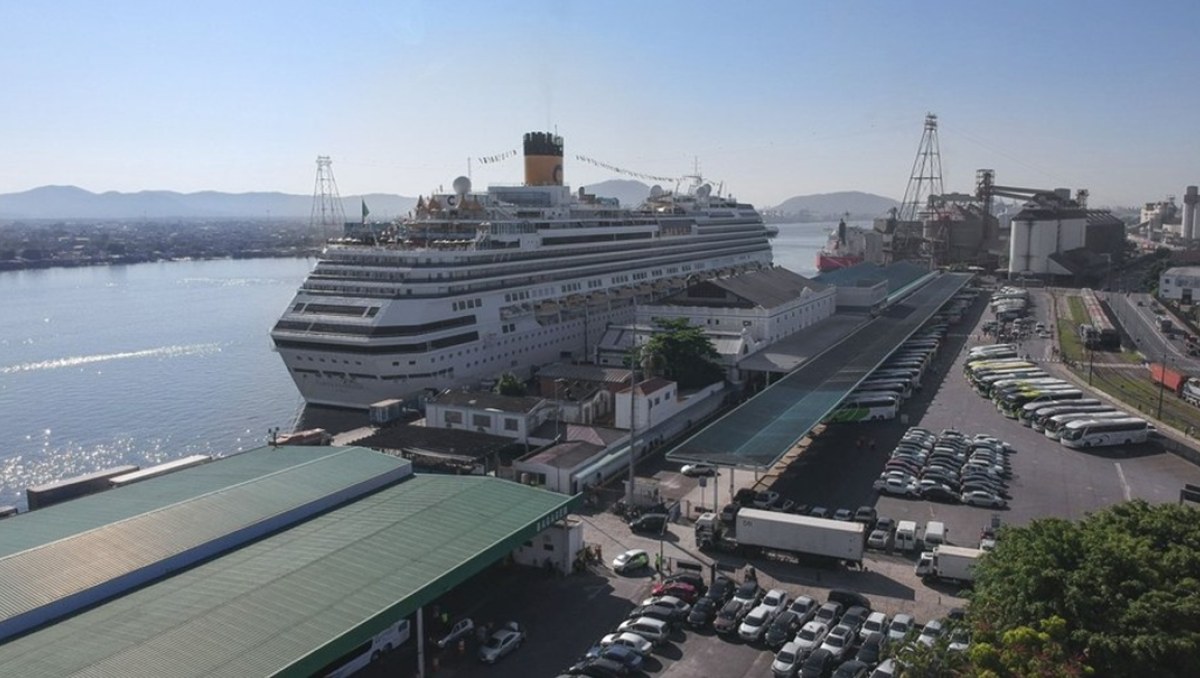
It has already been decided that, whether or not included in the "package" of the TECON Santos 10 bidding, the transfer of the cruise terminal from Outeirinhos to Valongo will be carried out. Warehouse 1 will be integrated into its infrastructure, in addition to the urban area offered by PMS to be incorporated into the Organized Port Polygon.
All of this is being made possible due to the auspicious moment in the port-city relationship, with important support from lessees of the Port of Santos.
This is a process that involved the courage to innovate to overcome obstacles, with the revitalization of Warehouse 7 as its emblem.
Innovating while considering the existing legal and regulatory framework!
But what about the EVTEA for tourist terminals?
The expectations raised by the GTP negotiations from the "Mergulhão" era will finally be realized by ANTAQ, which announced in July 2026 that it will create a regulation to differentiate passenger and cargo terminals within the scope of its Regulatory Agenda 2025-2028.
The demand, as seen, was long-standing, and the efforts of the International Association of Cruise Terminals (ATERC) with ANTAQ were decisive in this definition, which is considered fundamental for the growth of the passenger tourism sector. To that end, it considers that the regulation to be created should promote improvements in bureaucratic and operational matters — berthing infrastructure, sustainability and supply with lower environmental impact fuels included — stimulus for the opening of new routes and more attractive conditions for the sector.
Obviously, new routes depend on what cities have to offer tourists.
Solutio quae sera tamem! That is, the solution came, despite the time elapsed, and it is most welcome!
In this sense, Santos and the region, for what they have and for everything that has been done within the scope of the port-city relationship, will always be references, par excellence!
```