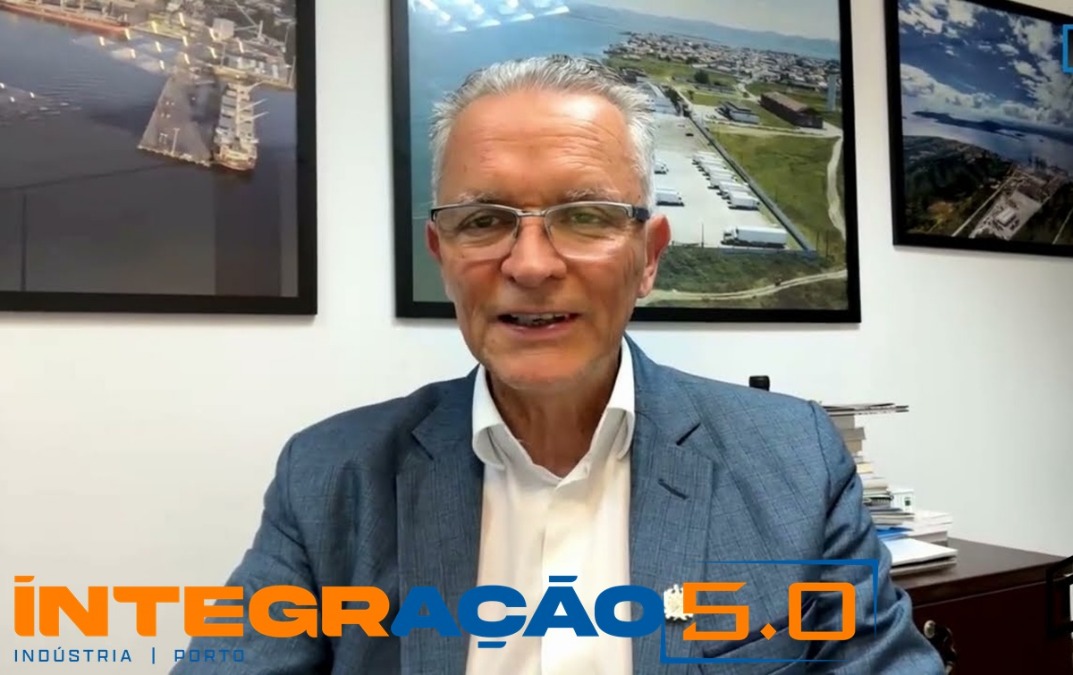
Despite growth in Santa Catarina's port sector, the advance of regional logistics faces a historic obstacle: the lack of efficient railway infrastructure. During the Integration 5.0 program, Santa Catarina's secretary of Ports and Development, Ivan Amaral, highlighted that deficiencies in the rail network are one of the main barriers to the state's economic growth.
According to the secretary, much of the Southern region's rail network has been abandoned over the years. In Santa Catarina, only about 200 kilometers of track currently operate effectively, primarily on the stretch connecting Mafra to the Port of São Francisco do Sul.
Click here to follow Jornal Portuário on WhatsApp now!
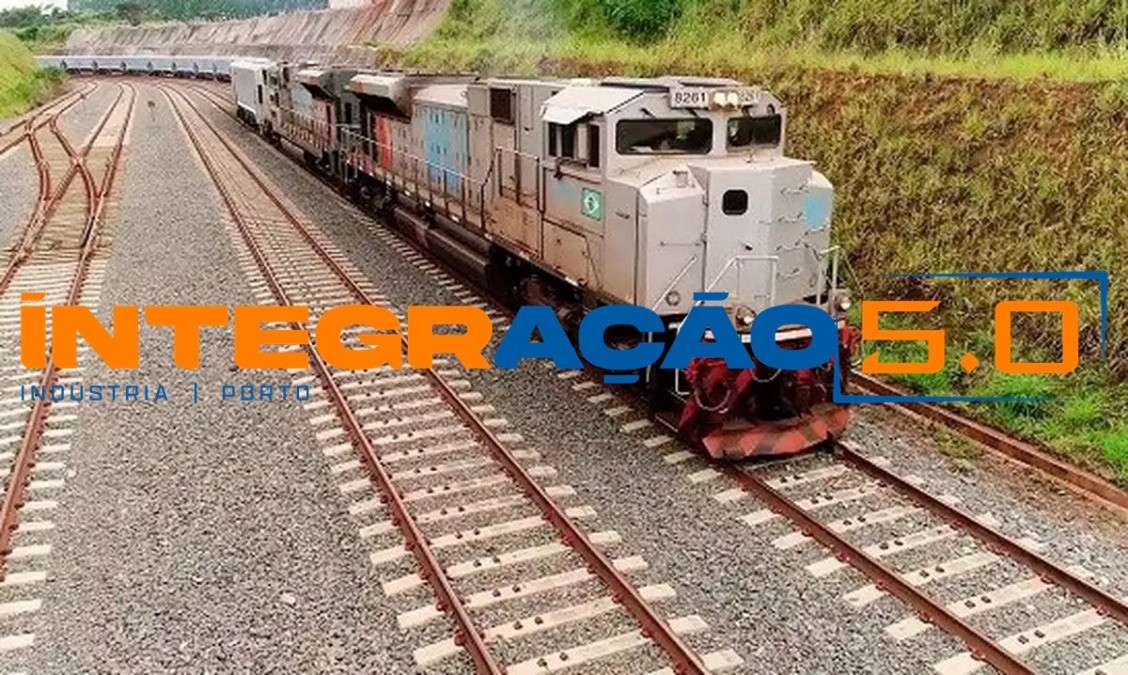
Even this stretch, however, presents operational limitations. The average speed of train circulation reaches only 12 kilometers per hour, which compromises logistical efficiency and reduces the competitiveness of rail transport.
The problem is aggravated by the increase in agricultural and industrial production in western Santa Catarina, considered one of Brazil's main powers in animal protein production. The transportation of grains and inputs used in swine and poultry farming depends almost exclusively on the road transport mode, which raises costs and increases road wear.
Currently, part of the corn used by Santa Catarina's agribusiness travels up to one thousand kilometers by truck to reach the state, making transportation expensive and less competitive.


Facing this scenario, the Santa Catarina government is working on major railway projects, including a new connection between Chapecó and Correia Pinto, with a link to the so-called Southern Railway Trunk. The goal is to integrate the western part of the state with the main Santa Catarina ports, creating a more efficient logistical alternative for cargo flow.
Another strategic project foresees a railway connection between the Navegantes region and the Port of São Francisco do Sul, expanding logistical integration between the state's port terminals.
These projects are considered essential to ensure the competitiveness of Santa Catarina's logistical system in the coming decades. The expectation is that the railway will reduce transportation costs, decrease pressure on roads, and increase the efficiency of cargo flow.
Specialists point out that railway investments have high initial costs, but offer long-term returns, especially in regions with large cargo volumes, as is the case in Southern Brazil.
For the state government, the revival of railways is not merely a logistical alternative, but a strategic necessity to sustain the state's economic growth.
```